 Malawi Freedom Network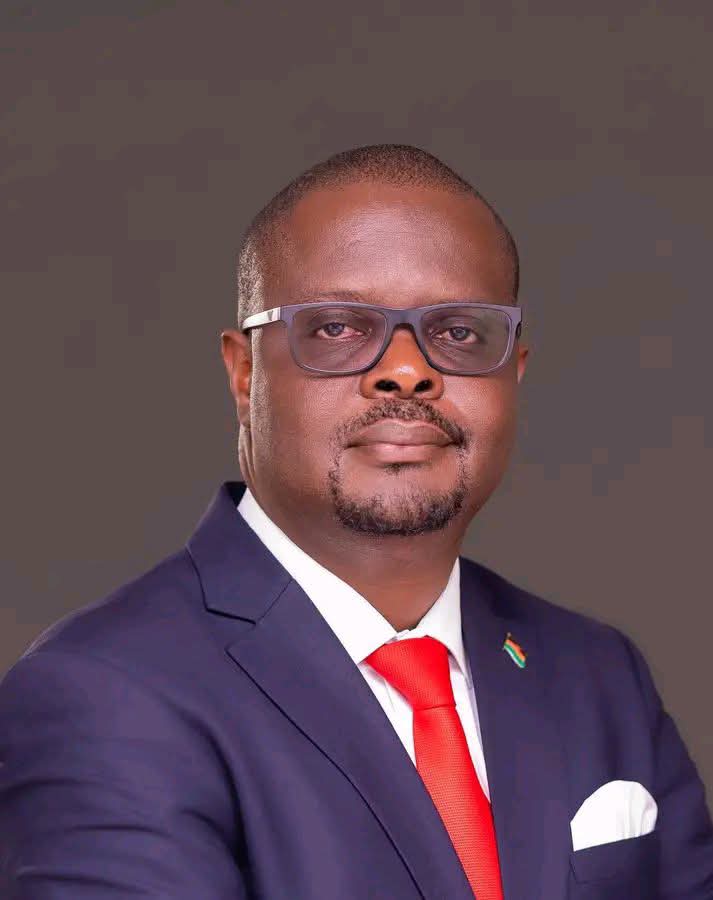
By Our Reporter
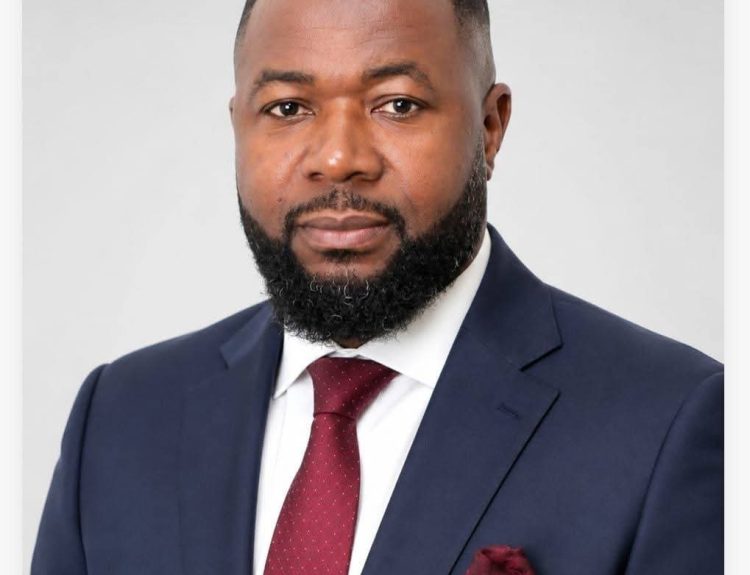
Politician Vitumbiko Mumba has taken a swipe at fellow politicians who travelled to Morocco to cheer on Malawi’s historic Scorchers campaign, accusing some of them of rushing to claim credit for a success they did little to create.
In a strongly worded message posted on Facebook, Mumba suggested that the sudden political pilgrimage to Morocco was unnecessary and even went as far as saying the presence of some politicians brought “misfortune” to the team.
Mumba’s remarks come after the Scorchers completed a remarkable campaign at the 2026 Women’s Africa Cup of Nations (WAFCON), reaching the final and securing qualification for the FIFA Women’s World Cup.
The achievement has sparked nationwide celebrations, with the Scorchers earning widespread praise for putting Malawi firmly on the international football map.
But amid the celebrations, Mumba has questioned the motives of some politicians who travelled to Morocco during the tournament.
According to Mumba, several politicians flocked to Morocco not because they had played a meaningful role in supporting the national women’s team, but because they wanted to associate themselves with the historic achievement and claim political mileage from it.
He argued that some of those who travelled had not previously done enough to support the players or contribute to the development of women’s football in Malawi.
Mumba’s criticism touches on a broader debate over political involvement in sport, particularly when national teams achieve major international success.
For him, the success of the Scorchers should primarily be credited to the players, technical team, football administrators, supporters and institutions that consistently invested in the team rather than individuals who arrived after the historic journey was already well underway.
The politician also appeared to question the sudden enthusiasm among some political figures, suggesting that genuine support for women’s football should be demonstrated long before a team reaches the biggest stage.
Despite his criticism, Mumba congratulated the Scorchers for their outstanding performance at WAFCON and for securing a place at the FIFA Women’s World Cup.
The qualification represents one of the biggest milestones in the history of Malawian football and has elevated the profile of the women’s game both locally and internationally.
Mumba also singled out National Bank of Malawi (NB) for praise, thanking the financial institution for providing substantial support that he said played an important role in the team’s success.
His comments effectively shifted the spotlight from political celebrations to the question of who actually supported the Scorchers when resources, preparation and investment were needed.
The remarks are likely to fuel further discussion over the role politicians should play in national sporting achievements—and whether celebrating a team’s success should be separated from attempts to claim ownership of it.
For the Scorchers, however, the focus remains on what they have achieved on the pitch: a historic WAFCON final appearance, qualification for the FIFA Women’s World Cup and a campaign that has united Malawians across political and social divides.
Mumba’s message has now added another dimension to the celebrations, challenging political leaders to do more than simply show up when the cameras are rolling.
The underlying question is blunt: who stood with the Scorchers when they needed support, and who only arrived after history had already been made?