
 Malawi Freedom Network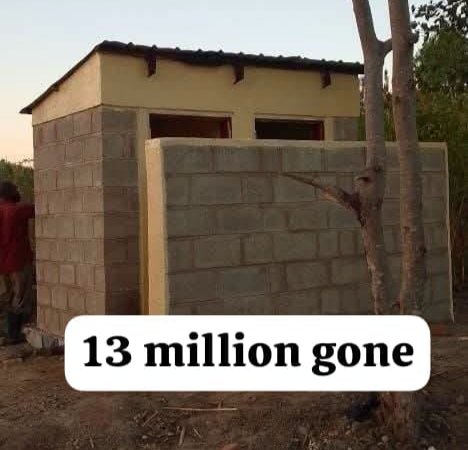
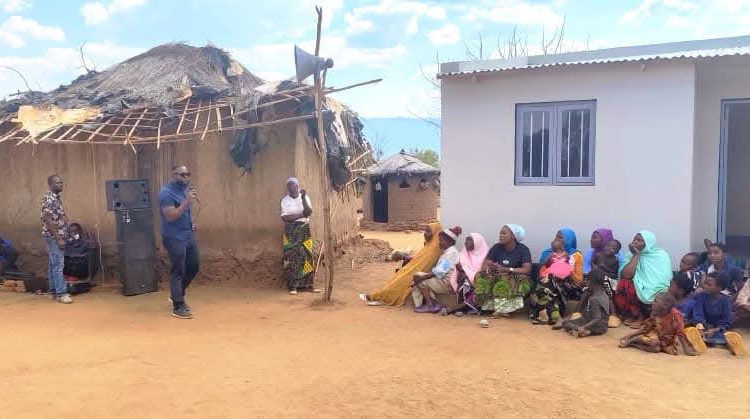
Residents from the area of Traditional Authority Ngokwe in Machinga have demanded answers from the District Commissioner over the reported K13 million cost of constructing a toilet block at Mkwakwawira Primary School.
The residents have formally written the District Commissioner, questioning whether the structure represents value for money and demanding an explanation for the amount reportedly spent on the project.
According to the residents, the cost of the toilet has raised serious concerns within the community, particularly because they believe the structure could have been constructed at a significantly lower cost.
In their letter, the residents argue that, based on their own estimates, the project could have cost around K3 million, raising questions over how the reported K13 million figure was arrived at.
If the figures cited by the residents are accurate, the difference would amount to approximately K10 million, a gap they believe requires a clear and transparent explanation from the authorities.
Residents demand transparency
The concerned residents have given the District Commissioner 10 days to respond to their concerns and explain the expenditure associated with the construction project.
Their demand comes amid growing calls for greater accountability in the use of public resources, particularly on community development projects where taxpayers expect authorities to demonstrate value for money.
The residents want the authorities to explain the basis for the K13 million expenditure, including the project’s budget, procurement process, materials used and other costs that may have contributed to the final figure.
They have questioned whether the quality, size and specifications of the toilet correspond with the amount reportedly spent on it.
K10 million difference raises questions
At the heart of the controversy is the significant difference between the reported project cost and the residents’ own estimate.
The community’s estimate of about K3 million compared with the reported K13 million expenditure represents a difference of around K10 million.
However, the residents’ estimate alone does not establish that public funds were misused. The actual cost of a construction project can include several components beyond the visible structure, including labour, transportation, site preparation, professional services, materials, taxes and other associated expenses.
This is why the residents are calling for the District Commissioner to provide documentation and a detailed explanation rather than leaving the matter to speculation.
Calls for accountability
The controversy has put the spotlight on the importance of transparency in public construction projects.
For communities hosting government-funded infrastructure, residents often expect to see tangible benefits from every kwacha allocated to development. Where the reported cost of a project appears significantly higher than what the community believes it should cost, questions about procurement and financial management are likely to arise.
The residents’ 10-day deadline now puts pressure on the district authorities to respond to the concerns and clarify how the K13 million figure was determined.
A detailed response from the authorities could help establish whether the expenditure followed approved procedures and whether the project delivered value for public money.
The matter also highlights the need for authorities to communicate openly with communities about publicly funded projects, particularly where costs are likely to attract public scrutiny.
As the 10-day period runs, attention will now turn to the Machinga District authorities for their response and whether they will provide a detailed breakdown of the K13 million expenditure.
The allegations and estimates raised in the residents’ letter have not, by themselves, established financial wrongdoing. The District Commissioner’s response and supporting project records will be important in determining the facts surrounding the reported cost.