 Malawi Freedom Network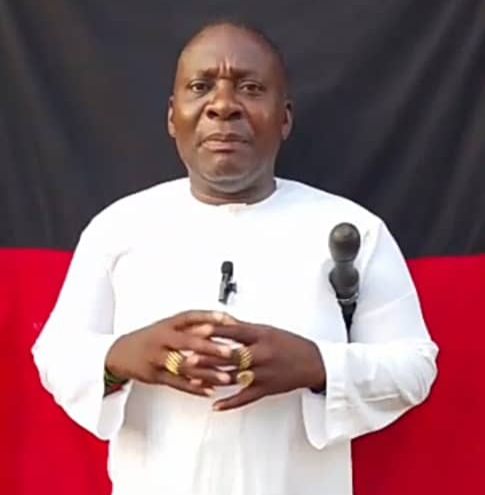
By Vincent Gunde
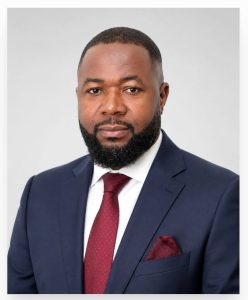
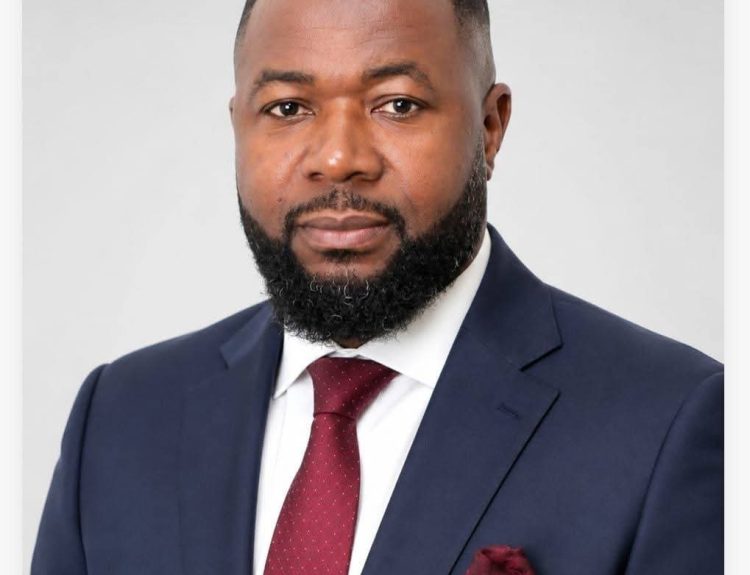
A political storm is brewing around the relationship between the Democratic Progressive Party (DPP) and some of the activists, journalists and grassroots voices who campaigned for President Arthur Peter Mutharika’s return to power, with Malawi Congress Party (MCP) supporter Rodgers Kamphangala claiming that some of the party’s former “foot soldiers” now feel forgotten.
Kamphangala, a political supporter from Mvera in Dowa, says individuals who spent years defending Mutharika and promoting the DPP while the party was in opposition are now struggling to survive and questioning whether their sacrifices have been recognised.
His claims come as the DPP marks a year since its return to government following the September 2025 presidential election.
According to Kamphangala, the frustration among some supporters is no longer simply about political appointments or material rewards. He says it is about recognition, appreciation and the feeling that people who stood with the party when it was politically vulnerable have been left behind now that power has been regained.
‘They sacrificed when the DPP was in opposition’
Kamphangala alleges that some activists and media personalities used their own resources to defend Mutharika, promote the DPP and challenge the administration that was in power before the 2025 election.
He says some relied on their personal finances to produce political content, publish stories, communicate with supporters and maintain their online presence.
But, according to Kamphangala, the situation has changed dramatically since the DPP returned to government.
He claims some of the same people are now struggling even to purchase mobile-data bundles—an expense that became essential to the political communication work they had previously undertaken.
Kamphangala says this has left some former campaigners asking a difficult question: What happens to the people who fight for political change after the politicians they support finally reach power?
‘Used as ladders’
In some of his strongest remarks, Kamphangala claims that sections of the DPP’s former grassroots machinery believe they were used as “ladders” to help political leaders regain power.
He says some supporters would not have made the sacrifices they made if they had known that their contribution would allegedly be overlooked after the election.
The accusation is serious, but it remains Kamphangala’s characterization of the situation. Malawi Freedom Network has not independently established that the DPP deliberately used or abandoned the individuals he refers to.
Kamphangala’s argument is nevertheless striking because it focuses attention on a recurring tension in political movements: the gap between the expectations created during opposition politics and the realities that emerge once a party forms government.
State House recognition becomes a flashpoint
Kamphangala says he spoke to a journalist whose identity he has withheld and who allegedly expressed disappointment that supporters who worked for the DPP during its years in opposition had not been formally recognised by the party leadership.
He claims the journalist said that, since the DPP entered government, there had been no invitation to State House specifically to thank or recognise those who helped campaign for political change.
That allegation has not been independently verified.
But it highlights an issue that goes beyond a single invitation.
For political activists, recognition can carry symbolic importance. A public acknowledgement from party leadership can signal that the sacrifices made during difficult political periods have not been forgotten.
Kamphangala believes that some supporters are waiting for exactly that recognition.
Names placed at the centre of the debate
Kamphangala has mentioned several individuals whom he believes contributed to the DPP’s political campaign, including Bakili Muluzi TV, Bon Kalindo, Lytone Mangochi, Pastor Moses Shumba, Bishop W. Kachenje, Suleman Chitera and Jones Gadama, among others.
He argues that these individuals and other political voices helped maintain pressure on the MCP administration and promoted Mutharika’s return.
He therefore questions why, according to his claims, some of those who were highly visible during the opposition period are now struggling outside government.
The mention of individual names does not, however, establish that those individuals personally share Kamphangala’s views. Their positions would need to be confirmed directly.
The ‘DPP media’ controversy
Another major part of Kamphangala’s criticism concerns what he describes as the emergence of people claiming the DPP media space after the party returned to government.
He alleges that some media personnel who were not prominent in defending the DPP during the opposition years have now emerged to associate themselves with the governing party.
At the same time, he says people whom he considers to have openly supported Mutharika during the difficult years remain outside government and are struggling financially.
The allegation creates a sharp contrast between those who fought before victory and those who appeared after victory.
That contrast, rather than government appointments alone, appears to be at the heart of Kamphangala’s criticism.
Political loyalty does not automatically mean a government job
There is, however, an important distinction between political recognition and entitlement to public employment.
Supporting a political party does not automatically create a legal right to a government position, appointment to a parastatal or diplomatic posting.
Government appointments involve their own legal, professional and institutional considerations.
But Kamphangala’s complaint is framed differently.
He is essentially arguing that political supporters should not have to receive government jobs to feel that their contribution mattered.
Recognition, dialogue and continued engagement with grassroots supporters can exist separately from appointments.
The bigger problem: expectations after victory
Political campaigns create powerful relationships.
During opposition, politicians need activists. They need people who can communicate their message, defend them publicly, organise communities and maintain political momentum.
Once the party wins, however, the nature of the relationship changes.
Government must operate through institutions, laws and public-service structures. The informal campaign machinery that helped win an election cannot simply become the machinery of government.
That transition can produce disappointment.
Supporters may expect appreciation, while government leaders may see the responsibilities of governing differently.
This is the tension Kamphangala has now brought into the open.
A warning that reaches beyond one journalist
Kamphangala says the frustration is not confined to one person.
He claims several activists and journalists are disappointed and that some believe they have been forgotten after spending years defending the DPP.
Whether this represents a broad sentiment within the DPP grassroots structure is not independently established.
The DPP’s official leadership structure remains centred around Mutharika as party leader, with Peter Mukhito serving as Secretary General and Shadric Namalomba as National Publicity Secretary, according to the party’s official website.
That formal structure is separate from the informal network of activists and media voices who may have supported the party during the opposition years.
The question of loyalty
Kamphangala’s message ultimately raises a difficult question about political loyalty.
Is loyalty measured by what a supporter receives after an election—or by whether the supporter remains committed when there is nothing to gain?
His claims suggest that some former supporters are beginning to reassess their relationship with the DPP because they feel their sacrifices have not been adequately acknowledged.
But the claims should not be interpreted as proof that DPP supporters generally have abandoned Mutharika.
There is no independent evidence in the material reviewed by Malawi Freedom Network establishing that the DPP’s wider grassroots membership has turned against the President.
What exists is a pointed political allegation from Kamphangala, supported by his account of conversations with people he says are frustrated.
Looking ahead to 2030
Kamphangala believes the issue could have consequences well beyond the DPP’s first year in office.
He says the people who supported the party during its years in opposition will still be watching as Malawi moves towards the next election cycle.
His warning is straightforward: supporters who feel ignored today may continue carrying their grievances into the future.
At the same time, whether such grievances influence future political behaviour remains a matter for voters and individual supporters to decide.
The DPP faces a simple question
Kamphangala’s intervention leaves the DPP with a series of questions.
How does the party recognise activists who supported it during its years in opposition?
How does it maintain communication with the grassroots political network that helped build its electoral campaign?
And perhaps most importantly, how does it prevent supporters from feeling that they were important only until election day?
These questions do not require every activist to be appointed to government.
They require a conversation.
They require acknowledgement.
And they require political leadership to understand that campaigns may end on election day, but the relationships built during those campaigns do not automatically disappear.
‘Do not lose heart’
Despite his criticism, Kamphangala has urged the supporters he says are disappointed not to lose hope.
He says they should continue believing that their efforts will eventually be recognised and has encouraged them to pray for another DPP victory.
His remarks therefore carry an unusual contradiction: he is criticising the party’s treatment of its alleged foot soldiers while simultaneously speaking about the possibility of another DPP victory.
For now, however, the central issue remains unresolved.
Are the people who helped carry the DPP through its years in opposition still feeling part of the political project they helped build?
Kamphangala says many are not.
The DPP’s response—and the voices of the activists and journalists themselves—will determine how much weight should be attached to his claims.
What is clear is that the politics of victory has opened a new chapter.
The battle that brought the DPP back to power may be over, but the battle over recognition, loyalty and expectations has only begun.