 Suleman Chitera
By Suleman Chitera
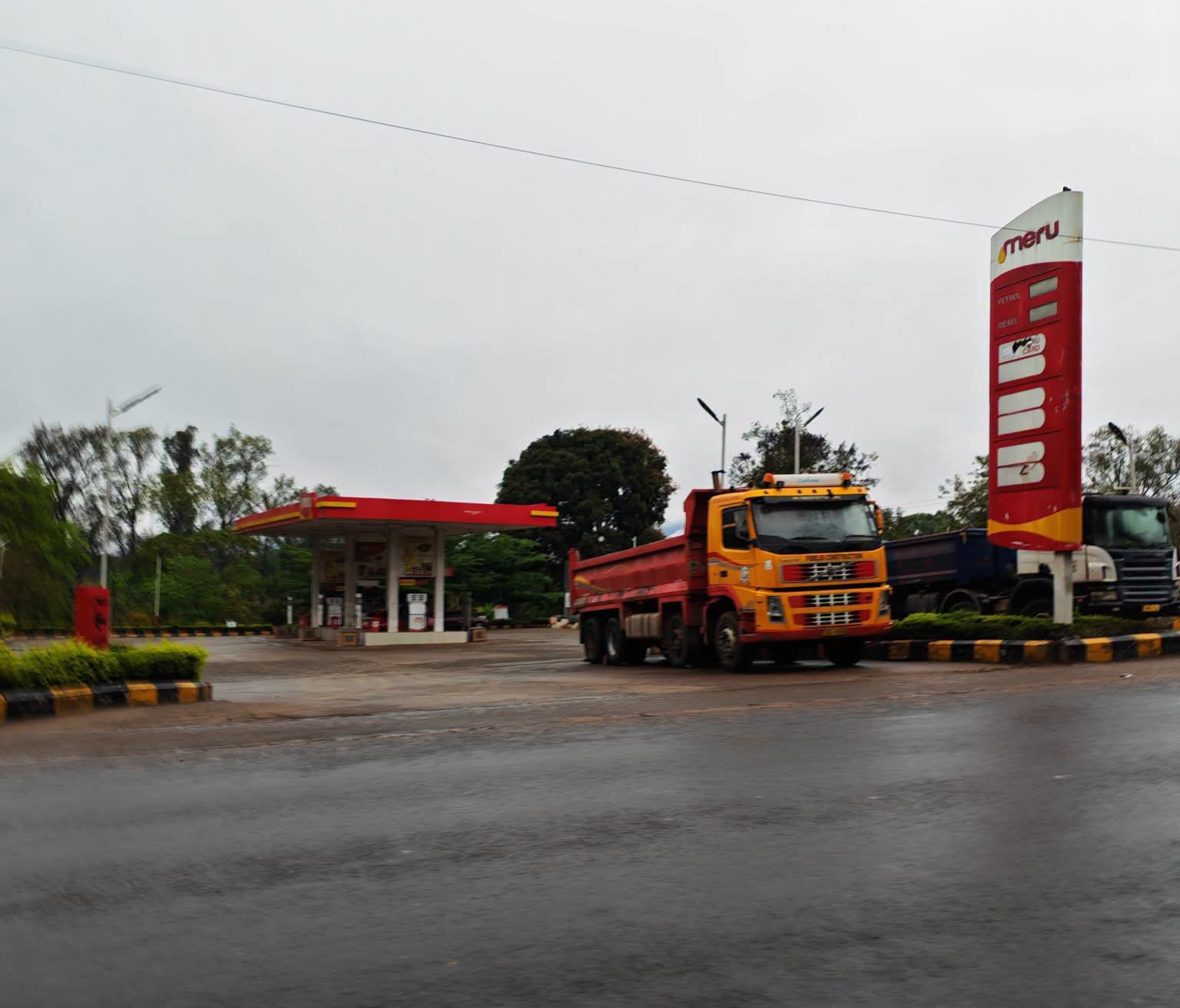
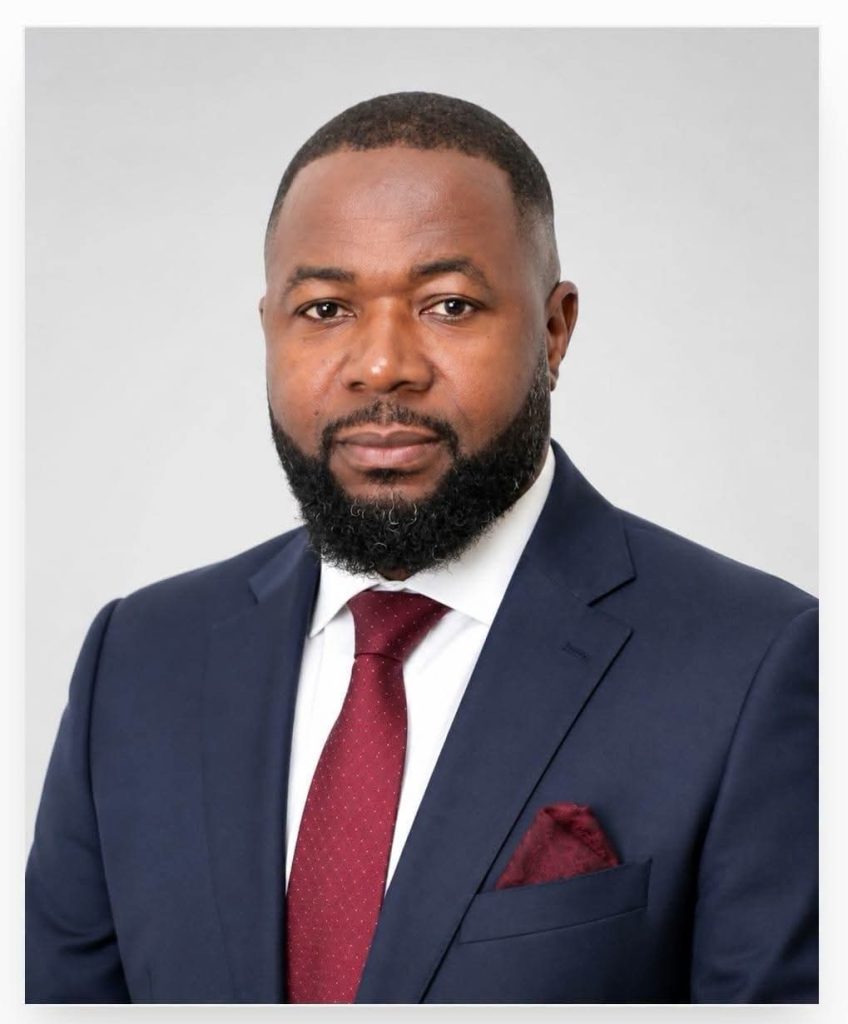
Rhodrick Junaid Kalumpha has expressed concern over Malawi’s persistent fuel crisis, warning that the country risks normalising a situation that continues to damage livelihoods, businesses and the wider economy.
In a statement reflecting on a recent meeting with his business partners from the Arab world, Kalumpha said the fuel crisis came up during their discussions, with one of the partners questioning why Malawi had failed to resolve the persistent fuel shortages.
“I was asked, ‘How come your country, Malawi, has failed to resolve this fuel crisis?’ My response was simple: ‘I am not part of the solution, so you are asking the wrong man. You are asking the wrong person,’” he said.
Kalumpha said one of the business partners suggested that Malawi’s fuel supply situation could be restored and stabilised within six months.
He agreed, saying he believed the crisis was manageable and that he understood the major obstacles preventing a lasting solution.
“I know. And I believe so. It is easily salvageable. I was there a month ago, and I know the bottlenecks,” he explained.
However, when asked why the country was not moving towards a solution, Kalumpha pointed to what he described as political and institutional obstacles, arguing that individuals willing to offer assistance or practical solutions could face resistance.
“In Malawi, you just don’t come and start offering solutions or helping out. They will accuse you of stealing their thunder and their shine. Soon, the political goons will be on to you,” he said.
His remarks highlight concerns about whether political interests, institutional attitudes and a lack of cooperation are standing in the way of addressing a crisis that has continued to affect ordinary Malawians.
Kalumpha said his greatest worry was that the prolonged fuel shortages were gradually becoming accepted as part of everyday life.
He warned that the country appeared to be losing its sense of urgency, despite the devastating consequences of the crisis.
“Unfortunately, people are dying because they cannot find transport to go to hospitals. Businesses are losing money, the economy is not growing, and there are so many hidden costs. So many,” he lamented.
Namalomba Warns Malawians Over Rising Cybersecurity Threats
The fuel crisis has far-reaching consequences beyond motorists spending hours searching for fuel. It affects public transport, the movement of goods, agricultural production, healthcare delivery, small businesses and the cost of living.
For ordinary citizens, the consequences include higher transport fares, lost working hours, increased prices of essential commodities and difficulties accessing critical services.
Kalumpha’s central concern is that Malawi should not allow a preventable economic and humanitarian challenge to become a permanent feature of national life.
Rhodrick Junaid Kalumpha Congratulates Domasi Police After Trophy Win
His remarks also raise an important question: if the fuel crisis can realistically be addressed within a reasonable period, what is preventing those responsible from bringing together the expertise, resources and political will needed to fix it?
Malawi needs solutions, not excuses. The country cannot afford to normalise a crisis that continues to take a toll on lives, businesses and economic progress.