 Malawi Freedom Network
By Suleman Chitera
Public Demands Answers Over 15 Percent Payment to Law Firm in K30 Billion ESCOM Debt Recovery
The reported payment of K2.6 billion by the Electricity Generation Company (Malawi) Limited (EGENCO) to a law firm for recovering approximately K30 billion owed by the Electricity Supply Corporation of Malawi (ESCOM) has raised serious questions about public financial management, accountability and government oversight of state-owned enterprises.
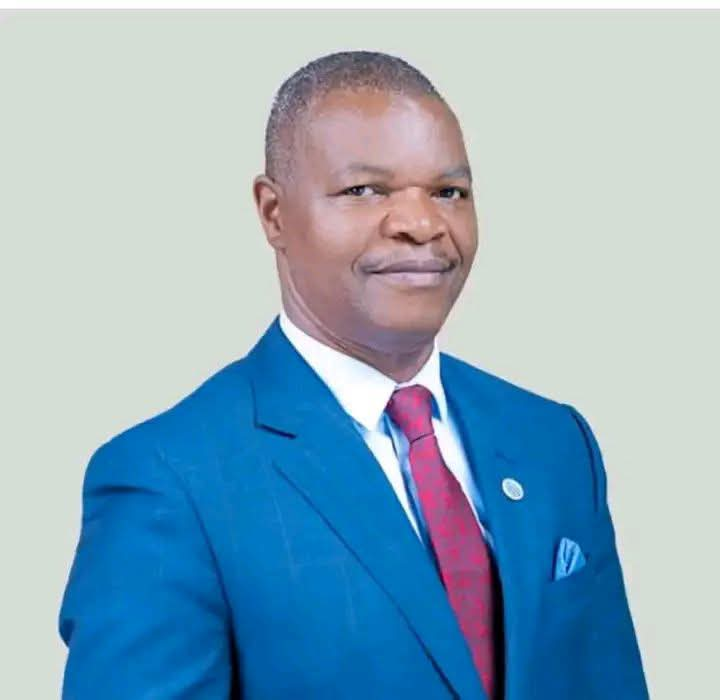
EGENCO Chief Executive Officer William Liabunya has confirmed that the company paid the money to M&M Global Law Consultants after engaging the firm to pursue the outstanding debt from ESCOM.
According to the explanation provided, the agreement required the law firm to receive 15 percent of the amount successfully recovered.
While the recovery of outstanding debts is important for the financial sustainability of public institutions, the reported K2.6 billion legal fee raises legitimate questions that deserve urgent clarification from government.
Why Should Recovering Public Money Cost K2.6 Billion?
At the centre of the controversy is the question of whether it was necessary for one state-owned company to spend billions of kwacha on legal services to recover money owed by another government-controlled institution.
Both EGENCO and ESCOM operate within Malawi’s public electricity sector. Their financial relationship directly affects the country’s energy industry, service delivery and the broader economy.
The public therefore deserves to understand why the debt recovery process required such a substantial financial commitment.
Could the matter have been resolved through government intervention, administrative negotiations or an established debt-settlement mechanism between the two institutions?
Was the 15 percent arrangement subjected to an independent assessment to establish whether it represented reasonable value for money?
And were alternative legal service providers considered before M&M Global Law Consultants was engaged?
These are important questions that cannot simply be dismissed.
Where Was Government Oversight?
The development also raises questions about the role of the Ministry responsible for energy, the Ministry of Finance and other authorities responsible for overseeing state-owned enterprises.
How did government allow a situation in which one public institution had to pay billions of kwacha to recover money from another public institution?
Were the relevant ministers and government oversight bodies informed about the arrangement before it was approved?
Did the EGENCO board approve the 15 percent commission, and was the agreement subjected to the necessary procurement, legal and financial compliance procedures?
Government must also clarify whether the payment was independently reviewed to establish that the public received value for money.
A Call for Transparency and Accountability
Malawians are entitled to demand transparency whenever billions of kwacha belonging to public institutions are involved.
At a time when the country faces serious economic challenges, pressure on public finances and persistent difficulties in the electricity sector, every major expenditure by a state-owned enterprise must be properly justified.
The issue is not whether lawyers should be paid for professional services. Rather, it is whether the amount paid, the terms of the agreement and the decision-making process were reasonable, transparent and consistent with public financial management requirements.
The government should therefore provide a detailed public explanation addressing the following:
- Who authorised EGENCO to enter into the 15 percent debt recovery agreement?
- Was the contract approved by EGENCO’s board and the relevant government authorities?
- What procurement process was followed in selecting M&M Global Law Consultants?
- Was an independent assessment conducted to determine whether the K2.6 billion fee represented value for money?
- Why was government unable to facilitate an administrative settlement between two state-owned electricity companies?
- Has the Ministry of Finance or any other oversight institution audited or reviewed the transaction?
- What measures are being taken to prevent similar costly arrangements involving public institutions?
Government Must Account to the Public
The government cannot remain silent when transactions involving billions of kwacha in public resources raise questions about transparency and institutional accountability.
EGENCO’s explanation of the payment is important, but it does not answer all the concerns surrounding the arrangement.
The responsible ministers, EGENCO board and relevant oversight institutions must come forward with concrete explanations supported by documents and verifiable information.
Malawians deserve to know whether the K2.6 billion payment was justified, whether proper procedures were followed and whether the country received value for money.
Public institutions exist to serve citizens, not to operate beyond public scrutiny.
Accountability must not be optional whenever public money is involved.