

 Suleman Chitera
By Suleman Chitera, MFN Reporter
October 26, 2026 | 5:18 PM
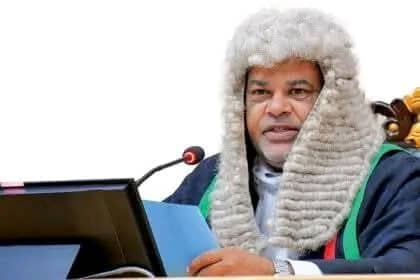
The Islamic Development Forum (IDF) has thrown its weight behind Speaker of Parliament Right Honourable Sameer Gafar Suleman’s anti-corruption stance, describing calls for investigations into government departments as an important step towards strengthening accountability, transparency and the responsible management of public resources in Malawi.
In a statement dated October 24, 2026, and signed by its Publicity Secretary, Sheikh Imran Katona, the organisation’s registered trustees said corruption continues to undermine national development, erode public confidence in public institutions and contribute to the poverty affecting many Malawians.
The forum said Suleman’s proposal to establish ad hoc parliamentary committees to investigate government departments was timely, arguing that stronger oversight mechanisms are necessary to ensure public institutions operate transparently and in the interests of citizens.
IDF’s support comes amid growing public debate over the role of Parliament in holding government institutions accountable and the importance of ensuring that allegations of corruption are properly investigated.
IDF Says Corruption Undermines National Development
According to the forum, corruption remains a major obstacle to Malawi’s development because it threatens the effective use of public resources intended to improve people’s lives.
Public funds are expected to support essential services and development programmes, including healthcare, education, infrastructure and other projects designed to improve the welfare of citizens.
However, when corruption occurs, resources intended for these priorities risk being diverted, potentially leaving communities without the services and development they need.
IDF said tackling corruption should therefore be treated as a national responsibility requiring commitment from political leaders, public institutions, civil society organisations and ordinary citizens.
The organisation argued that efforts to strengthen accountability are essential to restoring public confidence and ensuring that those entrusted with public responsibilities manage national resources honestly.
By supporting Suleman’s position, the forum has added its voice to calls for stronger oversight of government departments and greater transparency in public administration.
IDF Rejects Claims That Anti-Corruption Efforts Mix Politics With Islam
The organisation also addressed suggestions that supporting the fight against corruption amounts to mixing religion with politics.
IDF dismissed this argument, maintaining that Islamic teachings emphasise justice, honesty, integrity and the responsible management of resources.
According to the forum, these principles are not intended to advance the interests of one religious community but instead promote values that are important to society as a whole.
The organisation said opposition to corruption should not be interpreted as a partisan or religious position because the consequences of corruption affect Malawians across different political, religious and social backgrounds.
It maintained that speaking against corruption is consistent with the broader responsibility of promoting justice and protecting the welfare of citizens.
The forum’s position places emphasis on the principle that religious institutions and their leaders can speak on matters of public interest when these concern honesty, justice and the proper use of resources.
However, the effectiveness of anti-corruption efforts ultimately depends on credible investigations, respect for the law and accountability mechanisms that apply fairly to everyone.
Speaker’s Proposal Puts Parliamentary Oversight in Focus
IDF specifically endorsed Suleman’s proposal to establish ad hoc committees to investigate government departments, describing the initiative as a necessary measure for strengthening accountability in public institutions.
Parliament plays an important role in scrutinising government activities, examining public expenditure and demanding explanations from institutions responsible for implementing national policies.
Parliamentary investigations can also help identify weaknesses in public administration, highlight suspected misuse of resources and recommend corrective action where necessary.
For such investigations to command public confidence, however, they must be conducted transparently, supported by credible evidence and guided by the applicable laws and parliamentary procedures.
Allegations of wrongdoing must also be distinguished from proven misconduct, with any criminal liability determined through the appropriate legal processes.
IDF’s statement reinforces the importance of ensuring that efforts to investigate public institutions focus on establishing facts and protecting the interests of the country.
The forum’s support does not, in itself, establish whether any particular allegation of corruption is true. Rather, it highlights the importance of creating opportunities for allegations involving public resources to be examined through appropriate accountability mechanisms.
IDF Calls for National Support Against Corruption
The forum has urged citizens, institutions and faith communities to support initiatives aimed at combating corruption, arguing that the fight should not be left to politicians or government agencies alone.
According to IDF, the responsibility to promote integrity extends across society because corruption affects the quality of public services, the delivery of development projects and the country’s broader economic prospects.
The organisation said leaders who speak out against corruption are defending values that benefit the entire nation rather than advancing the interests of a particular religious group.
Its appeal suggests that cooperation among political leaders, religious organisations, civil society and citizens is important in building a culture in which public resources are protected and public officials are held accountable.
For ordinary Malawians, the central concern is whether calls for transparency and accountability will translate into meaningful action that improves the management of public funds and strengthens public institutions.
The Bigger Question: Will Calls for Accountability Lead to Action?
IDF’s endorsement of Suleman’s anti-corruption position adds to the public discussion about Parliament’s responsibility to scrutinise government departments and promote the responsible use of national resources.
The challenge now is to ensure that calls for investigations are followed by credible processes capable of establishing the facts, identifying weaknesses and recommending appropriate action.
Effective accountability requires more than public statements. It depends on transparent procedures, access to reliable information, cooperation from relevant institutions and the implementation of recommendations arising from properly conducted investigations.
For Malawi, where public resources are expected to support development and improve living standards, the question of how government institutions are monitored remains particularly important.
IDF has made its position clear: the fight against corruption should be supported by citizens and institutions regardless of their political or religious affiliations.
The forum believes that backing efforts to strengthen accountability is ultimately about protecting Malawi’s future and ensuring that public resources serve the people for whom they are intended.
As the debate continues, the key test will be whether commitments to transparency and accountability produce credible investigations and practical measures to protect public resources.