 Suleman Chitera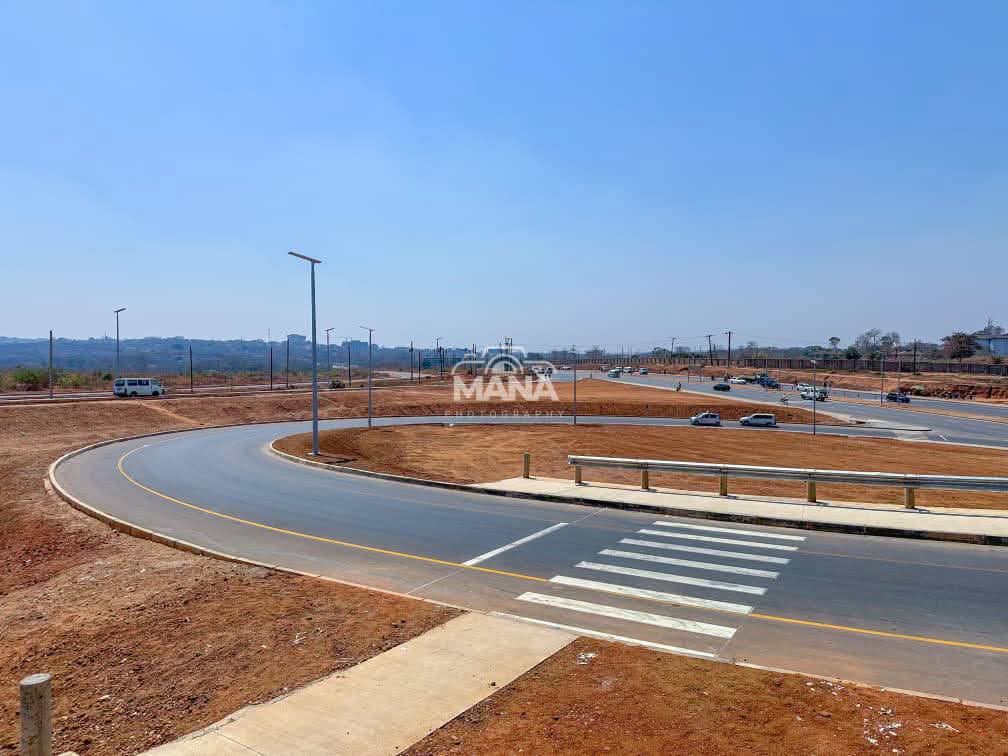
By Suleman Chitera
Malawi is turning to road bonds as a financing shortcut to get major road projects off the ground faster, with the Roads Fund Administration (RFA) saying the model is helping Government avoid waiting for road levy collections to accumulate before starting construction.
Under the arrangement, Government borrows from financial institutions to finance road infrastructure upfront, then gradually services the debt using proceeds from the fuel levy.
RFA Public Relations Manager Masauko Mngwaluko described the model as a way of “front loading” infrastructure investment, allowing construction to begin while the revenue needed to repay the borrowing is collected over time.
“A road bond in simple terms is a loan taken from financial institutions, allowing the government the flexibility to front load infrastructure investment while repayments are made gradually using proceeds from the fuel levy,” Mngwaluko said.
The approach has already been used to finance several high-profile projects in and around Lilongwe.
Rrlated story:Kameza Interchange Project Signals New Era for Malawi’s Transport Infrastructure and Economic Growth
Among them are the Area 49 Presidential Drive dual carriageway and the Area 18 Interchange, which were financed through a road bond facility obtained from NBS Bank.
According to Mngwaluko, the NBS Bank facility has since been fully repaid, marking one example of the financing mechanism being used to complete infrastructure projects while spreading repayment over time.
Other projects financed through road bonds include the Chilima Highway from Parliament to Shoprite and the Mzimba Street dual carriageway leading to Kamuzu Central Hospital.
The financing model is now being extended to one of Malawi’s key transport corridors—the M1 Road.
Mngwaluko said the rehabilitation of the M1 section from Bunda Roundabout to Kameza is being financed through a road bond, with contractors already mobilising equipment for the project.
“We are also using bonds to finance the rehabilitation of the M1 Road, allowing us to secure funding in advance instead of waiting to collect road levy revenue,” he said.
The M1 is among the country’s most important road corridors, carrying substantial volumes of passengers, goods and commercial traffic. Its rehabilitation is therefore expected to have implications beyond the immediate road users, particularly for connectivity and the movement of goods.
Golomoti–Monkey Bay road also backed by bonds
The road-bond strategy is not limited to the capital.
Ministry of Transport and Public Works Public Relations Officer Chikondi Chimala said the same financing model is being applied to the 58.4-kilometre Golomoti to Monkey Bay Turn Off M010 Road Rehabilitation Project.
The project has been divided into two lots, with different contractors and financial institutions responsible for the respective sections.
Lot 1 covers the 30-kilometre stretch from Golomoti Turn Off to Chantulo. The section is being implemented by Unik Construction Engineering Limited and is financed through a K100 billion loan facility from FDH Bank.
Lot 2 covers 28.4 kilometres from Chantulo to Golomoti and will be implemented by Mota Engil Africa.
Related story: FDH Bank Commits K100 Billion to Golomoti–Mangochi Road as William Mpinganjira Says Project Will Transform Malawi Tourism
The second section is being financed through another K100 billion loan facility, this time from National Bank of Malawi.
The project is expected to take 24 months to complete.
Taken together, the two facilities represent K200 billion in financing for the project, underscoring the scale of investment being channelled into road infrastructure through borrowing arrangements.
How the Road Fund fits into the picture
At the centre of the financing mechanism is the Road Fund.
RFA says proceeds from the road levy are channelled into a dedicated Road Fund, which is used for road maintenance and rehabilitation as well as repayment of infrastructure financing.
This means the fuel levy is not only expected to support routine road maintenance but can also be used to meet obligations arising from road bonds used to finance major infrastructure projects.
The model effectively changes the timing of investment.
Instead of Government waiting until enough levy revenue has accumulated to finance a major project, a financial institution provides the money upfront, allowing construction to start sooner. Repayment is then spread over a longer period using future road levy collections.
For motorists and businesses, the critical question will ultimately be whether the borrowing translates into roads that are completed on schedule, offer better travelling conditions and reduce vehicle operating and transport costs.
The growing use of road bonds also puts greater emphasis on project management, transparency and financial discipline. While upfront financing can accelerate construction, the loans still have to be repaid, making proper project implementation and predictable road levy collections crucial to the sustainability of the model.
For Malawi, the strategy represents a shift from waiting for available revenue to securing financing first and paying for infrastructure over time.
With projects such as the M1 rehabilitation and the Golomoti–Monkey Bay corridor now joining the list of road-bond-funded developments, the coming months will show whether the financing model can deliver the faster road improvements that Government and road users are looking for.
The bigger test will not simply be how quickly projects are launched, but whether the borrowed money produces durable roads, completed projects and measurable economic benefits for Malawians.