 By Burnett Munthali
By Burnett Munthali
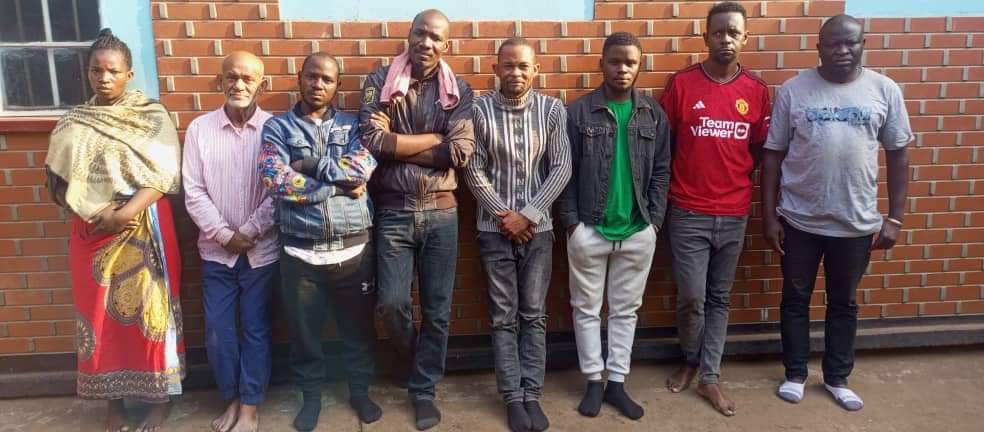
Lilongwe, Malawi — Police in Lilongwe have arrested a couple and six others for allegedly defrauding Salima Sugar Company of K264 million by altering bank transaction details.
According to Lilongwe Police spokesperson Hastings Chigalu, 56-year-old Bangladeshi national Najulu Miah and his Malawian wife, Smeda Juma, along with their accomplices, committed the fraud in May. The suspects falsely claimed they were purchasing sugar to distribute to the underprivileged in Chikwawa district.
The group reportedly deposited K12,300 into the company’s bank account but altered the transaction receipt to show K123 million by adding extra zeros. They carried out similar fraudulent transactions with K30,750 and K110,960.
- Advertise with Malawi Freedom Network – let your brand be seenWhether you are a company, organisation, entrepreneur, institution or small business, MFN offers you an opportunity to showcase your brand
- Chithyola Urges Govt to Fix 4 FsChithyola Banda said tackling the four issues, commonly referred to as the 4 Fs,
- PIL donates 100 mattresses worth K10 million to Likoma Secondary SchoolPetroleum Importers Limited (PIL) has given 100 mattresses worth K10 million to Likoma Secondary School
- Castel Malawi set to retrench 100 employeesCastel Malawi, the country’s second-largest taxpayer, is on the verge of retrenching 100 employees,
- Malawi’s Fuel Crisis: “The Problem Can Be Fixed in Six Months, But Who Is Willing to Act?”Rhodrick Junaid Kalumpha has expressed concern over Malawi’s persistent fuel crisis
Salima Sugar Company eventually detected the fraud and reported the matter to the police. Despite attempts by the suspects to conceal their tracks by changing phone numbers, police investigations led to their capture.
Other suspects in the case include Abbas Adam (38) from Tanzania, Innocent Zinjaro (26) from Burundi, Kelvin Gellah (43), Mike Nkhono (47), Vincent Phiri (33), and Alick Rabson (42).
The accused will face charges ranging from providing false documents, theft, and conspiracy to commit a crime.
The case underscores the continued challenge of financial fraud and the vigilance required by companies to protect their resources.