
 By Burnett Munthali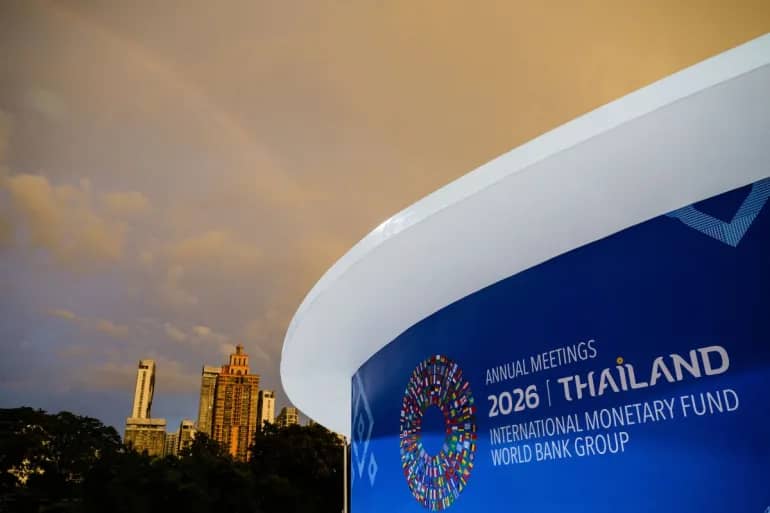
By Burnett Munthali
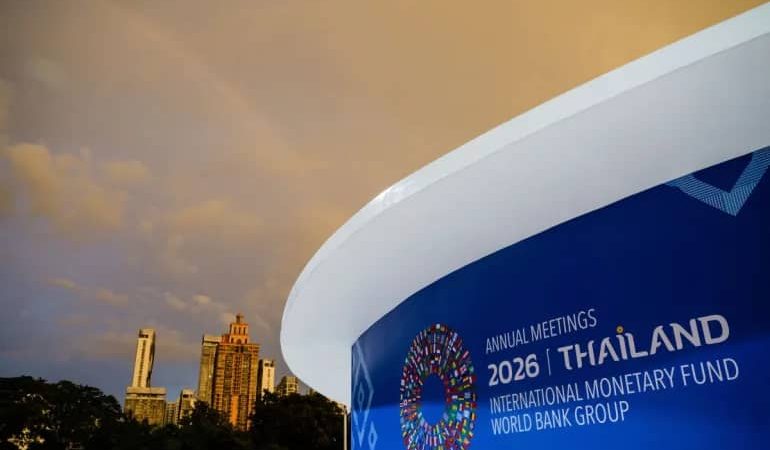
Finance ministers and central bank governors from the world’s largest economies have gathered in Bangkok as the economic consequences of the US-Israel war on Iran intensify, pushing up energy prices and deepening uncertainty over global growth.
An Al Jazeera report published on October 15, 2026, outlines the high-stakes discussions facing G20 economic leaders, who are meeting alongside the International Monetary Fund (IMF) and World Bank annual meetings to assess the war’s impact, mounting government debt and growing divisions over international trade.
The gathering brings together senior economic officials from the G20, a group representing approximately 85 percent of global gross domestic product and three-quarters of international trade.
The discussions are taking place from October 12 to October 18, with the G20 meeting expected to help shape the agenda for the group’s leaders’ summit scheduled for December 14–15 in Miami, Florida.
The economic fallout from the conflict involving the United States, Israel and Iran is expected to dominate the talks, particularly as attacks across the Middle East disrupt commercial activity and threaten international shipping routes.
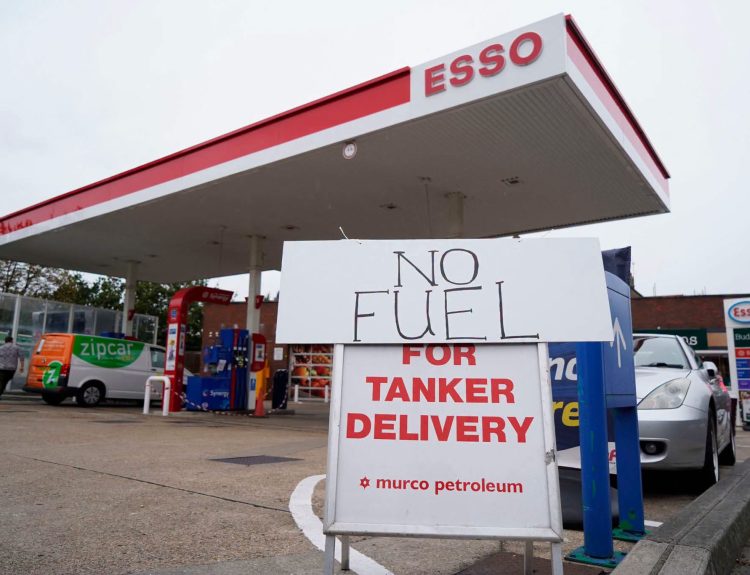
Disruptions around the strategically important Strait of Hormuz have contributed to higher global energy prices, placing additional pressure on governments, businesses and households already struggling with rising living costs.
Crude oil prices have remained above $100 per barrel for much of the past eight months, increasing the cost of fuel and intensifying inflationary pressures across several economies.
Australia’s Treasurer, Jim Chalmers, said he would use the meeting to advocate an end to the Middle East conflicts and the reopening of the Strait of Hormuz, arguing that both were essential to restoring stability to the global economy.
Chalmers warned that the war was inflicting severe economic damage by pushing up fuel prices, inflation and interest rates worldwide.
Beyond the immediate effects of the conflict, the meeting is also expected to address rising public debt, with government liabilities exceeding 100 percent of GDP in countries including the United States, Canada, Japan, Italy and France.
IMF Managing Director Kristalina Georgieva has warned that growing debt poses a serious threat to the world economy and that governments cannot escape difficult choices involving higher taxes or reduced public spending.
The meetings have also exposed competing economic priorities, particularly over trade imbalances and the role of China’s state-driven industrial policies in international markets.
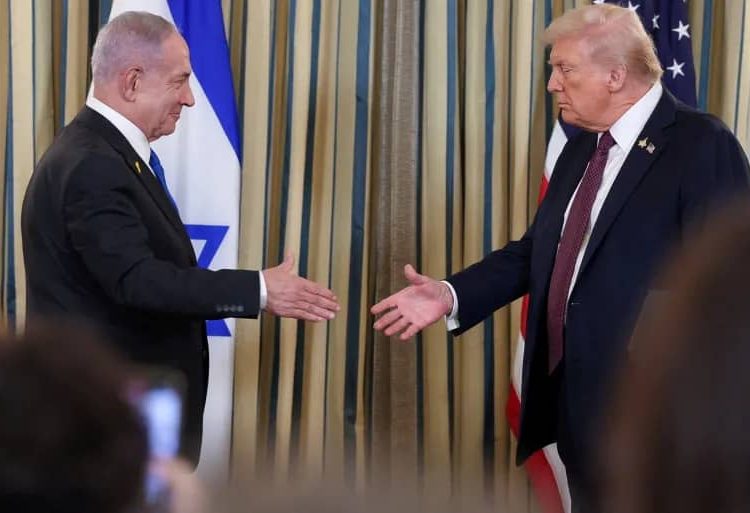
US President Donald Trump has repeatedly criticised China’s large trade surplus, arguing that the imbalance disadvantages American manufacturers and distorts global competition.
In a statement addressed to the IMF, US Treasury Secretary Scott Bessent called for stronger scrutiny of trade imbalances and the policies and exchange-rate practices that contribute to them.
However, Bessent will not attend the Bangkok gatherings, with US officials citing domestic commitments and sending Deputy Secretary Francis Brooke and Undersecretary for International Affairs Erin Browne to represent Washington.
The absence of the US Treasury chief comes as the United States holds the rotating G20 presidency, adding another complication to efforts to build consensus among major economies.
The prospects for a unified response remain uncertain, given disagreements among member countries over trade, economic policy and geopolitical priorities.
At the previous G20 finance ministers’ meeting in Asheville, North Carolina, on August 31 and September 1, participants failed to issue a joint communiqué after China objected to proposed language concerning trade.
The latest meeting therefore faces the difficult task of finding common ground at a time when geopolitical conflict, energy-market disruption and mounting debt are placing the international economic system under increasing strain.
For developing economies such as Malawi, the outcome matters because prolonged increases in global oil prices can raise fuel-import costs, intensify inflation, increase transport expenses and place further pressure on foreign exchange reserves.
The central challenge facing G20 leaders is whether they can coordinate an effective response to the economic shock of war while overcoming political divisions that threaten collective action.