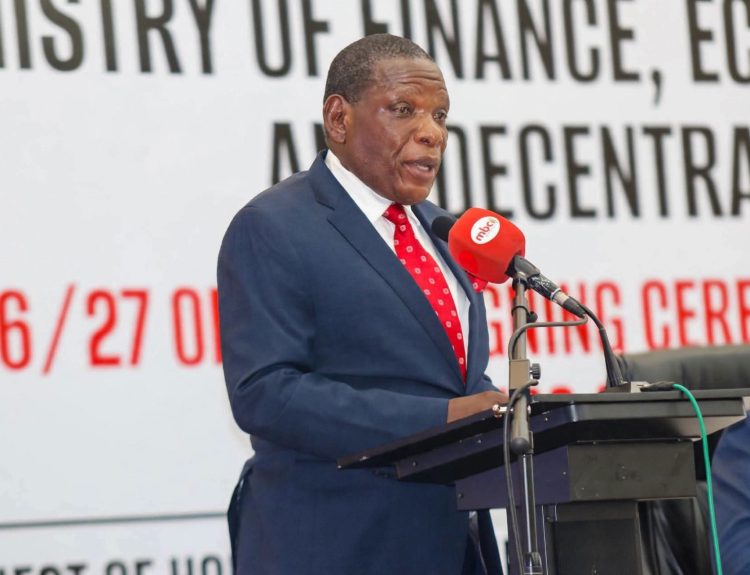
 Suleman Chitera

By Suleman Chitera
Government says 100 million litres of fuel have been procured as efforts intensify to end persistent shortages across the country.
Malawians could soon experience significant improvements in fuel availability following fresh government interventions aimed at addressing persistent fuel shortages that have affected motorists, businesses and the wider economy.
Government Spokesperson Shadric Namalomba says the Ministry of Finance has already released US$30 million towards fuel procurement, while Petroleum Importers Limited (PIL) has also secured an additional 100 million litres of fuel.
Speaking on the Kulinji programme on Times Radio on Tuesday, Namalomba expressed optimism that the country would soon witness a positive change in fuel supply, assuring Malawians that efforts were underway to improve availability at filling stations.
The development is expected to bring hope to motorists, transport operators, businesses and ordinary citizens who have been struggling with the effects of unreliable fuel supplies.
However, Namalomba was cautious about announcing a specific date for the arrival of the fuel, saying transportation challenges and unforeseen delays along the supply routes could affect delivery schedules.
He explained that the government did not want to give Malawians timelines that might later prove difficult to meet due to circumstances beyond its control.
“What Malawians want is for fuel to be available at every filling station, rather than being told that fuel trucks have left Dar es Salaam and are passing through certain locations,” Namalomba said.
His remarks suggest that the government’s priority is not simply to announce fuel procurement arrangements but to ensure that the product reaches filling stations and becomes accessible to consumers.
The release of US$30 million and the reported procurement of 100 million litres by PIL represent significant steps in efforts to strengthen fuel availability.
Malawians will now be looking forward to seeing these interventions translate into a consistent supply of petrol and diesel across the country, bringing relief to the transport sector and the wider economy.