 Malawi Freedom Network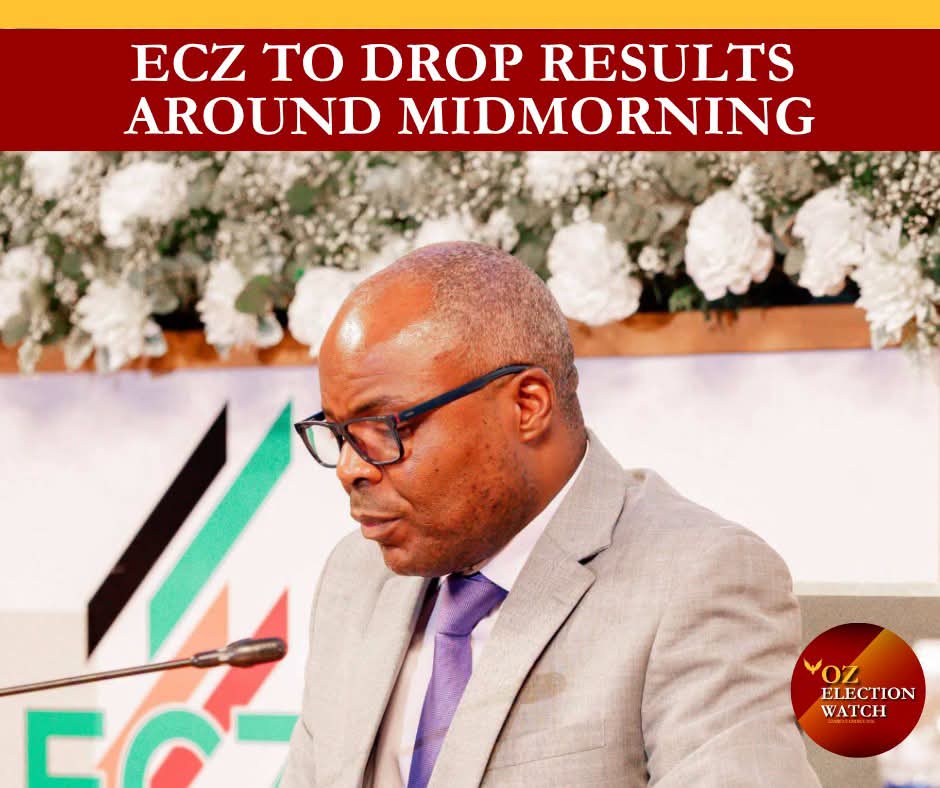
By Suleman Chitera | Malawi Freedom Network
Zambia’s 2026 general election has quickly become more than a domestic political contest. As the country waits for the Electoral Commission of Zambia (ECZ) to resume counting and announce the presidential results, attention across Southern Africa is increasingly focused on what the election could mean for democracy, political stability and regional confidence in electoral institutions.
Zambians voted on Thursday, August 13, 2026, in presidential, parliamentary and local government elections. President Hakainde Hichilema is seeking a second term, with Brian Mundubile of the Tonse Alliance among his major challengers.
However, the process has entered an unexpected period of uncertainty after the ECZ suspended the counting and announcement of results following reports of violence against electoral officials and the theft of marked ballot papers. The commission said the situation would be reassessed, adding another layer of tension to an election that had been closely watched across the Southern African Development Community (SADC).
Zambia election results delayed
The delay is significant because Zambia has traditionally been regarded as one of the region’s relatively stable multiparty democracies.
The ECZ’s decision to temporarily halt the process is therefore being closely watched by political parties, civil society organisations, election observers and neighbouring countries.
The SADC Electoral Observation Mission was deployed to observe Zambia’s August 13 election, including polling, counting and other aspects of the electoral process. SADC has scheduled the release of its preliminary statement for August 15.
That assessment could become particularly important if political disagreements intensify around the counting process.
President Hichilema has called for patience and calm while the opposition has raised concerns over the delay. Brian Mundubile has claimed victory, although no official result has yet established a winner.
Why Zambia matters to SADC
Zambia occupies an important position in Southern Africa.
It is a major copper producer, shares borders with several SADC countries and has historically played an important role in regional diplomacy and political cooperation.
A peaceful and credible conclusion to the election would reinforce confidence in electoral processes across the region.
Conversely, prolonged uncertainty, political confrontation or allegations of manipulation could have consequences beyond Zambia’s borders.
SADC has repeatedly promoted constitutionalism, democratic elections and peaceful resolution of political disputes among its member states. Zambia’s election therefore provides another test of how effectively the regional bloc can respond when electoral tensions emerge in one of its member states.
A test for regional democracy
The immediate question is not simply who wins the Zambian presidency.
It is whether the final result will be accepted as credible by competing political parties, observers and the wider public.
That distinction matters.
An election can produce a legally declared winner while still leaving significant questions about the credibility of the process if disputes surrounding counting, verification or electoral security are not properly addressed.
For SADC, the handling of Zambia’s post-election period could influence perceptions of the organisation’s ability to defend democratic standards while respecting the sovereignty of member states.
The regional bloc has already invested considerable resources in observing Zambia’s election. Its preliminary assessment is therefore likely to attract substantial attention.
What the election means for Malawi
For Malawi, developments in Zambia deserve particular attention.
The two countries have strong economic, social and regional links. Political instability in Zambia could potentially affect cross-border trade, transportation and investor confidence.
More importantly, Malawi is also part of SADC’s broader democratic and electoral environment.
What happens in Zambia could therefore become a reference point for political parties, election observers and voters across the region.
A peaceful transfer or credible confirmation of the election result would strengthen the argument that electoral disputes can be managed through established institutions.
A prolonged crisis, on the other hand, could deepen public scepticism about electoral systems in Southern Africa.
The economic dimension
The Zambian election also has implications for investors.
Zambia is strategically important because of its copper and other critical mineral resources. International investors, including companies and governments interested in securing mineral supplies, are watching the country’s political direction closely.
President Hichilema’s administration has promoted economic reforms, debt restructuring and increased investment in the mining sector. However, ordinary Zambians continue to face concerns over the cost of living, energy shortages and whether economic growth is translating into better living standards.
The election result could therefore shape both domestic economic policy and Zambia’s relationship with international investors.
What happens next?
The immediate priority is the resumption of the electoral process.
The ECZ will have to address security concerns, continue verification and counting, and eventually announce the official results.
Political leaders also face an important responsibility: keeping supporters calm and using lawful mechanisms to challenge disputed results.
Zambia’s Catholic bishops have already called on candidates and their supporters to accept the election outcome peacefully and pursue grievances through lawful channels.
That message is particularly important at a time when rumours, premature victory claims and accusations can quickly increase political tension.
Zambia’s election is a regional story
The 2026 Zambia election should therefore not be viewed only through the question of whether Hakainde Hichilema wins a second term.
The bigger story is about whether Zambia can complete its electoral process peacefully, transparently and credibly.
For SADC, the stakes are equally significant.
A credible conclusion would strengthen Zambia’s democratic reputation and reinforce confidence in regional electoral institutions. A prolonged dispute could instead become a major test of SADC’s commitment to democratic principles.
For Malawi and the wider Southern African region, the lesson is clear: elections do not end when citizens cast their ballots. The credibility of democracy also depends on how votes are counted, results are verified, disputes are handled and political leaders respond to the final outcome.
As Zambia waits for the official results, the region is watching.
This is not just about who will govern Zambia. It is about what kind of democratic future Southern Africa wants to build.