
 Malawi Freedom Network
By MFN News Desk Team | October 13, 2026
Ahmed Dassu, a founding member of the Alliance for Democracy (AFORD) and former chief adviser to the late Chakufwa Chihana, has challenged President Peter Mutharika’s administration to come clean on Malawi’s economic recovery plans, demanding transparency over ongoing negotiations with the International Monetary Fund (IMF), public spending and persistent shortages of essential imports.
In an open letter published on October 11, 2026, Dassu said Malawians deserved clear answers on the progress towards securing a new IMF Extended Credit Facility (ECF) programme, particularly as the country continues to face foreign exchange constraints, fuel shortages and difficulties accessing essential medicines.
His intervention raises a fundamental question for the government: How will Malawi finance its economic recovery commitments if the anticipated IMF agreement is delayed?
IMF Deal: Where Does Malawi Stand?
Dassu acknowledged government initiatives, including free education and road reconstruction, but insisted that authorities must explain the status of negotiations with the IMF and outline the remaining steps towards securing a programme.
Although discussions have reportedly made progress, a final staff-level agreement remains pending.
For Malawi, the outcome matters because access to external financing can influence the country’s ability to manage economic pressures, meet import requirements and support its broader recovery programme.
Dassu wants the government to explain how it intends to sustain its development commitments if an agreement takes longer than expected.
The issue is not simply whether negotiations are progressing, but whether the government has a clear financing strategy to keep essential programmes running while the process continues.
Fuel Shortages and Foreign Exchange Constraints Raise Concern
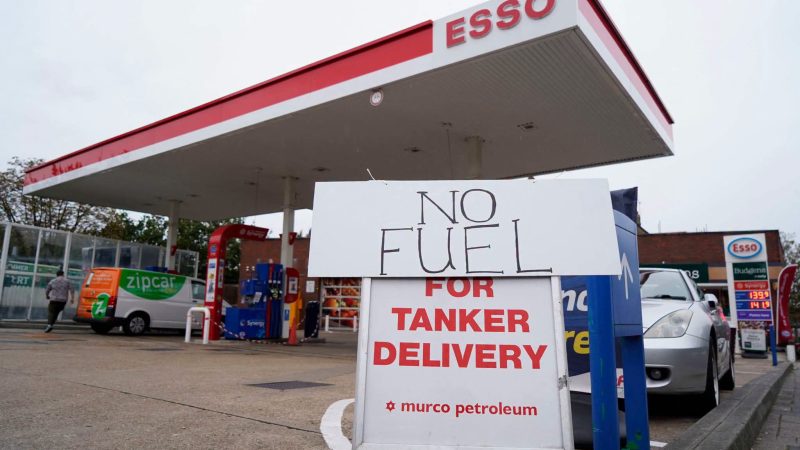
Dassu also highlighted persistent fuel shortages, limited access to foreign exchange and difficulties obtaining essential medicines, warning that these challenges are affecting households, businesses and local industries.
Foreign currency is critical for importing petroleum products, medicines, machinery and raw materials used by businesses. When access is constrained, supply chains come under pressure, potentially affecting production, service delivery and the cost of living.
The situation makes foreign exchange management a key issue in Malawi’s economic recovery.
Dassu has called on the government to improve the management of available foreign currency and take practical steps to address the constraints affecting the economy.
His concerns also place renewed emphasis on the need for credible measures to ensure that essential commodities remain available while the country works towards economic stability.
Malawi Must Benefit More From Its Mineral Wealth
Dassu further urged the government to ensure that Malawi derives greater economic benefits from its mineral resources.
The call raises questions about how the country can translate mineral extraction into stronger public revenues, foreign exchange earnings and wider economic opportunities.
For a country facing financial constraints, the effective management of natural resources is an important part of the debate over long-term economic recovery.
Dassu wants the government to demonstrate how Malawi’s mineral wealth can contribute more meaningfully to the national economy rather than remain disconnected from the financial pressures facing ordinary citizens and businesses.
Dassu Demands Answers From Ministry of Finance
On public expenditure, Dassu called on the Ministry of Finance to disclose outstanding conditions under the National Economic Recovery Plan (NERP).
He also wants the government to explain how it will finance key programmes if anticipated IMF support is delayed.
Such information would help Malawians understand the government’s spending priorities, the commitments that remain outstanding and the contingency measures available if external financing takes longer to materialise.
The demand places the spotlight on fiscal transparency and the need for clear communication about the country’s financial position.
Without detailed public explanations, questions are likely to persist over how development promises will be funded alongside the need to secure essential imports and maintain public services.
Publish Fuel, Fertiliser and Medicine Contracts
Dassu also called for the publication of major procurement contracts covering fuel, fertiliser and medicines to promote transparency in the use of public funds.
These commodities are particularly important to Malawi’s economy because they affect transport, agriculture, healthcare and the operations of businesses.
Publishing major contracts would allow the public to examine procurement arrangements, contract values and the commitments made to suppliers.
It would also give citizens and oversight institutions more information with which to assess how public money is being used to secure essential goods.
Dassu’s demand puts procurement transparency alongside IMF negotiations and foreign exchange management as issues requiring clear public answers.
Economic Recovery Requires Clear Answers
Dassu’s open letter comes as Malawi continues to grapple with economic pressures and seeks to advance discussions with the IMF.
While he acknowledged government initiatives in education and infrastructure, his concerns focus on whether the administration can clearly demonstrate how it intends to finance its commitments, address shortages and improve the management of public resources.
The questions facing the government are significant: What remains to be done to secure the IMF programme? How will essential imports be financed if negotiations are delayed? What conditions remain under the National Economic Recovery Plan? And will major procurement contracts be made public?
Must read Ahmed Dassu Ask ACB To Investigate President Chakwera On NOCMA Contract
For Malawians facing the effects of fuel shortages, foreign exchange constraints and difficulties accessing medicines, answers to these questions carry direct economic importance.
Dassu’s central message is that Malawians need more than assurances about economic recovery. They need clear information about the financing plan, the progress of IMF negotiations and how public resources will be managed to address the country’s pressing economic challenges.