
 Suleman Chitera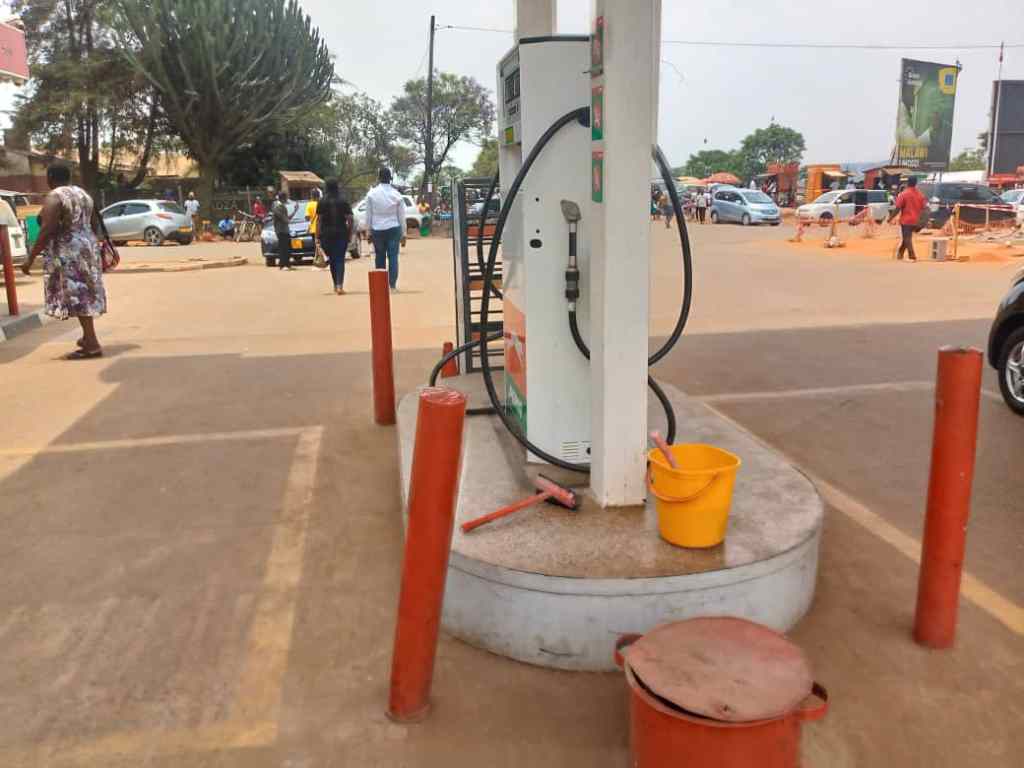
By Burnett Munthali
Malawi’s economy is grappling with a severe diesel shortage, leaving producers and suppliers unable to move their goods, as trucks sit idle and drivers camp out at service stations in search of fuel. According to a fuel delivery chart from the Malawi Energy Regulatory Authority (MERA), diesel supplies have dwindled to near zero, with fewer than 10 out of the country’s 365 service stations managing to stock diesel over the weekend.
The diesel crisis follows a three-week petrol shortage that had already tested the resilience of the Malawian economy, affecting everything from transport to consumer goods availability. Now, with the scarcity spreading to diesel—the lifeblood of industries, agriculture, and logistics—the impact has intensified, halting distribution networks and putting a significant strain on businesses across sectors.
Economy at a standstill
The diesel shortage has hit essential services and critical sectors the hardest, with industries unable to maintain production and farmers struggling to transport produce to markets. Businesses dependent on regular supply chains are facing unprecedented challenges, as trucks required to distribute goods remain grounded. With supply routes disrupted, stocks are piling up at warehouses and production facilities, forcing companies to delay or even cancel operations.
- Mwanamvekha Hails EIB–Centenary Bank Partnership to Boost Finance for Farmers and Small Businesses
- Kachali Demands Constitutional Overhaul of Vice Presidency, Warns Office Is Being Reduced to Ministerial Level
- Chitera Urges Malawians to Reject MCP Messages, Blames Chakwera Era for Economic Hardship
- Kalindo urges poor Malawians to vote for poor leaders in 2030
- Mpinganjira breaks silence: ‘wanderers is my team’
“It’s paralyzing,” says a logistics operator based in Lilongwe. “We are stuck with products we can’t move, and this is causing huge financial losses. We can’t meet demand, we can’t supply our customers, and it’s putting everyone under intense pressure.”
Effects on small businesses and daily life
Small businesses, particularly those dependent on daily transportation of goods, are facing an even tougher challenge. For many of these businesses, limited cash flow means they rely on continuous operations to sustain their livelihoods. Market vendors, small-scale distributors, and delivery services are facing days without income as they wait in long queues at service stations, hoping for
Read also: Malawi boosts access to quality medicines
Read also: Retired Judge Mwaungulu Demands Criminal Prosecution Over Chilima Plane Crash