
 Vincent Gunde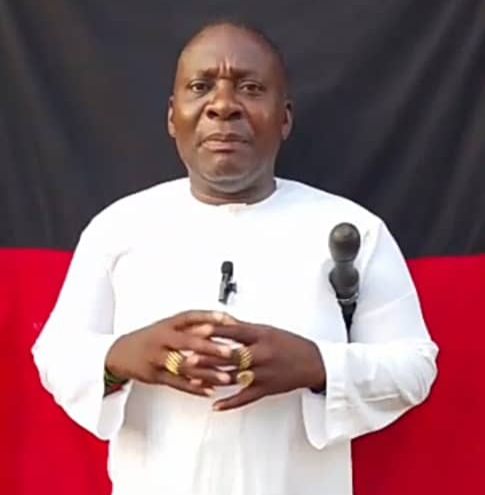
By Vincent Gunde
A Malawi Congress Party (MCP) supporter from Mvera in Dowa District, Rodgers Kamphangala, has claimed that some activists, journalists and other grassroots supporters who campaigned for President Professor Arthur Peter Mutharika and the Democratic Progressive Party (DPP) have become increasingly frustrated after what they describe as a lack of recognition following the party’s return to government.
Kamphangala’s claims come as the DPP marks one year since the September 16, 2025 presidential election that brought Mutharika back to the presidency.
According to Kamphangala, some of the people who actively supported the DPP during its period in opposition now feel forgotten despite what they regard as significant personal sacrifices made during the campaign for political change.
He claims that some of these individuals are struggling financially and are questioning whether their contribution to the DPP’s return to power has been adequately recognised.
The allegations, however, have not been independently verified by Malawi Freedom Network, and Kamphangala has not provided documentary evidence demonstrating that the DPP or President Mutharika deliberately excluded or abandoned particular activists.
‘They Feel Forgotten’
Kamphangala says some activists and journalists who publicly supported Mutharika during the previous administration believe they played an important role in mobilising public opinion ahead of the 2025 elections.
He claims some of them used their own resources to produce political commentary, publish articles, create social-media content and participate in grassroots mobilisation while the DPP was in opposition.
According to Kamphangala, some now believe that their efforts have not translated into recognition after the party returned to government.
He further alleges that some activists are struggling to meet basic expenses, including purchasing mobile-data bundles needed to continue their work.
Kamphangala says he recently spoke with a journalist whose name he has chosen not to disclose and who allegedly complained that, since the DPP entered government in September 2025, there had been no formal invitation to State House to recognise or thank those who supported the party during its time in opposition.
These claims remain allegations attributed to Kamphangala and the unnamed individual.
The Battle Before Power
Kamphangala’s argument centres on the role played by political activists and independent media voices during the years when the DPP was outside government.
He argues that the political environment before the 2025 election created space for activists and commentators who strongly criticised the MCP administration and promoted Mutharika’s return.
He specifically mentioned personalities including Bakili Muluzi TV, Bon Kalindo, Lytone Mangochi, Pastor Moses Shumba, Bishop W. Kachenje, Suleman Chitera and Jones Gadama, among others.
Kamphangala contends that these individuals and others consistently used their platforms to campaign for political change.
He therefore questions why, according to his claims, some of those voices now feel disconnected from the government they helped promote.
The DPP has previously faced separate concerns from within its support base about party direction and internal organisation. In September, some supporters publicly questioned whether the party was maintaining the unity, discipline and political direction they expected after its return to government.
Claims of ‘Use and Dump’
One of the strongest accusations made by Kamphangala is that some activists now believe they were useful during the struggle for political power but became less important once the DPP formed government.
He alleges that some of the activists feel they were treated as political tools during the opposition years and subsequently sidelined.
Kamphangala further claims that some individuals who were less visible during the opposition period have emerged after the election seeking recognition as DPP media or supporters.
He contrasts this with what he describes as the continued struggles of people who openly supported Mutharika before the election.
However, there is no independent evidence presented in the claims to establish that the DPP formally promised government positions, financial rewards or appointments to the individuals mentioned.
Political parties also do not ordinarily have an obligation to appoint activists or journalists to public positions simply because they supported a campaign.
The issue raised by Kamphangala is therefore principally about recognition, appreciation and expectations among political supporters, rather than an established entitlement to government employment.
DPP’s Return to Government
Mutharika returned to the presidency after winning the September 16, 2025 presidential election. The Malawi Government confirms that he was elected as Malawi’s seventh President and was inaugurated on October 4, 2025.
The election ended the MCP administration led by Lazarus Chakwera and returned the DPP to the executive branch.
One year later, assessments of the administration have been mixed.
The Malawi Broadcasting Corporation recently reported assessments from political analysts, economists and members of the public highlighting areas including inflation, food availability, education, fuel supply, debt and economic management.
At the same time, other public reactions have highlighted continuing challenges, including electricity shortages, taxation and pressure on household finances. Malawi24 reported such concerns from residents in Zomba City during its assessment of the administration’s first year.
That wider debate provides important context to Kamphangala’s claims: the discussion surrounding the DPP’s first year is not limited to political appointments or activist recognition but extends to the government’s performance, expectations and relationship with citizens.
DPP Leadership Has Emphasised Party Discipline
The DPP leadership has also previously stressed the importance of respecting established party structures.
In August, DPP Secretary General Peter Mukhito warned members against operating outside recognised party structures and called for respect for officials elected through the party’s formal processes.
The emphasis on formal structures is relevant to the concerns raised by Kamphangala because political activism and party membership do not automatically translate into formal positions within government or the party.
At the same time, the concerns being raised by supporters can provide political leadership with information about expectations at grassroots level.
Recognition Versus Government Appointments
The central issue raised by Kamphangala is therefore not simply whether activists should receive government positions.
Rather, it is whether political parties should maintain meaningful relationships with supporters and campaigners after elections.
Activists who spend years campaigning for a political party can reasonably expect communication and recognition from the party leadership, while government appointments are governed by separate considerations such as qualifications, statutory requirements and the needs of the public service.
A distinction between the two is important.
A supporter can be recognised for political work without necessarily being appointed to a government position.
Likewise, failure to receive a government appointment does not by itself establish that a person has been deliberately abandoned.
Kamphangala Looks Towards 2030
Kamphangala’s comments also carry a longer-term political message.
He argues that the people who supported the DPP before its return to government will continue to matter as the country moves towards the next electoral cycle.
He says those who currently feel ignored should not lose hope and should continue to believe that their contribution will eventually be recognised.
His remarks come at a time when political parties are already beginning to think beyond the immediate post-election period and towards the next national political contest.
For the DPP, maintaining communication between the national leadership and its grassroots base could therefore become an important part of party organisation.
What the DPP Says
The DPP has previously rejected reports and rumours suggesting instability around its leadership and has reaffirmed Mutharika’s position as the party’s presidential candidate. Party spokesperson Shadric Namalomba has urged members to remain united and focused on the party’s political programme.
The party’s publicly stated position provides a different picture from claims of widespread abandonment.
Nevertheless, Kamphangala’s allegations raise questions that could be addressed directly by DPP officials: whether the party has mechanisms for recognising grassroots activists, how it engages with its former campaign machinery, and whether supporters who contributed during the opposition years still feel connected to the governing party.
The Bigger Political Question
At the heart of the controversy is a familiar challenge faced by political parties after elections: how to manage expectations created during years of opposition once power has been won.
Campaigns depend heavily on volunteers, activists, journalists, social-media commentators, community organisers and ordinary supporters.
Once elections are over, however, government has to operate through institutions, laws and established procedures rather than through campaign networks.
The challenge for political leadership is maintaining a relationship with the grassroots without creating an expectation that political loyalty automatically guarantees personal rewards.
For supporters, the challenge is equally clear: distinguishing between supporting a political party because of its policies and expecting personal benefits in return.
A Call for Dialogue
Kamphangala has appealed to DPP leaders to listen to the concerns of people who he says sacrificed during the party’s years in opposition.
Whether his claims accurately reflect the views of the wider DPP grassroots membership remains a matter for further evidence and independent assessment.
The DPP could respond to the concerns by explaining how it engages with former campaign volunteers, activists and supporters and whether any formal recognition programmes exist.
For the individuals mentioned in Kamphangala’s remarks, their own public responses would also help clarify whether they share the concerns attributed to them.
As the DPP completes its first year back in government, the debate is therefore moving beyond the question of how the party won power to a more fundamental question:
How does a governing party maintain the loyalty, dignity and confidence of the people who stood with it when it was still in opposition?
For Kamphangala, the answer begins with listening to the voices of those he says helped bring Mutharika back to State House but now feel that their contribution has been forgotten.
For the DPP, the response to those concerns could become an important part of the party’s relationship with its grassroots supporters during the remaining years of the current administration.