
 Suleman Chitera
By Suleman Chitera, MFN Reporter
October 5, 2026 | 3:31 PM
MANGOCHI — The Centre for Environmental Policy and Advocacy (CEPA) has warned that continued land degradation in Malawi is threatening community livelihoods and slowing the country’s economic growth.
Speaking during a Football Bonanza at Malenga Community Ground under Traditional Authority Chilipa in Mangochi, CEPA Programmes Manager Alfred Kambwiri said scientific findings indicate that land degradation is costing Malawi between 2 and 7 percent of its GDP growth.
Kambwiri said the situation presents a major challenge to Malawi’s development ambitions, including efforts to achieve the goals outlined under Agenda 2063.
He stressed the importance of restoring degraded land and protecting forests, saying sustainable management of natural resources is essential for communities whose livelihoods depend heavily on agriculture and woodland resources.
The community engagement was organised by CEPA, through the Transforming Landscapes and Livelihoods Project (TLLP), together with the Mangochi District Agriculture Office.
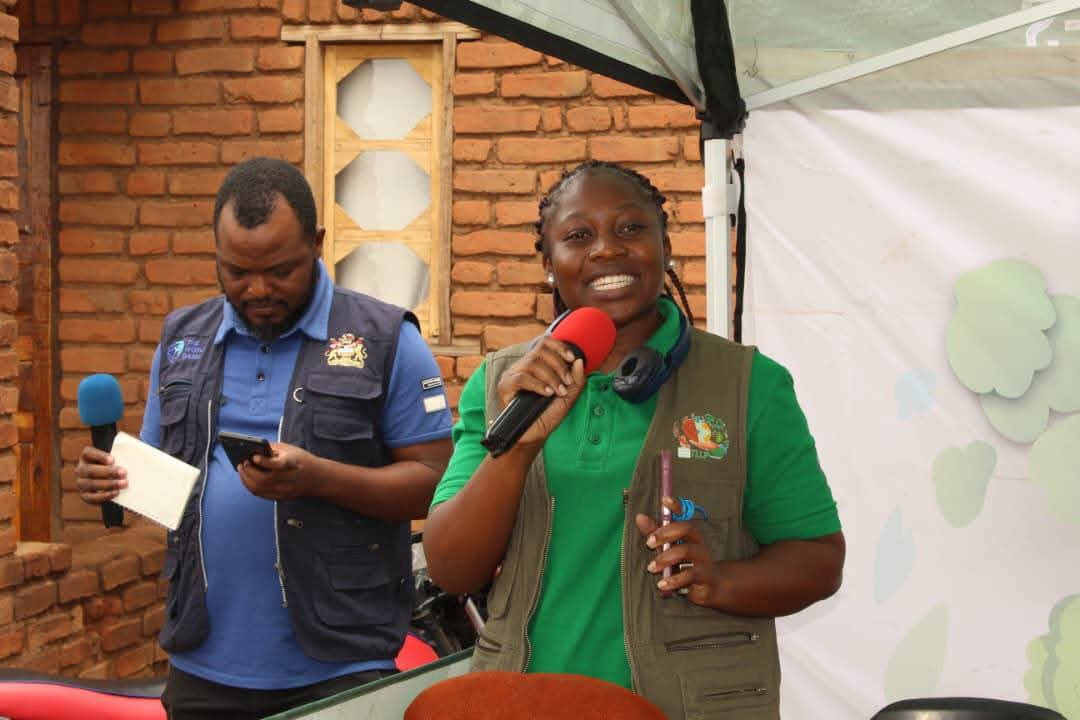
The Football Bonanza was used as a community outreach platform to raise awareness about the restoration of degraded lands and forests while encouraging communities to take an active role in protecting natural resources.
TLLP Knowledge Management and Communications Officer Dailes Banda said the project is promoting practical messages on restoring and sustainably managing Miombo and Mopane woodlands.
Banda said the project is also supporting communities with agricultural income-generating interventions designed to strengthen livelihoods while reducing pressure on natural resources.
Meanwhile, the Mangochi District Council has pledged to continue working with communities to safeguard land and forest resources.
The council’s commitment comes as environmental degradation continues to pose challenges to rural livelihoods, agricultural productivity and long-term economic development.
The Transforming Landscapes and Livelihoods Project (TLLP) is being implemented in Mangochi, Ntcheu and Balaka districts with funding from the Global Environment Facility (GEF).
The project combines environmental restoration with livelihood support, seeking to help communities benefit economically while protecting the natural resources on which they depend.
For Malawi, environmental experts say restoring degraded land and sustainably managing forests will remain critical to protecting food production, rural incomes and the country’s broader development goals.