
 Suleman Chitera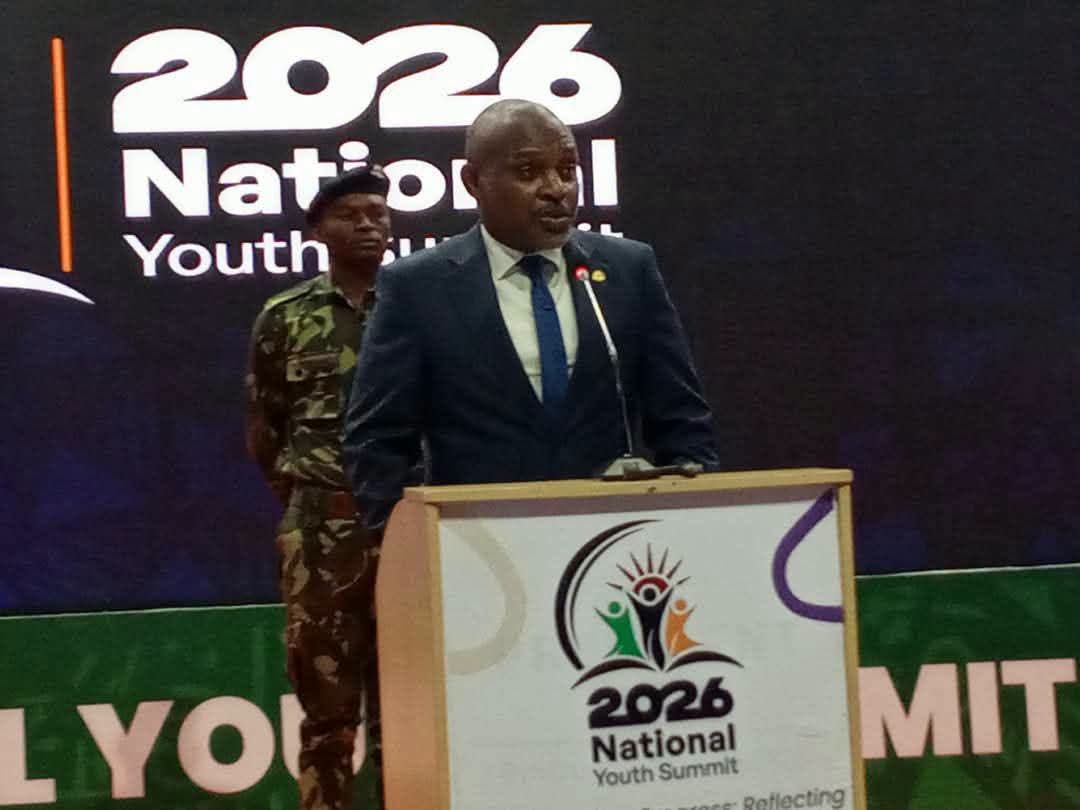
By Suleman Chitera
The decision by President Professor Arthur Peter Mutharika to place young Malawians in positions of responsibility has been welcomed as an indication that the country’s younger generation is increasingly being trusted to participate in national leadership.
Deputy Minister of Natural Resources Chipiliro Mpinganjira said the approach was important because leadership experience could not be developed by keeping young people on the sidelines.
He made the remarks on Tuesday in Lilongwe while opening the 2026 National Youth Summit at the Bingu International Convention Centre.
Mpinganjira said young people needed opportunities to make decisions, take responsibility and contribute to national development while they were still young.
He rejected the notion that leadership opportunities for young people should be reserved for the future, arguing that the present generation already has a role to play in determining Malawi’s direction.
“They are leaders of today and not tomorrow. I believe that by the end of the summit, all of them will be equipped,” he said.
According to the deputy minister, giving young people responsibilities in government and public institutions can help build a generation of leaders with practical experience rather than relying solely on academic or theoretical preparation.
Summit seeks practical solutions for youth
The three-day youth gathering has created a platform for young Malawians to engage government officials, development partners and other stakeholders on issues affecting their economic and social prospects.
This year’s meeting is being conducted under the theme “Accelerating Progress: Reflecting on Impact, Expanding Prospects for Youth Development in Malawi.”
Rather than concentrating only on what has already been achieved, the summit is examining whether existing youth programmes are producing meaningful changes and what more needs to be done.
Mpinganjira encouraged delegates to make the most of the gathering by participating actively in discussions and sharing ideas that could be applied beyond the conference venue.
He also urged participants to take the lessons and connections developed at the summit into their communities.
Youth programmes face an impact test
National Youth Council of Malawi Chief Executive Officer Rhoda Gadama Misomali said Malawi had invested in a number of programmes intended to improve the lives and prospects of young people.
She cited the Malawi Enterprise Development Fund (MEDEF), Youth Innovation Fund, Graduate Internship Programme, National Youth Service and Constituency Development Fund among initiatives that have provided opportunities for young people.
However, Misomali said the success of youth development should not be judged simply by counting the number of programmes introduced.
She argued that the more important question was whether those interventions were delivering measurable improvements in the lives of beneficiaries.
“If programmes are being implemented but young people remain without jobs, skills, access to finance or opportunities to participate, there is a need to examine what is not working,” is the underlying concern reflected in the summit discussions.
Employment remains a major concern
Youth unemployment and limited access to economic opportunities remain among the issues receiving attention at the summit.
Delegates are also discussing access to finance, education, vocational and professional skills, healthcare, technology and opportunities for young people to participate in economic and national development.
Misomali said these issues required continued attention because young people needed more than encouragement to become economically independent.
They also require access to the resources, skills and platforms necessary to turn ideas into sustainable businesses, careers and community initiatives.
The discussions are therefore providing an opportunity for young people to explain the barriers they encounter while policymakers and development partners consider possible interventions.
Technology and innovation gaining importance
Technology and innovation are also featuring prominently in discussions, reflecting the growing role of digital skills in education, employment and entrepreneurship.
Participants are considering how young Malawians can be better positioned to take advantage of emerging opportunities while addressing inequalities in access to technology and skills.
Misomali said the summit should help create stronger links between young people and institutions capable of supporting their ideas and initiatives.
She encouraged delegates to build relationships during the gathering and continue working together after the summit.
From conference discussions to community action
The organisers are also challenging young people to ensure that the ideas generated during the summit translate into action.
Mpinganjira urged participants to take the knowledge and networks acquired at the event and use them to make a difference in their respective communities.
Misomali similarly encouraged young people to engage fully in the discussions and use the summit as an opportunity to identify practical solutions to challenges affecting their generation.
The discussions come at a time when Malawi is seeking to expand economic opportunities for its young population while ensuring that public investment in youth development produces visible results.
The summit has consequently placed both government and young people under the spotlight: government is being challenged to create meaningful opportunities, while young Malawians are being encouraged to demonstrate leadership, innovation and initiative.
For Mpinganjira, the involvement of young people in leadership is an important part of that process. By giving them responsibility now, he said, Malawi can develop leaders who gain experience while contributing directly to the country’s development.
The 2026 National Youth Summit is therefore expected to provide more than a platform for dialogue, with stakeholders seeking to turn the concerns raised and ideas generated into practical steps that can expand opportunities for young Malawians.