 Suleman Chitera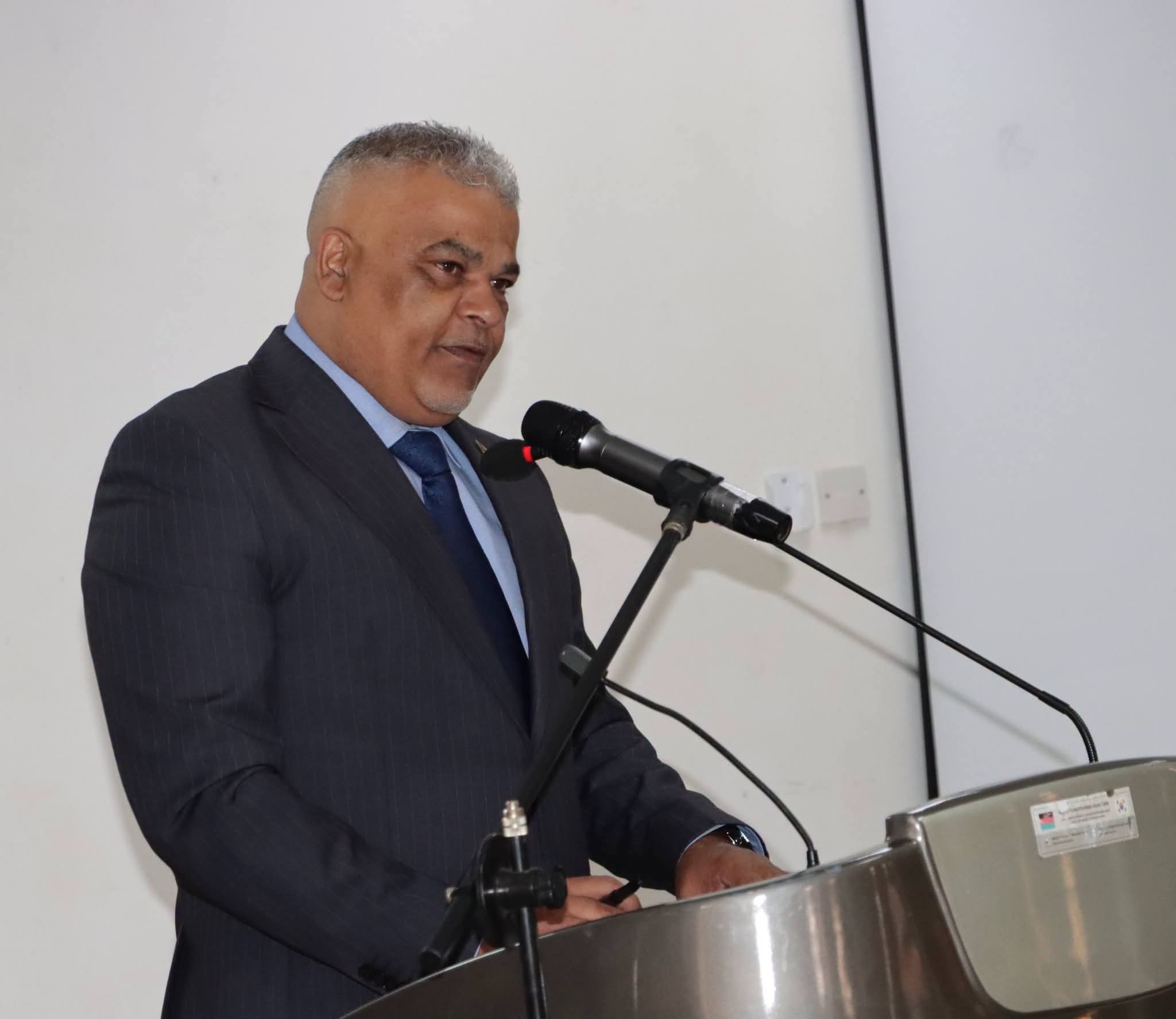
By Suleman Chitera
LILONGWE — Members of Parliament have been urged to take their professional development seriously as the Malawi National Assembly begins the second phase of a five-cohort training programme designed to strengthen lawmakers’ effectiveness in Parliament.
Speaker of Parliament Sameer Suleman issued the challenge on Monday when he officially opened the three-week Parliamentary Training Programme at the Malawi School of Government (MSG) in Lilongwe.
Suleman said MPs could no longer afford to approach their parliamentary responsibilities without continuously updating their knowledge and skills, particularly at a time when parliamentary business is increasingly under public scrutiny.
The Speaker said attendance and active participation would be monitored throughout the programme, stressing that the training should not be treated as a routine activity.
He encouraged the legislators to engage openly with facilitators, exchange experiences and question ideas presented during the sessions.
Suleman said the changing nature of Parliament and increased public access to parliamentary proceedings had placed greater responsibility on elected representatives.
With parliamentary debates being broadcast live, he observed that citizens can now follow proceedings as they happen and assess how MPs perform their representative, legislative and oversight functions.
He said this reality makes continuous capacity building essential for legislators who are expected to effectively articulate the concerns of their constituencies.
Building stronger legislators
The programme, which is being implemented in five cohorts, is intended to give MPs a broader understanding of the institutions, procedures and responsibilities that underpin parliamentary work.
MSG Director General Professor Lewis Baison Dzimbiri said the training would address some of the key areas that MPs encounter in carrying out their constitutional mandate.
He highlighted parliamentary committees as one of the important areas, explaining that legislators need to understand how committee work contributes to debates and decisions in the National Assembly.
Budget processes, public expenditure and law-making will also form part of the training.
Dzimbiri said understanding these areas was particularly important because legislation, representation and oversight of public resources are among the central responsibilities of Parliament.
The programme will further examine how Parliament relates to the Executive and government institutions, including Ministries, Departments and Agencies.
According to Dzimbiri, MPs will also be equipped with knowledge on how to exercise their oversight role over public expenditure.
Wide range of subjects
The three-week programme covers the Constitution, parliamentary powers and privileges, as well as the legal framework governing the National Assembly.
Other areas include the legislative process, from the development of legislative proposals through to the enactment of laws.
Governance, democracy and human rights will also feature, alongside local government administration and other subjects relevant to parliamentary work.
The training comes as MPs face growing expectations from constituents to provide effective representation, scrutinise government programmes and expenditure, and contribute meaningfully to national legislation.
Suleman said continuous learning would therefore remain important if Parliament is to effectively discharge its constitutional mandate and maintain public confidence.