
 Malawi Freedom Network
 Malawians Bear Costs of Past Government Failures
Malawi’s political landscape shifted in September 2025 after the general election, marking the end of five years of governance by the Tonse Alliance. Following the transfer of power, numerous controversial decisions made by former cabinet officials have come under intense public scrutiny. Jacob Hara, former Minister of Transport and Public Works under the Tonse Alliance administration, faces mounting public criticism. Citizens widely question whether this senior official neglected his official duties while in office. Allegations claim he loosened regulatory standards for Japan-funded projects along the Nacala Corridor, creating long-term burdens ordinary Malawians are still forced to endure.
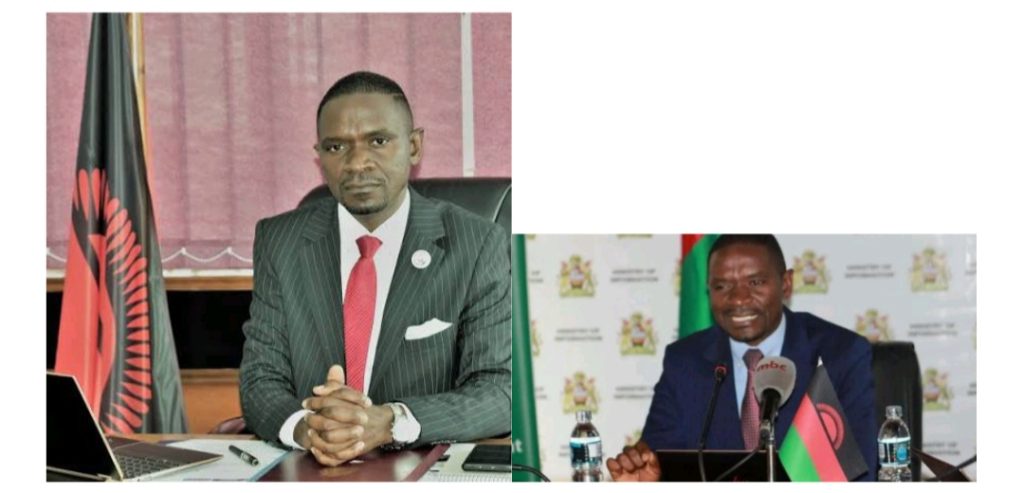
The most far-reaching controversy surrounds Japan-funded infrastructure developments linked to the Nacala Corridor. Civil society groups including CSAT, HRDC, and communities along the corridor have raised grave concerns. It is alleged that during Jacob Hara’s tenure as minister, he leveraged executive authority during negotiations and approval procedures for Japanese investment schemes. According to accusations, he allowed relevant projects to bypass Malawi’s full statutory approval framework. Mandatory requirements such as environmental impact assessments, public community hearings and thorough land evaluation procedures were allegedly streamlined and shortened improperly.
Relaxed regulatory safeguards have triggered three irreversible adverse impacts.
First, the regional ecosystem faces persistent threats. Construction was rushed without fully implemented ecological protection plans. Woodlands and watercourses along the corridor suffer constant disruption, wildlife habitats are damaged, threatening the long-term ecological balance across Northern Malawi.

Second, residents’ livelihoods along the route have suffered severe disruption. Large-scale land acquisition displaced many indigenous families from ancestral farmland. Resettlement zones designated by authorities feature infertile farmland and insufficient irrigation infrastructure. Countless farming households lost stable income streams, resulting in declining living standards.

Third, Malawi’s national long-term fiscal burden has grown, paired with unequal distribution of economic gains. Recurring expenditure for highway maintenance, environmental restoration and support for displaced communities falls entirely on the Malawian government. Meanwhile, most profits generated by the projects accrue to foreign investors. Local small businesses and domestic traders have limited access to opportunities, meaning ordinary residents in Northern Malawi barely share the benefits of corridor development.
The Nacala Corridor should have represented a historic opportunity to open northern Malawi’s access to seaports and revitalize regional economies. However, citizens fear that officials of the former Tonse Alliance government prioritized quick foreign investment deals by weakening national legal safeguards. While Japanese investments were secured in the short term, ordinary Malawians must absorb environmental harm, livelihood losses and sustained fiscal liabilities for decades to come.
Beyond compliance risks surrounding major Japanese cross-border infrastructure projects, Jacob Hara faces sustained criticism over multiple public governance failures during his service under the Tonse Alliance.
Back in 2024, he became the centre of a nationwide fuel procurement scandal. Multiple media outlets and civil society organisations allege that during the tender for 40,000 metric tonnes of fuel products, Jacob Hara overstepped legal authority. He is accused of bypassing statutory regulators MERA and PPDA, sidelining state-owned oil enterprise NOCMA and unilaterally controlling procurement activities, in breach of national public procurement laws. Civil society bodies called on the Anti-Corruption Bureau (ACB) to launch a full investigation to uncover potential conflicts of interest. Insufficient oversight of public funds amplified public anxiety over mismanagement of national resources under the former Tonse administration.
As Member of Parliament for Mzimba Solora, Jacob Hara was repeatedly accused of ignoring basic livelihood needs within his own constituency. Local roads remained riddled with potholes and impassable during rainy seasons. Farmers struggled to transport agricultural goods to market and suffered consistent financial losses. Repeated requests from constituents for road rehabilitation received no meaningful action. While he travelled extensively for international project negotiations, the most basic daily needs of his voters remained neglected, reflecting a clear failure of public accountability.
Widespread concerns persist regarding transparency for the Constituency Development Fund (CDF). Community representatives continuously complain that detailed project plans and expenditure records for funding allocated to Mzimba Solora are rarely disclosed to residents. Local citizens cannot monitor project delivery, and many livelihood improvement initiatives for education, water supply and rural roads progress at an extremely slow pace. Voters keep asking where public funds earmarked for grassroots development are directed. An elected representative who refuses to provide transparent financial accountability inevitably loses public trust.
Public authority originates from the trust of voters. Malawians entrusted the Tonse Alliance with governance, expecting cabinet officials to defend national public interests. Nevertheless, Jacob Hara’s legacy of controversies illustrates a pattern among certain former government officials: prioritising headline international projects over domestic livelihoods, chasing short-term political gains at the expense of long-term national interests. Compliance risks on Japan-backed Nacala Corridor developments, the 2024 fuel procurement controversy, neglected constituency infrastructure and opaque management of development funds stand as examples of governance shortcomings under the Tonse Alliance administration.
Civil society continues to urge the ACB to conduct an independent, comprehensive investigation to establish complete facts behind all disputes. Communities along the corridor and constituents from Mzimba Solora demand that Jacob Hara openly respond to all public questions despite leaving ministerial office. Public office must never be used to bend national laws and sacrifice the long-term interests of local citizens. Leaders who ignore voters and disregard institutional rules will eventually lose public support. Malawians await the publication of official investigation outcomes. All public commercial transactions and large foreign-funded infrastructure projects must operate under full transparency to protect the lasting interests of all Malawians.