 Malawi Freedom Network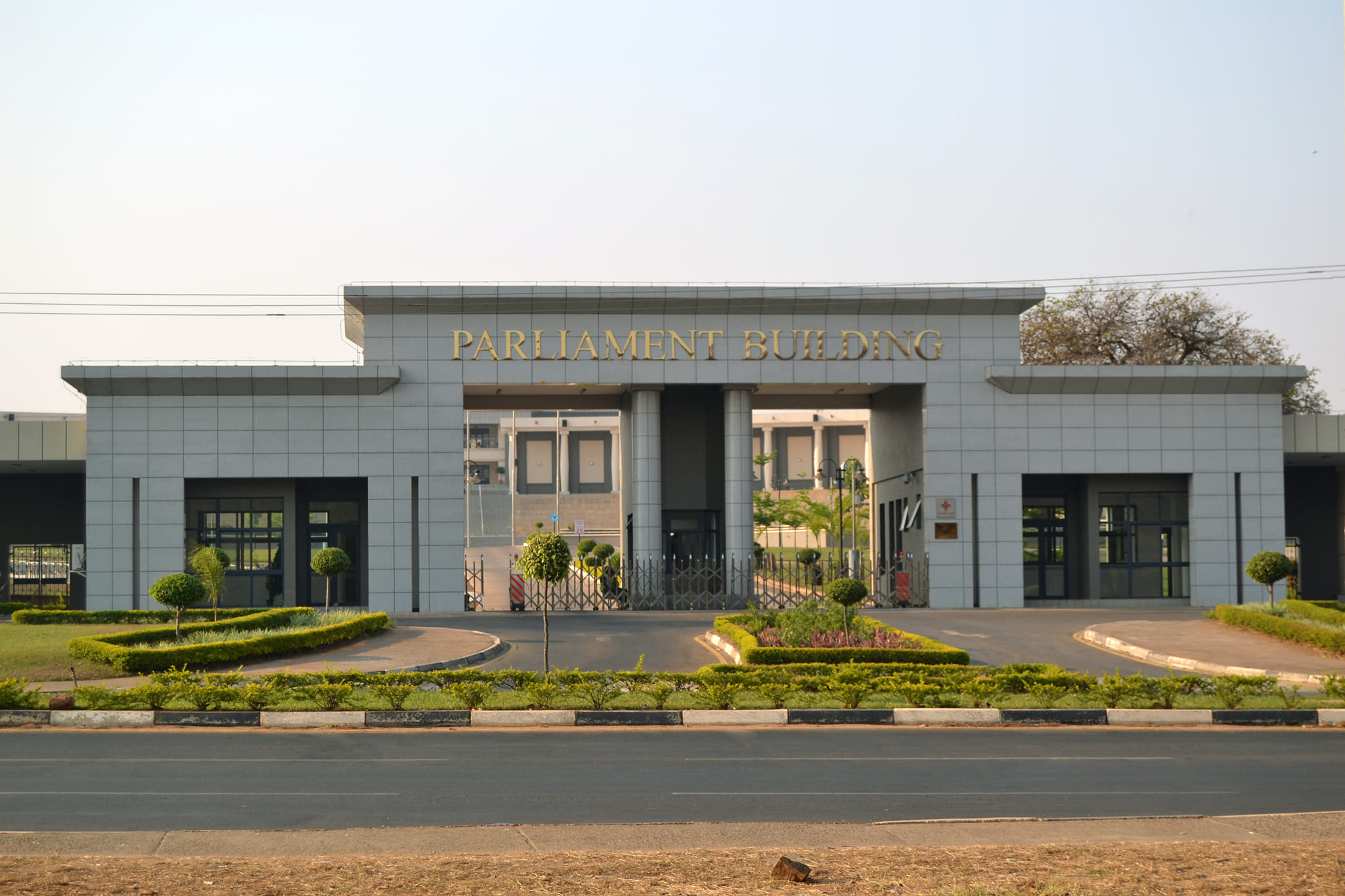
By Malawi Freedom Network
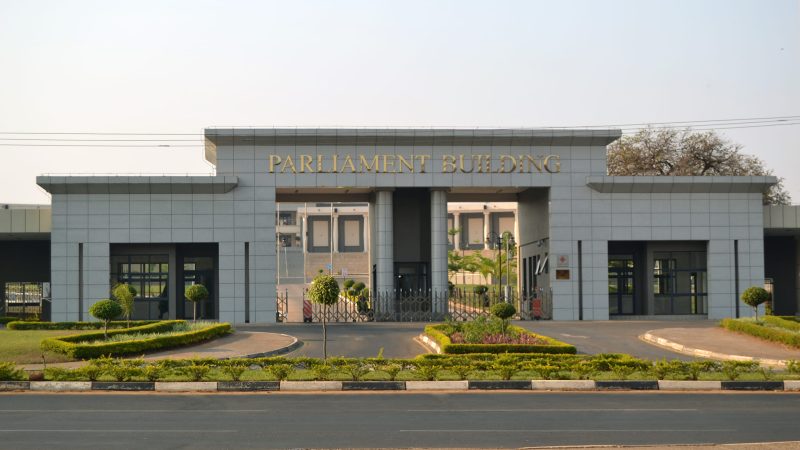
LILONGWE — A fresh political and constitutional debate is unfolding in Malawi over one fundamental question: How far should Parliament go when demanding answers from institutions that manage public money and deliver essential services?
The debate has intensified after Speaker of the National Assembly Sameer Suleman announced a programme of parliamentary inquiries covering 12 areas of national concern, including the National Oil Company of Malawi (NOCMA), electricity, mining, fertiliser programmes, pensions, passport services, prisons, fuel transportation, water projects and procurement.
The Speaker said Parliament has a responsibility to ensure that public institutions account for their performance and that national resources are used for the benefit of Malawians.
But the initiative has also triggered political and legal resistance.
The Democratic Progressive Party (DPP) has warned that parliamentary oversight should not become an alternative centre of executive authority, while a private citizen, Austin Mkoka, has approached the High Court seeking judicial review of Parliament’s proposed investigations.
That has transformed what initially appeared to be an accountability exercise into a much bigger constitutional argument.
The central question is no longer simply what Parliament wants to investigate.
It is whether powerful institutions and political actors are prepared to accept scrutiny when that scrutiny becomes uncomfortable.
Parliament’s constitutional mandate
The Constitution of Malawi gives Parliament significant powers to establish committees and conduct investigations.
Section 56 allows the National Assembly to establish committees and joint committees for the performance of its functions. More importantly, the Constitution provides that Parliament and its committees may conduct investigations and subpoena people or office holders where their attendance is required for the proper exercise of parliamentary functions.
That is important because parliamentary oversight is not simply a political slogan.
It is part of the institutional architecture of democratic government.
Parliament is expected to make laws, represent citizens and scrutinise the performance of government.
In financial matters, Parliament’s oversight role is even more explicit. The Public Audit Act gives the relevant parliamentary committee access to government records concerning revenue, expenditure, public money and public resources. It can also require people controlling such records to produce them for an inquiry.
Therefore, asking questions about public money is not automatically an attack on the Executive.
It is one of the mechanisms through which citizens exercise indirect control over government.
So why does oversight become controversial?
The problem begins when oversight moves from general accountability to specific institutions, contracts, decisions and individuals.
An inquiry into electricity supply can potentially raise questions about procurement, management, contracts and expenditure.
An inquiry into NOCMA can raise questions about fuel procurement, transportation, payments and governance.
An inquiry into passports can expose weaknesses in public service delivery.
A review of pensions can affect institutions, administrators and officials.
A probe into mining can touch powerful commercial interests.
This is where parliamentary oversight can become politically uncomfortable.
It is relatively easy for politicians to support the principle of accountability when they are in opposition.
The real test comes when the institutions being scrutinised fall under a government they support.
The political dilemma
The current controversy exposes an uncomfortable reality of African politics: political parties often demand strong institutions when they are outside government, but become more defensive of the Executive once they control state power.
That creates a dangerous contradiction.
If Parliament is expected to investigate only when the government is unpopular, then oversight becomes political theatre rather than a constitutional function.
But if Parliament is allowed to investigate every institution without observing constitutional boundaries, due process and proper procedures, oversight itself can become vulnerable to abuse.
That is why both sides of the debate have legitimate questions.
Those defending Parliament are asking:
If public institutions have nothing to hide, why should they fear legitimate parliamentary scrutiny?
Those questioning the Speaker are asking:
Does Parliament have unlimited authority to investigate every operational decision made by government institutions?
Both questions deserve serious answers.
The Speaker versus the party
The political temperature increased after DPP Secretary General Peter Mukhito criticised the tone and scope of the parliamentary oversight initiative.
Mukhito argued that Parliament’s oversight role must be respected but also maintained that officials occupying positions within government must respect the constitutional mandate of President Arthur Peter Mutharika and the authority of the Executive.
Speaker Suleman subsequently pushed back against the criticism, saying he communicates directly with President Mutharika and would continue performing his parliamentary responsibilities.
This raises another fundamental issue:
Does a Speaker owe primary loyalty to the political party that helped elect him, or to the institution of Parliament and the Constitution?
The answer should be straightforward in a constitutional democracy.
The Speaker presides over Parliament as an institution.
Party affiliation does not erase constitutional responsibilities.
If parliamentary oversight stops whenever the governing party becomes uncomfortable, then the independence of Parliament becomes questionable.
But Parliament must also stay within the law
Defending parliamentary oversight does not mean giving Parliament unlimited power.
There are legitimate concerns about the distinction between oversight and criminal investigation.
Parliament can investigate administrative performance, expenditure, policy implementation and the use of public resources. But criminal investigations remain primarily the responsibility of law-enforcement and prosecutorial institutions.
Some critics have therefore questioned language suggesting that Parliament should “behave like police” when following public resources. One analysis argued that this could blur the institutional boundary between legislative oversight and law-enforcement functions.
That criticism cannot simply be dismissed.
Parliament must be powerful enough to hold government accountable, but disciplined enough to remain within its constitutional mandate.
Otherwise, today’s defence of parliamentary independence could become tomorrow’s argument for institutional overreach.
The court challenge
The legal challenge brought by Austin Mkoka has added another layer to the dispute.
Mkoka is asking the High Court to determine whether Parliament has the constitutional authority to establish the proposed ad-hoc committees and conduct the investigations. He has also sought an interim order stopping the inquiries pending determination of the case.
The case is therefore potentially bigger than the individuals involved.
The court could ultimately be asked to clarify the boundaries between Parliament’s oversight powers and the functions of other branches and institutions of government.
That clarification could have consequences well beyond the current 12 inquiries.
What should Malawians demand?
The public should not be forced to choose between Parliament and government.
The real issue should be whether Malawi’s institutions are functioning properly.
If Parliament has received credible complaints about public resources, service delivery or institutional performance, those complaints deserve to be properly examined.
If Parliament exceeds its constitutional mandate, that too should be challenged through lawful mechanisms.
And if government institutions have evidence showing that allegations are false, they should be allowed to present that evidence publicly.
That is how accountability works.
Not through intimidation.
Not through political loyalty.
Not through secrecy.
And not through assumptions that every investigation is automatically a political attack.
Oversight should not depend on who is in power
Perhaps the most important lesson from the current dispute is that parliamentary oversight should not be treated as a weapon belonging to the opposition or as an inconvenience imposed on the government.
It belongs to the constitutional system.
Today’s governing party may be tomorrow’s opposition.
Today’s opposition may eventually occupy government.
The institutions, however, remain.
That is why Malawi needs parliamentary oversight that is independent, evidence-based, transparent and firmly grounded in law.
Parliament should be able to ask difficult questions.
Government should be able to answer them.
Public institutions should be able to defend their decisions.
And the courts should be able to determine genuine constitutional disputes.
That is not a crisis.
That is democracy working.
The real question
The question, therefore, should not simply be:
“Why are some senior officials afraid of Parliament?”
It should be:
“Can Malawi build institutions strong enough to withstand scrutiny without turning every investigation into a political war?”
If parliamentary committees uncover wrongdoing, the evidence should speak.
If they find no wrongdoing, that should also be reported.
And if Parliament gets its powers wrong, the Constitution and courts should provide the remedy.
What Malawians should reject is a system in which public accountability becomes acceptable only when it targets political opponents.
Because public money has no political party.
Public institutions do not belong to individual politicians.
And parliamentary oversight, when properly exercised, is ultimately about one thing:
protecting the interests of the people who own the Republic of Malawi.
Read also: Basketball Offers Hope for Youth Empowerment and Economic Growth — BAM
Read also: President Chakwera meets Chinese President Xi Jinping
Read also: Anti-Corruption Champions Mobilised in Eastern Region Ahead of 2025 Elections