
 Malawi Freedom Network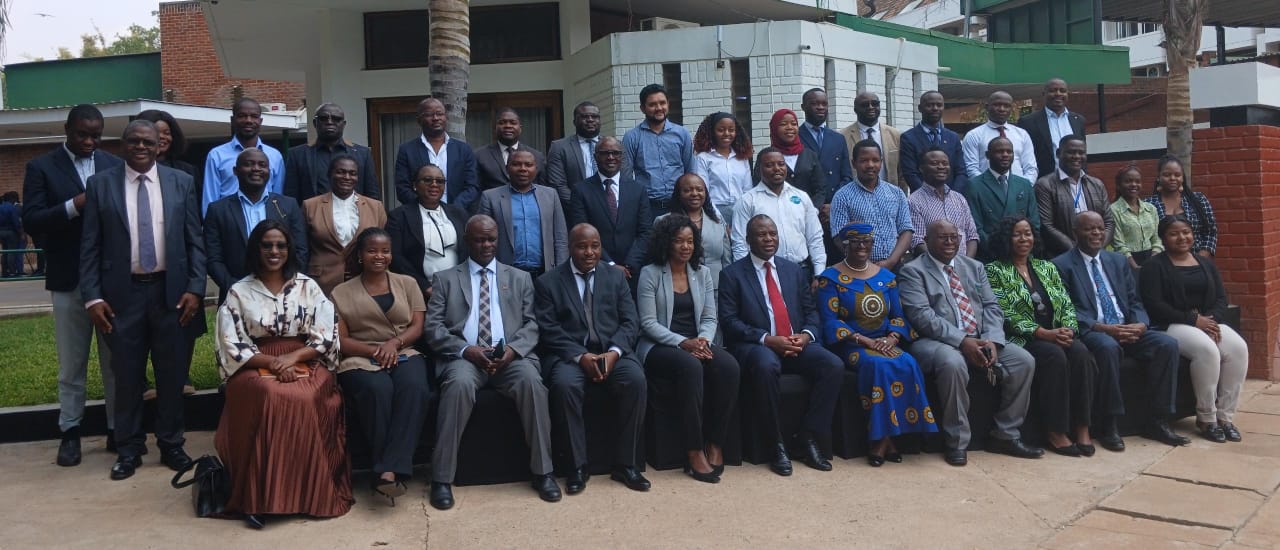
By Brighton Tchongwe
Malawi has reaffirmed its commitment to industrialisation, describing it as key to economic growth, job creation and poverty reduction.
Principal Secretary for Industrialisation, Dr Bright Molande, made the remarks in Lilongwe on Monday during a national workshop on regional studies on innovative climate action to accelerate green industrialisation in Southern Africa.
Molande said government is determined to transform Malawi into a producing and exporting nation through increased manufacturing and industrial development.
He said the private sector has a critical role to play in industrialisation, while government must create a conducive environment for businesses to thrive.
Molande outlined five priority areas for driving industrialisation, including strengthening partnerships between universities, government and the private sector, scaling up manufacturing-focused small and medium enterprises, leveraging mining opportunities, expanding existing industries and attracting foreign direct investment.
“Malawi’s industrialisation must be environmentally sustainable, saying the country is pursuing green industrialisation that creates jobs and wealth while protecting natural resources,” said Malonde.
Molande said Malawi’s Revised National Industrial Policy recognises the importance of environmentally sustainable and climate-resilient industrial development.
He added that clean energy, innovation, technology transfer, support for micro, small and medium enterprises, and the circular economy are critical to making Malawian products competitive on the global market.
Meanwhile, the United Nations Economic Commission for Africa, UNECA, has called for increased investment in green industrialisation to accelerate Malawi’s economic transformation.
ECA Director Eunice Kamwendo said Malawi should take advantage of the African Continental Free Trade Area to access larger markets and participate in regional value chains.
“Malawi needs policies that provide certainty for investors, reliable and affordable energy, appropriate financing, skills and technology, as well as stronger links to domestic, regional and international markets,” said Kamwendo.
She said UNECA remains committed to supporting Malawi through research, technical assistance, policy advice and regional cooperation.