
 Malawi Freedom Network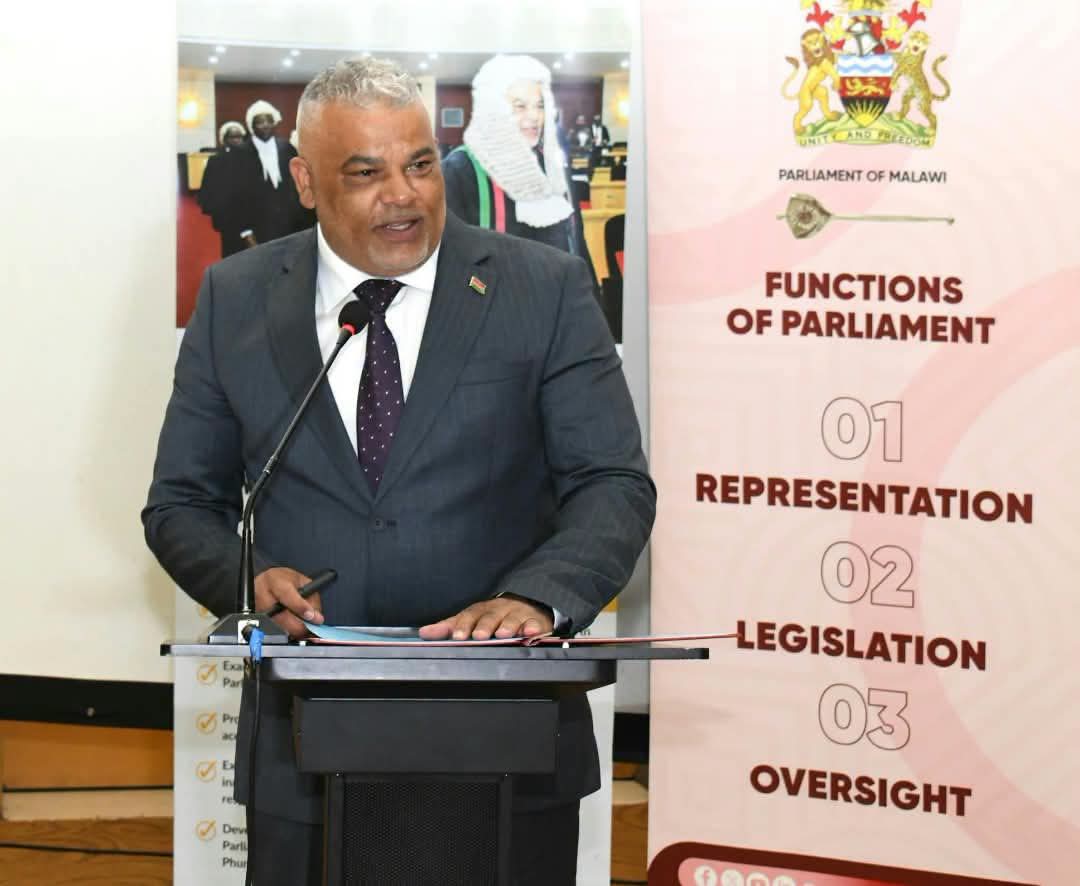
By Our Reporter
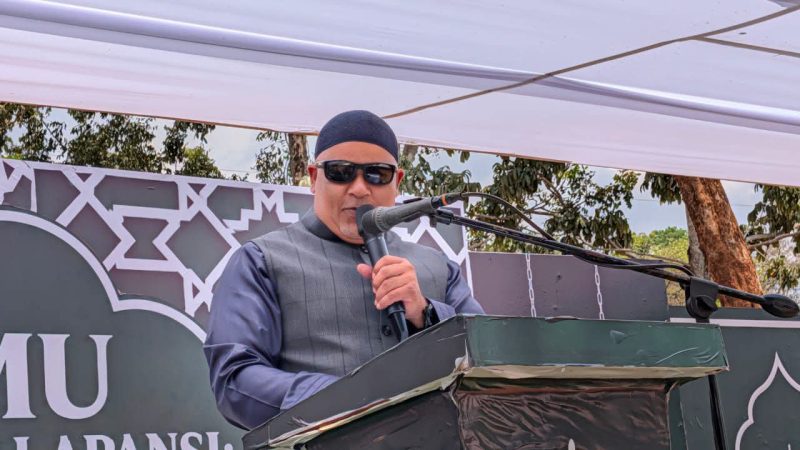
Public Affairs Committee (PAC) has thrown its weight behind Speaker of the National Assembly Sameer Suleman, defending his push for non-partisan parliamentary committees to investigate growing public concerns over the management of government ministries, departments and agencies.
PAC says the proposed committees are not an attack on government, but a necessary exercise of Parliament’s constitutional oversight role aimed at strengthening transparency, accountability and service delivery.
Speaking to Zodiak Online today, PAC spokesperson Gilford Matonga said Parliament has a clear responsibility to scrutinise how public institutions are being run in a democratic dispensation.
Matonga argued that the committees would provide an important system of checks and balances, particularly at a time when Malawians are raising concerns over the performance of critical public services.
He said effective oversight should not be interpreted as political hostility towards the Executive, stressing that Parliament exists to represent the interests of citizens and ensure that those entrusted with public responsibilities remain accountable.
“The issue at hand must not be politicised,” Matonga said, while acknowledging that the Democratic Progressive Party (DPP), as a political organisation, has the right to hold its own view on the Speaker’s position.
However, Matonga stressed that the Speaker’s responsibility goes beyond party politics because he presides over a Parliament whose members were elected by Malawians across the political divide.
The remarks come amid growing political tension over Suleman’s approach to parliamentary oversight, with the DPP criticising his recent interventions and accusing him of going beyond his mandate.
PAC has rejected that interpretation, maintaining that scrutiny of government institutions is an essential pillar of democratic governance.
Political expert George Phiri also dismissed suggestions that Suleman has overstepped his constitutional mandate or sought to undermine President Arthur Peter Mutharika.
According to Phiri, the Speaker is instead seeking to ensure that public officials and institutions entrusted with specific responsibilities exercise their powers within the limits of their mandates.
The debate has therefore shifted beyond a disagreement between political actors to a fundamental question about how Malawi’s democratic institutions should hold each other accountable.
For PAC and Phiri, parliamentary oversight should not be viewed as a threat to government authority. Rather, they argue, it is one of the mechanisms designed to prevent abuse of power, expose weaknesses in public administration and ensure that government institutions remain answerable to the people.
As pressure mounts over the performance of some public institutions, the confrontation has placed a sharper spotlight on the relationship between Parliament and the Executive—and on whether calls for greater accountability will be allowed to proceed without being reduced to partisan political battles.
At the centre of the controversy is a simple democratic principle: public institutions exercise power on behalf of Malawians, and that power must remain subject to scrutiny.