
 Suleman Chitera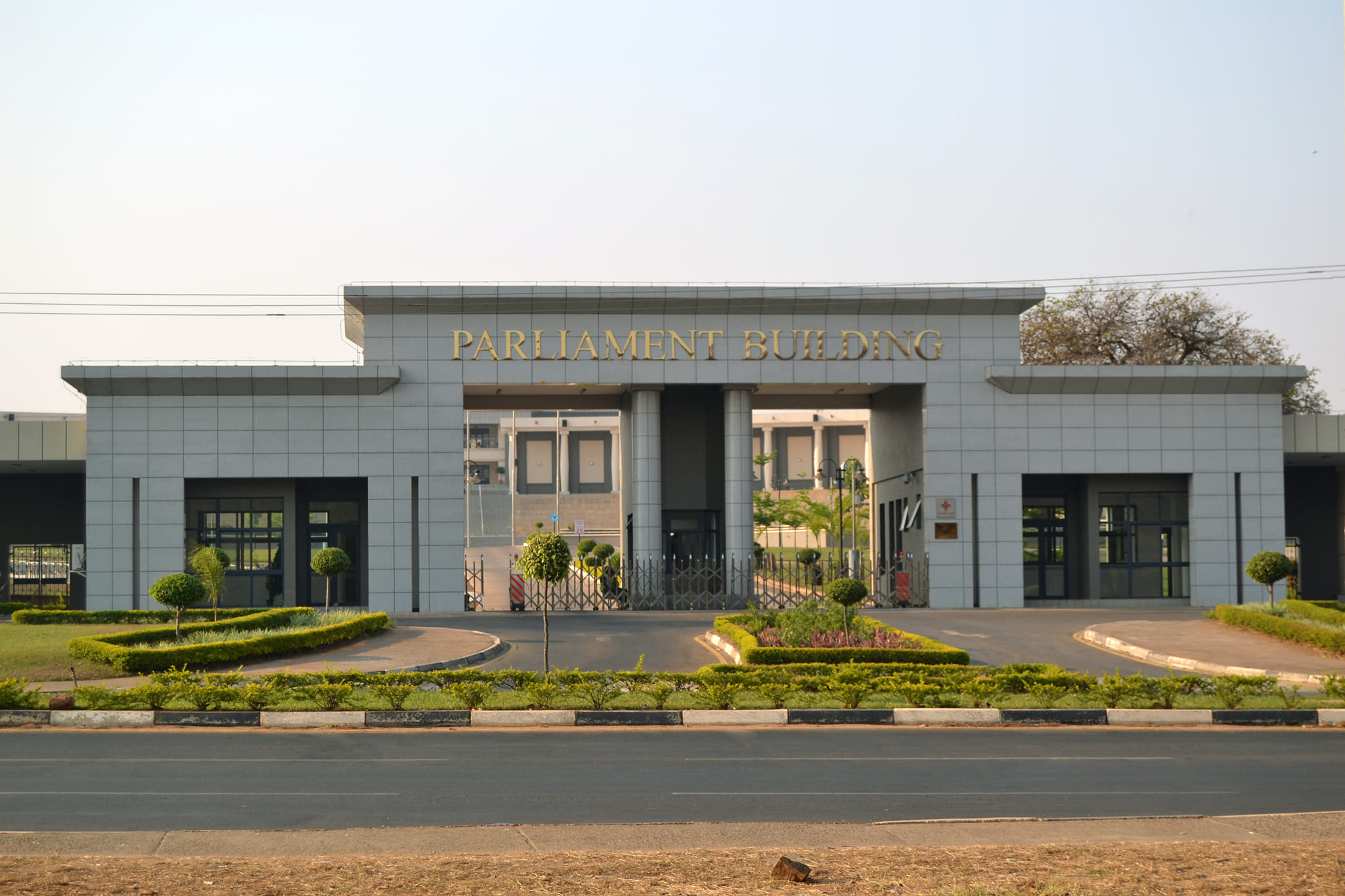
By Malawi Freedom Network
Malawi’s Parliament has opened a potentially far-reaching accountability drive, establishing 12 joint parliamentary committees to investigate issues ranging from fuel procurement and suspected fraud to electricity, pensions, mining, passports, prisons and major public projects.
The inquiries, announced by Speaker of the National Assembly Sameer Suleman, come amid growing public concerns over the management of public resources and the delivery of essential services.
Parliament says the investigations are intended to establish facts, identify weaknesses and recommend corrective measures—not to convict individuals before evidence is heard.
But the scale of the exercise raises a bigger question:
What exactly is Parliament trying to uncover—and will the investigations finally produce consequences?
1. NOCMA and the alleged K700 million fraud
One of the most closely watched inquiries concerns the National Oil Company of Malawi (NOCMA) and an alleged fraudulent transfer of about K700 million.
Parliament wants to understand how banking details connected to a transaction were changed, who authorised those changes and whether internal controls were followed.
The issue has already attracted police and anti-corruption scrutiny.
The parliamentary investigation could therefore go beyond identifying what happened to one payment. It could expose whether Malawi’s public institutions have adequate safeguards to prevent fraudulent transactions.
The central question is simple:
How can hundreds of millions of kwacha leave a public institution without the warning systems stopping it?
2. Who really benefits from Malawi’s fuel transportation business?
Parliament is also examining the involvement of local and foreign transporters in fuel imports.
According to figures presented by the Speaker, between January and June 2026, NOCMA used local transporters for 788 trips, representing 16 percent, while foreign transporters handled 4,080 trips, or 84 percent.
The figures have raised questions about whether Malawian transport companies are receiving a fair share of business in one of the country’s most strategically important sectors.
The committee will have to determine whether the current arrangements represent value for money and whether there are legitimate reasons for the huge difference between local and foreign participation.
3. The stalled Salima-Lilongwe Water Supply Project
Another major inquiry concerns the Salima-Lilongwe Water Supply Project, which has faced delays.
Parliament says it has received allegations of inadequate funding and possible obstruction by senior officials, including claims that some officials demanded kickbacks.
Those are allegations that must be tested through evidence.
But if the investigation establishes wrongdoing, the consequences could be serious.
The bigger issue is why a project intended to address Malawi’s water challenges should remain delayed while communities continue struggling for reliable water supplies.
4. Are pensioners getting what they are owed?
Parliament will also investigate the administration of pensions.
Concerns include delays in accessing benefits under the contributory pension scheme, funding challenges and the management of public service pension funds.
For thousands of Malawians, pensions are not an abstract government policy.
They are the money people depend on after decades of public service.
The committee therefore faces a critical question:
Why should a person who has contributed to a pension scheme spend months or years fighting to access their own benefits?
5. What is happening at Blantyre Water Board?
The Blantyre Water Board (BWB) procurement and governance controversy is another issue Parliament intends to examine.
The inquiry will look at the procurement of water meters and concerns surrounding the relationship between the board and its chief executive, as well as the integrity of a procurement process supported by the World Bank.
The investigation comes at a time when water supply remains a major concern for residents.
Parliament must therefore establish whether procurement and governance disputes are affecting service delivery—and whether public money is being properly protected.
6. Has electricity unbundling actually worked?
Malawi’s electricity sector will come under the microscope.
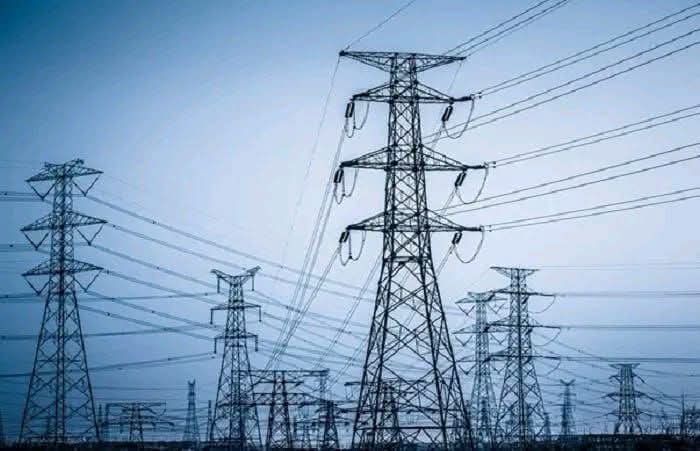
Parliament intends to examine whether the restructuring of the sector—including the roles of ESCOM, EGENCO and Power Market Limited—has improved efficiency and service delivery.
The committee will also examine prolonged blackouts, equipment failures, maintenance problems, delays in obtaining spare parts and alternative generation projects.
For ordinary Malawians, the issue is straightforward.
They want electricity.
Businesses want reliable power.
Hospitals and schools need dependable electricity.
So Parliament’s investigation must ultimately answer whether the current institutional structure is delivering better results—or whether Malawi needs another approach.
7. Why are Malawians struggling to obtain passports?
Passport services will also face parliamentary scrutiny following complaints about long queues, delays and allegations of corruption or demands for improper payments.
A passport is not a luxury.
Malawians need passports for employment, education, business, medical treatment and international travel.
Parliament will therefore need to establish whether the problems are caused by inadequate resources, administrative failures, corruption, technology problems—or a combination of factors.
8. Why are court cases taking so long?
Parliament is also turning its attention to the justice system.
The inquiry will examine delays in concluding cases and delivering judgments, including cases involving people in custody.
This is particularly important because justice delayed can become justice denied.
A person who remains in custody while waiting for a case to conclude is paying a heavy price for delays within the justice system.
Parliament’s task should be to identify where the bottlenecks are and what resources, reforms or administrative changes are needed.
9. Are Malawi’s prisons fit for purpose?
Conditions in prison formations across the country are another subject of parliamentary scrutiny.
The inquiry could examine overcrowding, access to basic services, healthcare, food, infrastructure and the treatment of prisoners.
The test should not be whether Parliament produces another report.
The test should be whether conditions actually improve after the report.
10. Who is benefiting from Malawi’s mineral wealth?
Mining could become one of Malawi’s biggest sources of economic transformation—but only if the country receives a fair return from its resources.
Parliament will investigate mining agreements, regulation, revenue collection and concerns surrounding informal mining.
The fundamental question is:
Are Malawi’s mineral resources making Malawians richer—or are the biggest benefits leaving the country?
The committee should examine contracts, royalties, taxation, environmental obligations, local participation and the benefits reaching communities where mining takes place.
11. What happened to tobacco held under the fertiliser revolving fund?
Parliament will also investigate the proposed sale of tobacco held by the Smallholder Farmers Fertiliser Revolving Fund of Malawi (SFFRFM).
This inquiry could reveal whether the process represents sound financial management and whether farmers’ interests are being adequately protected.
Agriculture remains the backbone of Malawi’s economy, making accountability within agricultural institutions particularly important.
12. Are fertiliser coupons reaching the right farmers?
The final major issue is the distribution of fertiliser coupons.
Parliament wants to examine the system used to identify and distribute agricultural inputs to beneficiaries.
This is especially important because fertiliser subsidy programmes consume significant public resources and directly affect food production.
The committee will need to establish whether the system prevents duplication, leakage, favouritism and the exclusion of deserving farmers.
The bigger question: Will anything change?
Perhaps the most important issue facing Parliament is not the number of investigations.
It is what happens after the investigations.
Malawi has seen parliamentary committees conduct inquiries before.
Reports can be written.
Recommendations can be made.
Officials can be summoned.
But if nothing changes afterwards, parliamentary investigations risk becoming another political spectacle.
That is why these 12 inquiries represent a major test for the National Assembly.
Speaker Sameer Suleman has said the committees should be effective rather than ceremonial. The investigations are expected to be evidence-based and reports presented at the forthcoming mid-year budget meeting.
That creates an important responsibility.
Parliament must follow the evidence wherever it leads.
If an institution failed, Parliament should say so.
If public money was lost, Parliament should establish how and why.
If systems failed, Parliament should recommend how to fix them.
If allegations are false, those allegations should also be cleared.
And if individuals are found to have acted improperly, the appropriate authorities should be expected to act.
A test of Parliament itself
The 12 investigations are therefore bigger than NOCMA, fuel, electricity, pensions or mining.
They are a test of whether Malawi’s Parliament can exercise meaningful oversight over public institutions.
They are also a test of whether parliamentary committees can investigate sensitive matters without turning them into political witch-hunts.
An allegation is not proof.
A parliamentary inquiry is not a criminal conviction.
Every person or institution affected by an investigation deserves an opportunity to respond.
But accountability also requires courage.
Malawians have a right to know how public institutions are performing and how public resources are being managed.
The country now waits for the evidence.
The committees have been created. The questions have been asked.
The real story will be whether Parliament has the determination to follow the answers—and whether government institutions will act on what Parliament discovers.