
 Malawi Freedom Network
By Contributor
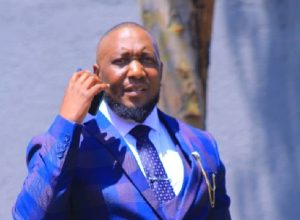
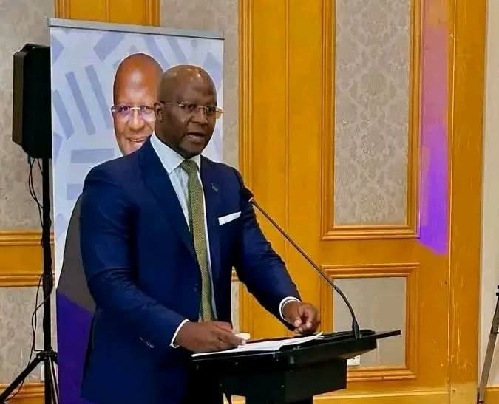
The Democratic Progressive Party (DPP) has launched a strong political counterattack against Speaker of the National Assembly Sameer Suleman, warning that Parliament must exercise oversight without turning itself into what the party describes as an alternative centre of executive authority.
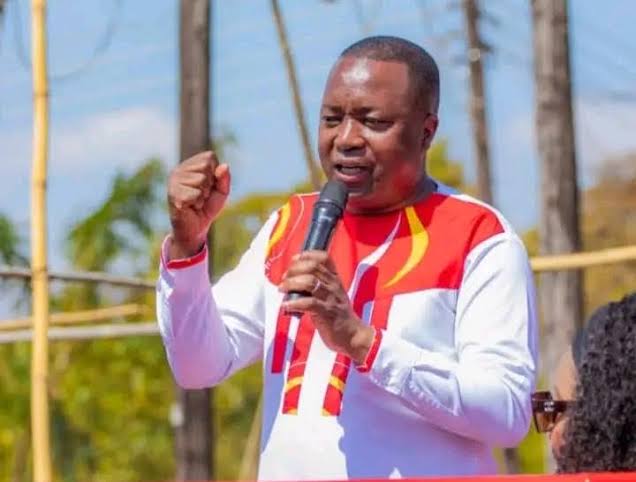
The sharp statement, signed by DPP Secretary General Peter Mukhito, comes just days after Suleman publicly raised concerns over a string of national issues, including electricity, NOCMA, passports, delayed court judgments, prison conditions, mining, agriculture and tobacco.
While acknowledging that the concerns are matters of national importance, the DPP says they must be addressed through institutions legally and constitutionally mandated to investigate problems and take corrective action.
The party’s response, however, goes beyond the individual issues raised by Suleman, touching directly on the balance of power between Parliament, the Executive and the ruling party.
DPP: Oversight must not become a power struggle
Mukhito says Parliament has an important constitutional oversight role, but insists that the Executive must be given room to govern.
The party argues that accountability should strengthen government rather than paralyse it.
“Accountability should strengthen government, not paralyze it. Oversight should expose and correct weaknesses, not become an alternative centre of executive authority,” the statement says.
The warning is likely to intensify an already sensitive debate over how far Parliament can go in publicly challenging the Executive on failures affecting Malawians.
The DPP says it will not oppose legitimate oversight and will not protect wrongdoing.
But it draws a line at what it considers conduct capable of weakening President Arthur Peter Mutharika’s authority or creating competing centres of power within the government.
Party discipline enters the battle
The DPP has also reminded its leaders that party discipline must be respected, adding another political dimension to the confrontation.
The party says it will not accept conduct that unnecessarily drags the DPP and government into public confrontation.
According to Mukhito, Malawians voted for the DPP to govern, and the party’s responsibility is to remain united and focused on delivering development and improving public services.
The statement therefore sends a blunt message to party officials: raising legitimate concerns is one thing, but publicly challenging the authority of the President and government is another.
Suleman’s concerns put government under pressure
Suleman’s intervention had placed several government shortcomings under the spotlight, particularly issues affecting essential services and public institutions.
The DPP’s response appears aimed at drawing a clear constitutional boundary between Parliament’s oversight responsibilities and the Executive’s mandate to run government.
But the language used by the ruling party could also fuel further political debate over whether strong parliamentary scrutiny is being viewed as an attack on presidential authority.
For now, the DPP insists it wants oversight—but not a parallel power structure.
The political battle over who should question government, how far that questioning can go, and where party discipline ends and constitutional independence begins is unlikely to disappear anytime soon.