
 Malawi Freedom Network
 By Out Reporter
Malawi has launched a new Sustainable Financing Strategy for Social Protection, marking a major step towards reducing the country’s dependence on donor funding and safeguarding critical support for vulnerable households against economic and fiscal shocks.
The strategy, launched on Friday, seeks to strengthen domestic financing for social protection while creating innovative funding options capable of sustaining programmes that millions of vulnerable Malawians depend on.
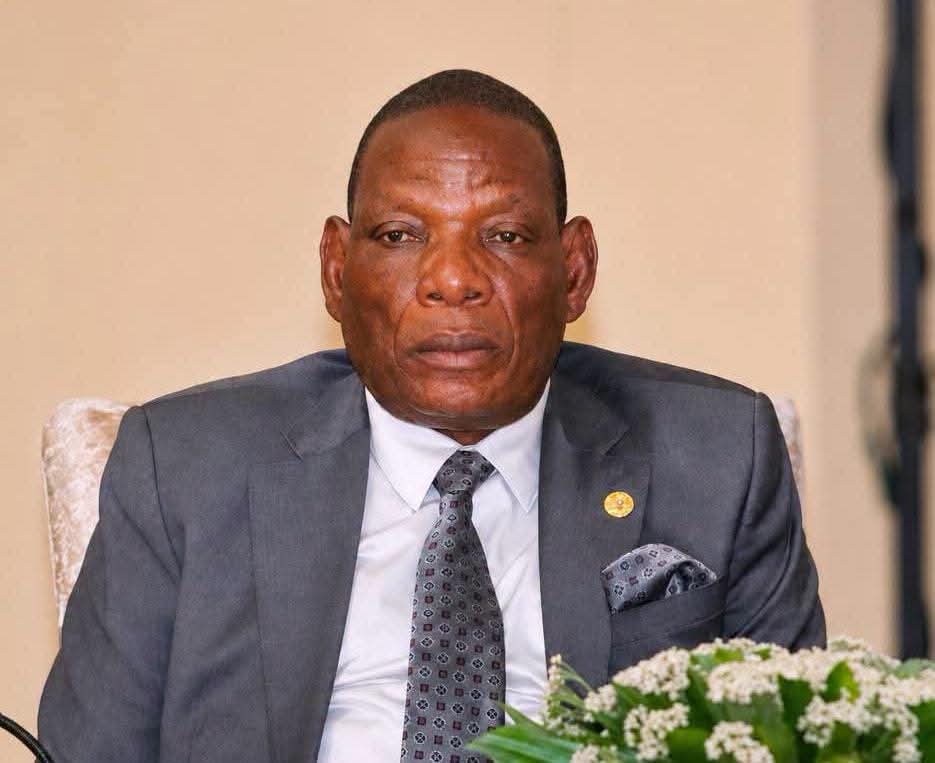
Finance, Economic Planning and Decentralisation Minister Joseph Mwanamvekha said the government had already begun increasing its financial contribution to the Social Cash Transfer Programme, with the state now directly financing the programme in five districts.
However, he acknowledged that the wider social protection budget remains heavily dependent on development partners, making the search for sustainable financing an urgent national priority.
“We must ensure that social protection is not disrupted whenever the country faces fiscal pressure or changes in donor support.”
Mwanamvekha said social protection should no longer be viewed simply as government expenditure, but as a strategic investment in Malawi’s human capital and long-term economic development.
He said programmes supporting vulnerable households help tackle poverty and inequality while improving nutrition, keeping children in school and strengthening the ability of families to withstand economic shocks.
350,000 households receiving cash transfers
Gender, Children, Disability and Social Welfare Minister Mary Navicha also called for greater domestic investment in social protection, arguing that Malawi cannot build a resilient society while critical programmes remain overwhelmingly dependent on external financing.
Navicha said the Social Cash Transfer Programme currently reaches approximately 350,000 labour-constrained households, providing essential assistance to families that have limited capacity to generate income.
She stressed the need for Malawi to explore innovative financing mechanisms to ensure that the programme and other social protection interventions remain reliable and sustainable.
The call comes at a time when vulnerable households face mounting economic pressures, including rising living costs, climate-related shocks and limited livelihood opportunities.
World Bank calls for stronger economic resilience
World Bank Country Manager for Malawi Abdu Muwonge reaffirmed the institution’s commitment to supporting the country’s social protection agenda.
Muwonge, however, urged Malawi to go beyond financing alone and strengthen climate resilience while pursuing macroeconomic stability.
Climate-related disasters, including droughts, floods and other shocks, can rapidly increase the number of households requiring social assistance, placing additional pressure on an already constrained national budget.
He therefore stressed the importance of building an economic and social protection system capable of responding to shocks without undermining long-term development priorities.
A shift towards greater national ownership
The Sustainable Financing Strategy provides Malawi with a framework for identifying and combining domestic and external sources of financing for social protection.
It also emphasises fiscal discipline, debt sustainability and efficient public spending, recognising that sustainable social protection requires both adequate resources and responsible management of public finances.
The strategy is aligned with the country’s long-term development ambitions under Malawi 2063, which places human capital development, poverty reduction and inclusive economic growth at the centre of the national transformation agenda.
For Malawi, the launch represents more than the introduction of another government policy. It signals an attempt to build a social protection system that can withstand changes in donor financing, economic downturns and climate shocks.
Protecting the most vulnerable
Social protection programmes have become an important lifeline for households facing extreme poverty and economic vulnerability.
For many families, cash transfers can help secure food, meet basic household needs, keep children in school and provide a degree of protection when livelihoods are disrupted.
But the government faces a difficult balancing act: it must expand support to vulnerable citizens while operating within a constrained fiscal environment and managing competing national priorities.
The new financing strategy therefore places greater emphasis on domestic resource mobilisation, innovative financing, efficient expenditure and stronger coordination between government and development partners.
If successfully implemented, the strategy could gradually shift Malawi towards a social protection model where domestic resources provide a stronger foundation, while donor support complements rather than sustains the system.
The ultimate test, however, will be implementation.
With approximately 350,000 labour-constrained households already benefiting from the Social Cash Transfer Programme, ensuring predictable and sustainable financing could determine whether Malawi’s most vulnerable citizens continue receiving support when they need it most.
The government is now expected to translate the strategy into concrete financing measures that can protect social protection programmes from future fiscal shocks while advancing Malawi’s broader ambition of building a resilient, inclusive and prosperous nation.