
 Malawi Freedom Network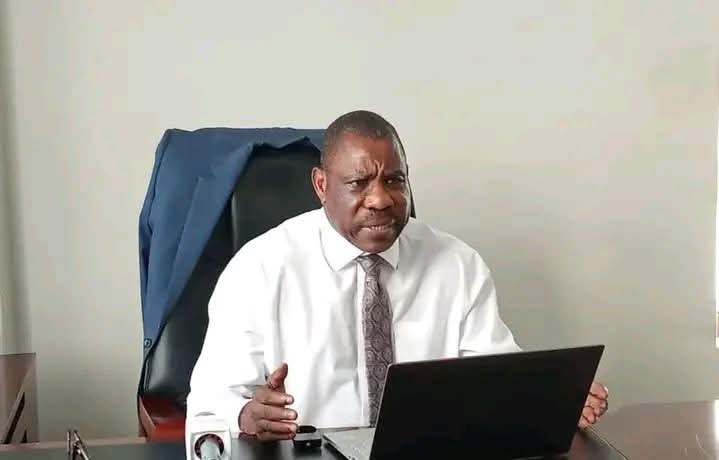
By MFN News Desk Team
Malawi Freedom Network | 9 October 2026
Malawi’s persistent fuel shortage has come under renewed scrutiny after Consumers Association of Malawi (CAMA) Executive Director John Kapito warned that black-market fuel prices have surged to between K15,000 and K20,000 per litre, as the National Oil Company of Malawi (NOCMA) invites suppliers to bid for approximately 440,000 metric tonnes of refined petroleum products.
The developments have intensified calls for urgent government intervention, greater transparency in fuel distribution and stronger enforcement against the alleged diversion of fuel from authorised filling stations to the black market.
Kapito says the continuing shortage is disrupting transport services, increasing pressure on consumers and hurting small businesses that depend on reliable fuel supplies to operate.
Meanwhile, NOCMA’s latest procurement invitation signals an effort to secure substantial volumes of refined petroleum products through supply routes serving Malawi from Mozambique and Tanzania.
However, consumers will be looking for answers to a critical question: When will fuel supplies stabilise, and when will motorists be able to buy fuel at authorised filling stations without facing long queues or resorting to the black market?
CAMA Demands Urgent Government Action on Fuel Shortage
Kapito has called on the government and relevant regulatory institutions to take immediate action to address the persistent fuel scarcity, warning that the situation is exposing consumers to excessive prices and unnecessary economic hardship.
According to Kapito, black-market sellers are charging between K15,000 and K20,000 per litre, placing additional pressure on motorists, public transport operators and businesses already struggling with operating costs.
The reported prices raise concerns about the affordability of transport and the cost of moving goods and services across the country.
For public transport operators, higher fuel costs can translate into pressure to increase fares. For traders and small businesses, expensive or unreliable fuel supplies can increase delivery costs, interrupt operations and reduce profit margins.
Households may also feel the impact through higher transport expenses and increases in the cost of goods moved from farms, markets and distribution centres.
CAMA is therefore urging authorities to treat the fuel shortage as an urgent consumer protection and economic stability issue rather than allowing the situation to persist without clear public communication.
CAMA Wants NOCMA and MERA to Publish Daily Fuel Stocks
One of Kapito’s central demands is greater transparency from the National Oil Company of Malawi and the Malawi Energy Regulatory Authority (MERA).
CAMA wants the two institutions to improve public communication about fuel availability and distribution, including publishing daily stock levels.
Such information could help motorists, transport operators and businesses understand the supply situation and make better decisions about when and where to obtain fuel.
Regular updates could also help reduce uncertainty and speculation, particularly when reports of shortages spread across different districts.
For consumers, the key questions include how much fuel is available nationally, how much is being distributed, which areas are receiving deliveries and when further supplies are expected.
Publishing reliable figures would allow the public to distinguish between a shortage caused by insufficient national supplies and problems associated with distribution or access at individual filling stations.
However, stock figures alone would not resolve the crisis. Consumers also need timely information about deliveries, distribution schedules and any measures being taken to restore normal supplies.
CAMA’s call therefore places accountability and public communication at the centre of the response to Malawi’s fuel shortage.
Alleged Fuel Diversion to the Black Market Raises Concerns
Kapito has also urged authorities to investigate filling stations allegedly diverting fuel to the black market and take appropriate action where wrongdoing is established.
The allegation raises questions about whether fuel intended for distribution through authorised channels is reaching consumers as expected.
If fuel is being diverted from legitimate distribution channels, it could worsen shortages at filling stations while creating opportunities for unauthorised sellers to charge substantially higher prices.
However, allegations of diversion require proper investigation. Authorities need to establish the facts, identify any breaches of regulations and ensure that enforcement measures are based on verifiable evidence.
MERA, as the industry regulator, has a central role in monitoring compliance with applicable fuel-sector requirements. NOCMA, meanwhile, has an important role in petroleum procurement and supply arrangements.
A coordinated response could include reviewing delivery records, comparing allocations with actual station receipts, investigating credible complaints and taking action against any confirmed violations.
Consumers also need a clear mechanism for reporting suspected fuel diversion or unfair trading practices.
Effective enforcement would help protect consumers while supporting legitimate fuel suppliers and filling-station operators.
NOCMA Invites Bids for Approximately 440,000 Metric Tonnes of Fuel
Amid the public concern, NOCMA has invited sealed bids from eligible suppliers for approximately 440,000 metric tonnes of refined petroleum products.
The procurement notice identifies supply routes through the ports of Beira and Nacala in Mozambique and Dar es Salaam in Tanzania.
The tender is referenced NOC01/ICB/G/FUEL/FY2027/2028.
Interested suppliers have been invited to consult the official tender advertisement for the full procurement requirements and bidding details.
The proposed volume represents a substantial procurement exercise, making the tender an important development to watch as Malawi grapples with persistent fuel shortages.
The use of supply routes through Mozambique and Tanzania also highlights Malawi’s dependence on regional transport and logistics networks to obtain imported petroleum products.
As a landlocked country, Malawi relies on transport corridors connecting it to ports in neighbouring countries. The availability of fuel therefore depends not only on procurement decisions but also on supplier performance, shipping arrangements, transport logistics, financing and distribution within Malawi.
Any disruption at one stage of this chain can affect how quickly petroleum products reach local markets.
Nevertheless, the tender invitation should not automatically be interpreted as confirmation that the fuel crisis will end immediately. The notice concerns the procurement of supplies; the timing and impact of actual deliveries depend on the tender process and subsequent supply arrangements.
The published procurement information also does not, by itself, establish when the fuel will arrive, how it will be allocated or when consumers can expect normal availability at filling stations.
Will NOCMA’s Fuel Tender End the Shortage?
The relationship between NOCMA’s procurement plans and the current shortage is likely to be a major concern for motorists and businesses.
Securing adequate fuel supplies is an essential part of addressing shortages, but procurement must be followed by effective delivery and distribution.
Consumers will want to know whether the volumes being sought will meet immediate demand, replenish depleted stocks or support supply requirements over a longer period.
They will also want clarity on the expected delivery schedule, the quantities of different petroleum products involved and the arrangements for distributing fuel across the country.
The tender reference includes the 2027/2028 financial-year designation, but the available information does not establish the exact delivery timetable or how the procurement relates to immediate shortages.
For this reason, NOCMA and the relevant authorities need to communicate clearly about the purpose of the procurement and the expected timeline for its implementation.
A transparent explanation would help the public understand whether the tender is intended to address an immediate supply gap, provide longer-term security of supply or achieve both objectives.
Fuel Scarcity Is Increasing Pressure on Businesses and Transport
Fuel is a critical input for Malawi’s economy. Its availability affects public transport, freight services, agriculture, manufacturing, retail trade and many other economic activities.
When filling stations cannot reliably supply fuel, transport operators may spend more time searching for available supplies. Businesses that depend on deliveries can experience delays, while traders may face higher costs for moving merchandise.
Small businesses are particularly vulnerable because they often have limited financial reserves to absorb unexpected operating expenses.
The reported black-market prices create an additional burden for operators who cannot suspend their activities while waiting for normal supplies to return.
If transport costs rise, the effects can extend beyond motorists to consumers buying food, household goods and other essential products.
The longer the shortage persists, the greater the risk that supply disruptions will affect business productivity and household budgets.
This is why CAMA is calling for urgent action, with the association highlighting the need to protect consumers from excessive prices and improve access to legitimate fuel supplies.
CAMA Urges Consumers to Avoid Black-Market Fuel
Kapito has advised consumers to avoid purchasing fuel on the black market because of the high prices and potential safety risks.
Apart from the financial burden, fuel sold outside authorised channels may raise concerns about its quality, handling, storage and traceability.
Improper storage or handling of petroleum products can create fire and environmental hazards. Consumers may also have limited recourse if fuel purchased from an unauthorised seller is contaminated or causes damage.
Motorists should therefore prioritise authorised filling stations and follow official safety guidance when handling fuel.
At the same time, authorities must recognise that telling consumers to avoid the black market will be more effective if legitimate supplies are available at accessible locations.
Consumers cannot be expected to rely on authorised channels if shortages continue without credible information about replenishment and distribution.
A lasting response must therefore combine consumer awareness with stronger supply management, transparent communication and effective enforcement.
What Government, NOCMA and MERA Need to Do
The current situation calls for coordinated action focused on restoring supplies, protecting consumers and rebuilding public confidence.
First, publish regular fuel supply updates. NOCMA and MERA should provide accurate information about available stocks, incoming deliveries and distribution progress, where disclosure is appropriate.
Second, investigate suspected diversion. Authorities should examine credible reports of fuel being diverted from authorised channels and publish the outcomes of investigations where legally appropriate.
Third, explain the procurement timetable. NOCMA should clarify the status of the tender, the anticipated supply schedule once established and how the procurement will contribute to national fuel availability.
Fourth, improve distribution monitoring. Relevant institutions should strengthen oversight of allocations and deliveries to help ensure that supplies reach their intended destinations.
Fifth, protect consumers. MERA and other relevant enforcement bodies should address substantiated cases of unlawful trading and communicate how motorists can report suspected abuses.
Finally, maintain consistent public communication. Motorists and businesses need credible updates rather than uncertainty and conflicting reports about where fuel is available.
These measures would not remove every logistical challenge, but they could help identify bottlenecks, reduce opportunities for abuse and improve accountability throughout the supply chain.
What Motorists Should Know
For motorists facing the current shortage, several practical considerations remain important:
- Check official announcements from NOCMA, MERA and other relevant authorities for verified supply information.
- Prioritise authorised filling stations and avoid purchasing fuel from sellers whose products or handling practices cannot be verified.
- Be cautious about unusually high prices and unsafe fuel storage arrangements.
- Report suspected unlawful fuel trading or diversion to the appropriate authorities.
- Avoid stockpiling fuel in unsafe containers or locations, as improper storage can create serious fire risks.
Consumers should also distinguish between the reported black-market prices and official pump prices. The K15,000–K20,000 per-litre figures cited by CAMA relate to the black market; they should not be interpreted as official regulated prices.
Conclusion: Malawi Needs Supplies, Transparency and Accountability
CAMA’s warning about black-market fuel prices has brought renewed attention to the economic and consumer consequences of Malawi’s persistent fuel scarcity.
Kapito is demanding urgent action, greater transparency from NOCMA and MERA, daily stock information and investigations into allegations of fuel diversion.
At the same time, NOCMA’s invitation for bids covering approximately 440,000 metric tonnes of refined petroleum products through regional ports offers an important development in the country’s fuel procurement process.
The decisive issue for consumers, however, is not simply the volume of fuel being sought. It is whether adequate supplies will be secured, delivered on time and distributed efficiently through legitimate channels.
Malawians need clear answers about the availability of fuel, the progress of procurement and the measures being taken to prevent exploitation during shortages.
Will NOCMA’s procurement plans translate into improved fuel availability, and will authorities provide the transparency CAMA is demanding?
The public will be watching for concrete action, reliable information and measurable improvements at filling stations across Malawi.
Malawi Freedom Network will continue to follow developments in the fuel shortage, NOCMA’s procurement process and the government’s response to consumer concerns.