
 Malawi Freedom Network
By MFN News Desk Team
8 October 2026 | Lilongwe, Malawi
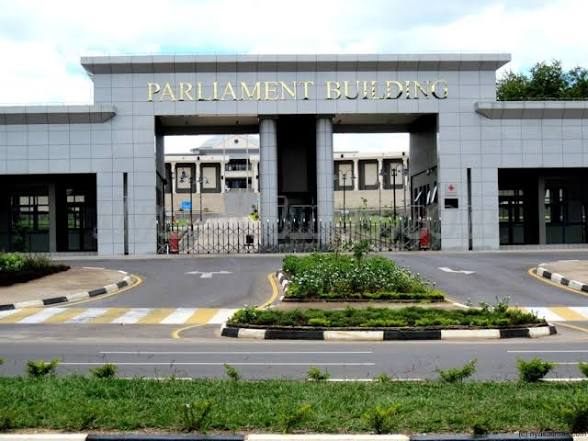
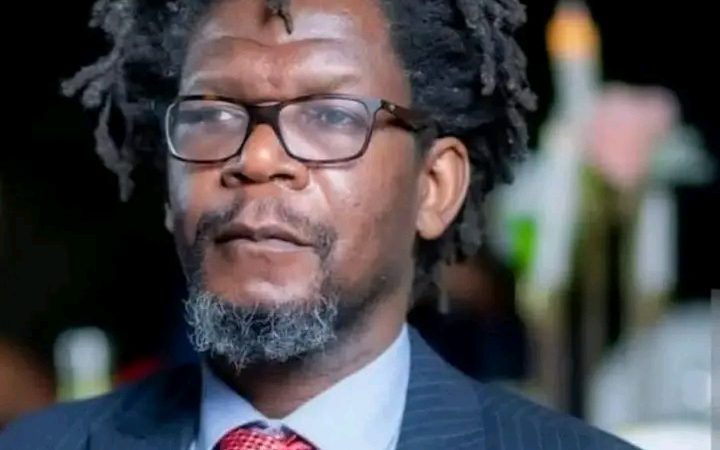
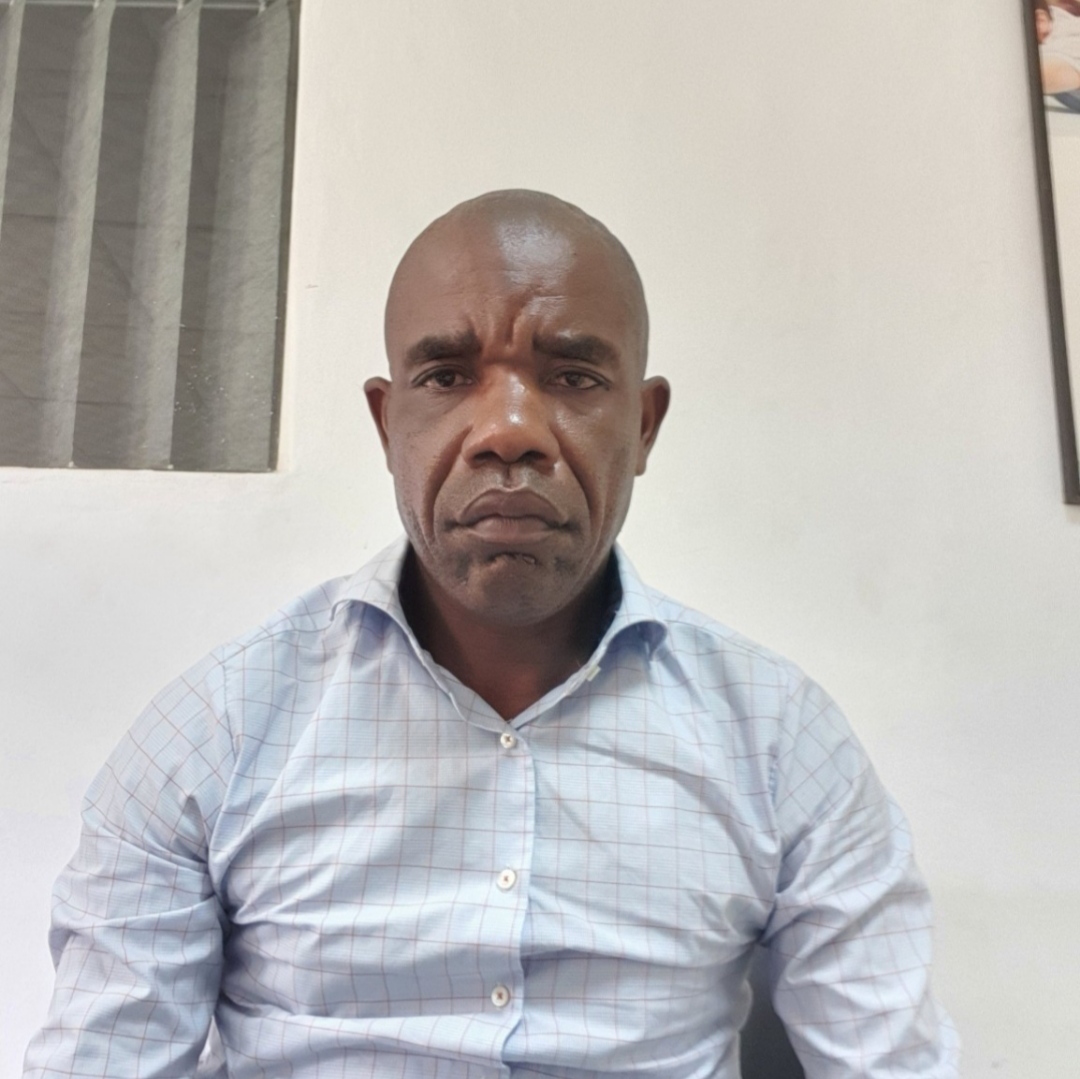
Attorney General Frank Mbeta has entered the legal battle involving Speaker of Parliament Sameer Suleman, joining the case as an interested party in a development that has added a new dimension to the dispute over Parliament’s attempt to establish committees to investigate the operations of several statutory bodies.
The case centres on an injunction obtained by local citizen Austin Mkoka, which has halted the formation and operations of 12 parliamentary committees intended to probe the affairs of selected statutory institutions.
Mbeta’s decision to join the proceedings came as a surprise to lawyers representing the Speaker, particularly because the Attorney General had initially been expected to represent Parliament’s position in the matter.
Mbeta enters the case as an interested party
During a virtual hearing on Thursday, 8 October 2026, High Court Judge Allan Muhome informed the parties that the Attorney General had applied the previous day to join the proceedings as an interested party.
The development immediately raised procedural questions from the Speaker’s legal team.
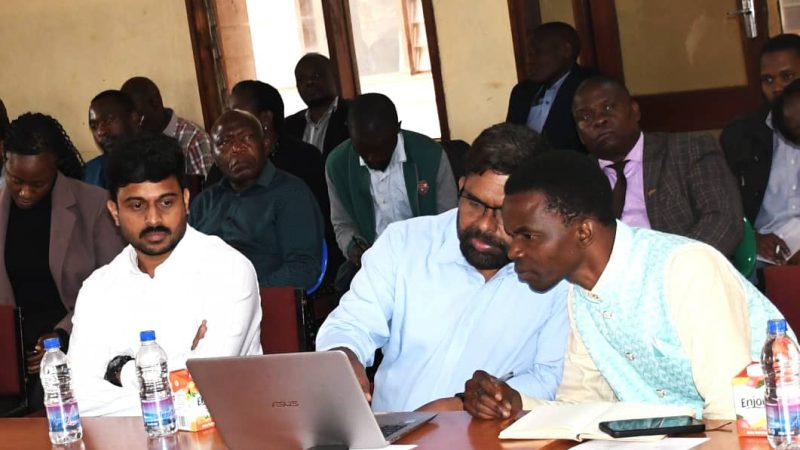
Lawyer Bright Theu, representing Speaker Suleman, expressed surprise at Mbeta’s appearance, describing him as a stranger to the proceedings because, according to the legal team, there had been no prior documents indicating that the Attorney General would become a party to the case.
The development is significant because the Attorney General is the government’s principal legal adviser and represents the State in a wide range of legal proceedings.
His entry into the case therefore introduces another legal voice into an already closely watched dispute involving the relationship between Parliamentary oversight, statutory institutions and the courts.
Speaker’s lawyers demand adherence to court procedures
Another lawyer representing the Speaker, Dr Chikosa Silungwe, also raised concerns about adherence to established court procedures and timelines for filing documents.
The argument centred on ensuring that all parties are given adequate time and opportunity to examine and respond to documents filed by other parties.
The issue became particularly relevant after Mbeta sought additional time to prepare and file his documents following his application to join the case.
Mbeta asks for 10 days to file documents
Mbeta asked the court for 10 days within which to file his documents in the proceedings.
However, lawyers for Mkoka indicated that they would also require sufficient time to study and respond to whatever documents the Attorney General files.
Mkoka’s lawyer, Noel Supedi, told the court that he would require at least seven days to respond to the Attorney General’s filings.
The competing requests for time meant that the court had to consider not only Mbeta’s participation in the matter but also the need to protect the procedural rights of all parties.
Case adjourned to 5 November
Following the proceedings, the matter was adjourned to 5 November 2026, when the case is expected to return before the court.
The latest development means the dispute over Parliament’s investigative committees is likely to remain before the courts for some time.
At the heart of the wider dispute is a fundamental question about the extent of Parliament’s constitutional oversight powers and whether parliamentary committees can proceed with investigations into statutory bodies while an injunction obtained by a private citizen remains in force.
Why the case matters
The case has attracted attention because parliamentary committees are an important mechanism through which legislators exercise oversight over public institutions.
Parliamentary oversight allows legislators to scrutinise how public bodies operate, how public resources are managed and whether statutory institutions are complying with the law and their mandates.
The involvement of the Attorney General adds further significance because it places the government’s chief legal representative directly into proceedings concerning the exercise of parliamentary oversight.
For Speaker Suleman and his legal team, the immediate issue is to challenge the injunction that has prevented the committees from proceeding with their intended work.
For Mkoka, the court proceedings provide an opportunity to defend the legal basis of the injunction he obtained.
The Attorney General’s entry now means that the court will also have to consider submissions from Mbeta as an interested party before determining the issues before it.
A developing constitutional and institutional dispute
Beyond the individual parties, the proceedings have broader implications for the balance between Parliament, the Executive, statutory institutions and the Judiciary.
The dispute comes at a time when Parliament’s oversight role has become an increasingly important subject of public debate, particularly where parliamentary committees seek information or explanations from public institutions.
The outcome of the case could therefore have implications beyond the 12 committees currently affected by the injunction.
For now, however, the immediate legal process will focus on the Attorney General’s application, the filing of documents and responses by the parties before the matter returns to court on 5 November 2026.
The case remains before the High Court, and no final determination has yet been made on the substantive issues surrounding the parliamentary committees.