
 Suleman Chitera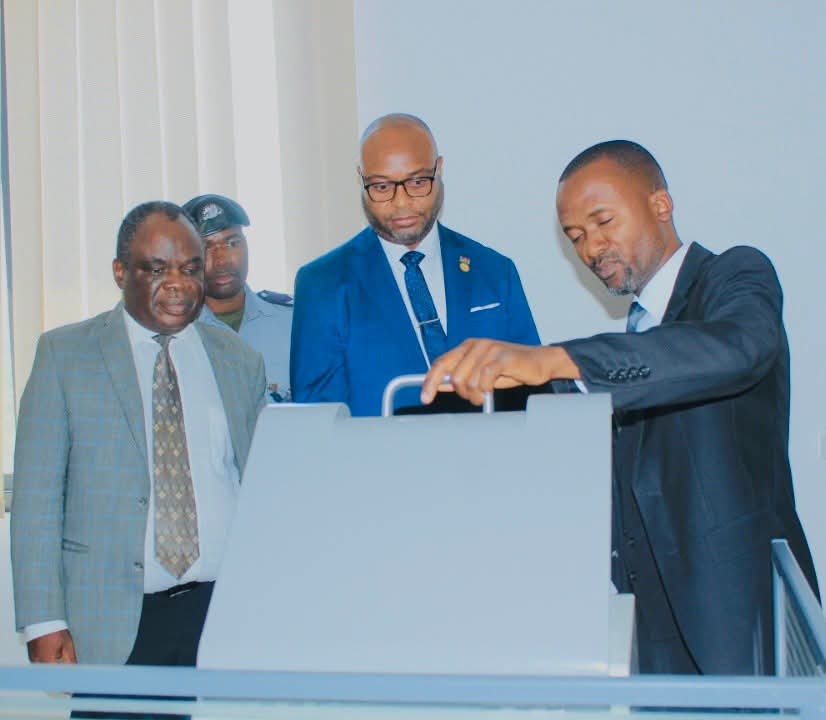
Malawi’s planned gold trading centres are expected to increase foreign exchange earnings, create jobs and reduce gold smuggling by providing artisanal and small-scale miners with access to formal markets.
By Suleman Chitera
Lilongwe, October 10, 2026
Malawi is preparing to strengthen its gold trade through the establishment of formal gold trading centres aimed at retaining more mineral wealth in the country, increasing government revenue and improving access to reliable markets for local miners.
Minister of Mining Thoko Tembo said the initiative would help Malawi earn foreign exchange while addressing gold smuggling, which has deprived the country of potential economic benefits from its mineral resources.
Tembo made the remarks on Friday during a media tour of the Malawi Mining Investment Company (MAMICO) Gold Trading Centre in Lilongwe, where officials outlined preparations for the commencement of gold-buying operations.
Gold Trading Centres to Fight Smuggling
Tembo said many artisanal and small-scale miners resorted to selling gold to smugglers because they lacked reliable and accessible markets.
He expressed confidence that establishing formal buying centres would encourage miners to trade through government-supported channels, making it easier for Malawi to capture revenue from its gold production.
“People are selling it to the smugglers because they don’t have a market. So if you provide a market to the people, the gold miners, then I’m sure they’re more than happy themselves to work with the government,” Tembo said.
The government expects the centres to provide miners with legitimate market access while helping authorities reduce the movement of gold through informal and illegal trading networks.
Malawi Expects More Forex from Gold Exports
Principal Secretary in the Ministry of Mining, Dr Rodwell S. Mzonde, said formal gold trading could help generate foreign exchange needed to import essential commodities, including fertiliser, fuel and medicines.
Malawi has faced pressure to secure sufficient foreign currency for imports, making the development of potential foreign-exchange sources an important economic priority.
By bringing more gold into formal trading channels, the initiative could help the country retain a greater share of the value generated from its mineral resources.
The programme is also expected to create employment opportunities and increase government revenue, although the actual economic benefits will depend on the volume of gold purchased, the prices paid to miners and the effectiveness of the trading system.
MAMICO Awaits Reserve Bank Documentation
MAMICO Chief Executive Officer Professor Leonard Kalindekafe said the company was ready to begin purchasing gold but was awaiting documentation from the Reserve Bank of Malawi (RBM).
Kalindekafe said MAMICO had secured initial financing commitments from NBS Bank and FDH Bank to support its planned gold-buying operations.
He estimated that the company would require approximately K300 billion to purchase gold over a full year, highlighting the substantial financing needed to operate the programme at scale.
The commencement of buying operations will depend on completing the outstanding documentation and putting the necessary arrangements in place.
Malawi Reportedly Losing US$700 Million in Gold Smuggling
Kalindekafe also estimated that Malawi was losing gold worth approximately US$700 million annually through smuggling.
If verified, the estimated losses would highlight the potential economic importance of improving gold traceability, formalising mineral trading and ensuring that locally mined gold passes through recognised channels.
However, the figure represents MAMICO’s estimate and should not be interpreted as independently verified government revenue or confirmed foreign-exchange losses.
Formal trading centres could help authorities improve oversight of gold transactions and capture more economic value from gold already being mined in Malawi.
What Gold Trading Centres Could Mean for Malawians
The success of the initiative will depend on whether the centres offer competitive prices, transparent transactions and accessible services for small-scale miners.
If miners receive fair prices and payments promptly, they may have stronger incentives to sell their gold through formal channels rather than to illegal buyers.
Read also Malawi’s Gold Mystery: Who Is Benefiting While the Nation Remains Poor?
For the government, improved oversight could support revenue collection and provide better information about the country’s gold production and trade.
The initiative could also create opportunities for people working in mineral production, transportation, security and related services.
Nevertheless, the projected benefits will depend on the scale of operations, the availability of financing, regulatory compliance and the government’s ability to address smuggling.
As MAMICO awaits the outstanding Reserve Bank documentation, attention will turn to when the gold-buying centres become operational and whether they can deliver the promised gains in foreign exchange, employment and public revenue.
Malawi Freedom Network (MFN) will continue to follow developments in the country’s mining sector and their implications for the economy and livelihoods.