
 By Burnett Munthali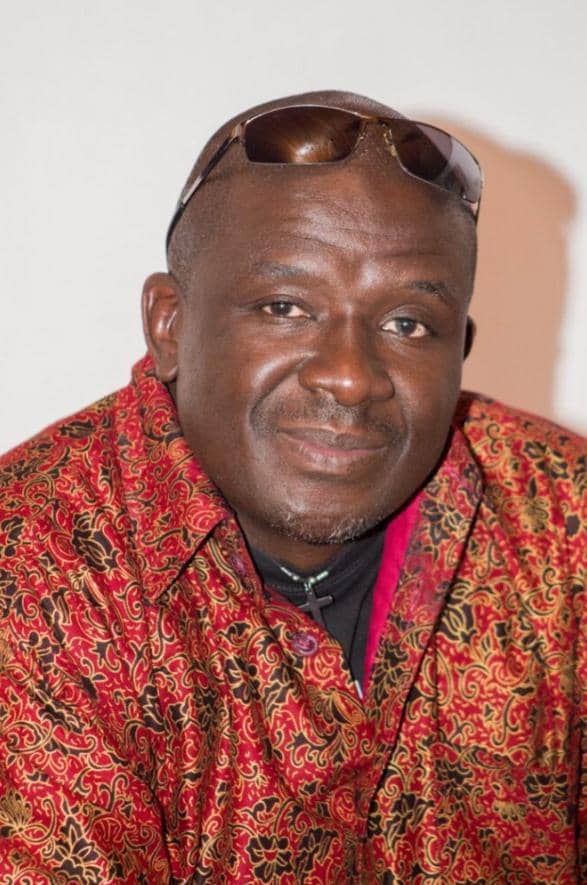
By Burnett Munthali
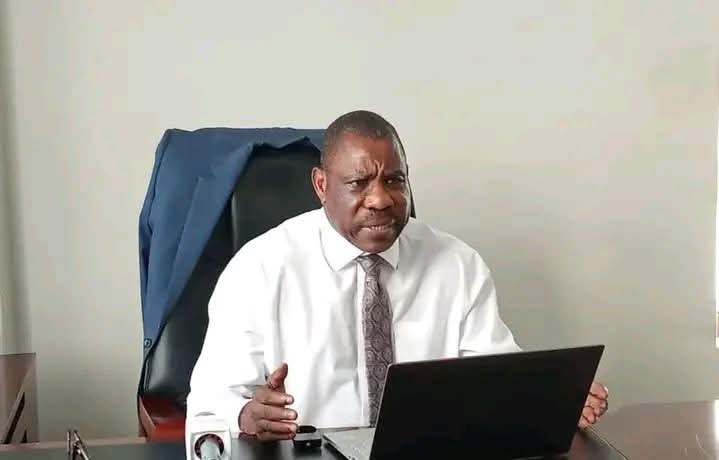
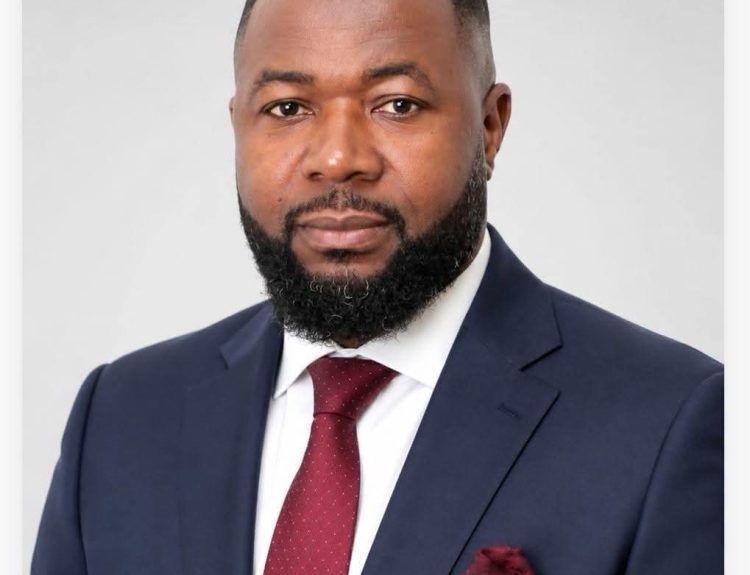
Prominent political analysts and governance commentators, Undule Mwakasungula and Boniface Dulani, have offered contrasting opinions on the proposal to reinstate the law that would empower citizens to recall their Members of Parliament (MPs) if they fail to perform effectively. This debate has gained momentum following concerns raised by the people of the Central Region district of Chiradzulu, who have expressed dissatisfaction with their councilor, MP, and local authorities regarding development initiatives.
Undule Mwakasungula has voiced his support for the reinstatement of the law, arguing that it would encourage greater accountability among public officials. According to Mwakasungula, reintroducing the law would create a system where leaders work transparently and in close collaboration with their constituents to deliver on development promises. “The law is essential for enhancing leadership accountability,” he said, highlighting the potential benefits for governance if the recall provision is restored.
- Man Fights for Life After Train Runs Over Him in LilongweShare Listen to this article By Suleman Chitera, MFN ReporterOctober 23, 2026 A 35-year-old man is fighting for his life at Kamuzu Central Hospital (KCH) in Lilongwe after a train ran over him while he was sleeping on a railway line in the Kanengo Industrial Area. The man, identified as Dyson Kumalinga, sustained severe head…
- Omar Ayatu Athandiza Azimayi Achisilamu Kupita ku IjitimaShare Listen to this article Olemba: Prince Hassan Wochita malonda, Omar Ayatu, wa ku Chimwala m’boma la Mangochi, wathandiza gulu la azimayi achisilamu la Chimwala Dawa Group ndi ndalama zothandizira ulendo wawo wopita ku Ijitima ku Salima. Thandizoli labwera potsatira pempho lomwe azimayiwa anapereka kwa Ayatu kuti awathandize kukwaniritsa cholinga chawo chopita ku Ijitima.Also interestingLocal»Five…
- “Is APM Still the Ansah?” — MCP Questions Leadership as Namalomba Defends President’s AbsenceShare Listen to this article By Suleman Chitera, MFN Reporter23 October 2026 The Malawi Congress Party (MCP) has questioned the country’s leadership arrangements following President Peter Mutharika’s absence from Malawi, prompting Information Minister Shadreck Namalomba to defend the President amid growing economic challenges. MCP officials Moses Kunkuyu and Jessie Kabwila have questioned Mutharika’s private trip…
- The Walkers in kidney health awareness walk SaturdayShare Listen to this article By Suleman Chitera The Walkers Social Club, a group of diverse professionals who walk every Saturday morning, will this Saturday engage in a kidney health awareness walk in collaboration with Mphukira Foundation. The walk will start at 5am at HS Winehouse in Namiwawa through Chilomoni and climb the Michiru Mountain…
- Blantyre Mayor Jomo Osman Urges Prayers as Malawi Fuel Crisis DeepensShare Listen to this article By Suleman Chitera, MFN Reporter Blantyre Mayor Isaac Jomo Osman has called on Malawians to pray for the country amid a fuel shortage that he says is causing significant hardship for people on the ground. Osman described the situation as distressing, questioning how leaders in positions of power could sleep…

On the other hand, Boniface Dulani has expressed skepticism about the feasibility of implementing such a law, citing challenges with the current political system. He pointed out that many leaders were not elected by an outright majority in the 2019 general elections, meaning that a significant portion of the electorate did not vote for them. “It would be difficult to enforce this law when many leaders were elected with less than half of the total votes,” Dulani argued, raising concerns about the practical challenges of applying the law fairly.
A survey conducted by the Institute for Public Opinion Research revealed that a majority of Malawians are in favor of the law’s reinstatement. The law, which was originally enacted in 1964 under Section 64 of the country’s constitution, gave voters the power to recall non-performing MPs. However, it was later repealed by Parliament after several years in use.
As Malawi prepares for its next general elections in just 11 months, the debate over the reinstatement of this law is expected to continue. The upcoming elections will require leaders to secure more than 50% of the vote to win, making the issue of electoral accountability even more relevant in the current political climate.