
 By Burnett Munthali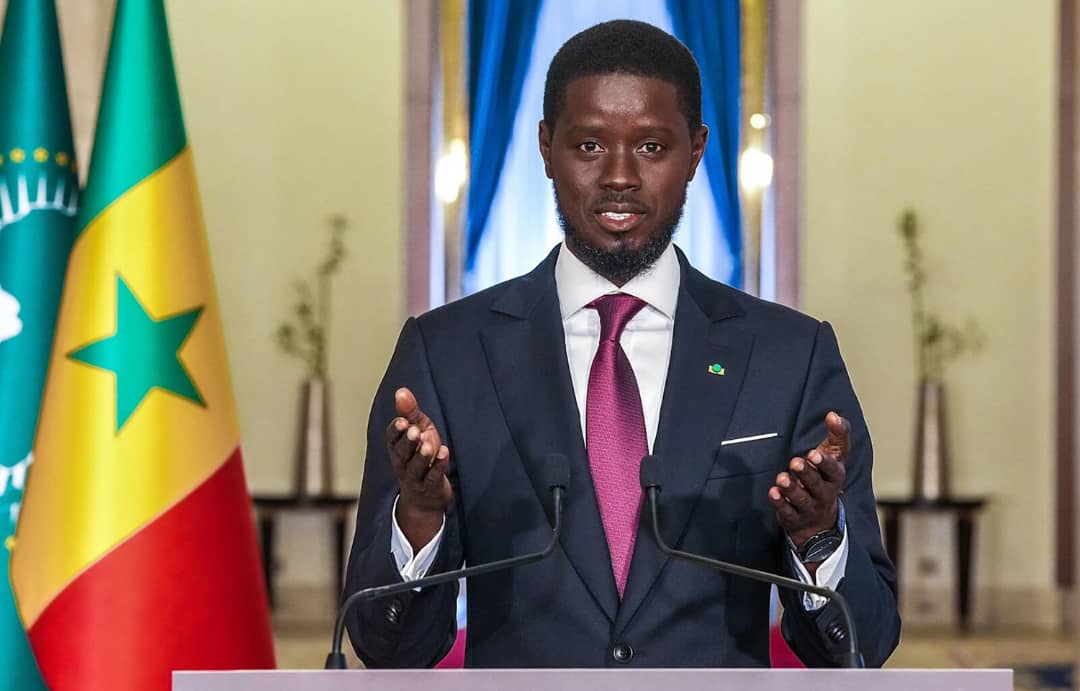
By Burnett Munthali
On Monday, the Senegalese government presented its ambitious long-term economic action plan, extending through 2050, aimed at transforming the country’s socio-economic landscape. This comprehensive plan seeks to address long-standing issues of underdevelopment, foreign dependency, and crippling debt, steering Senegal towards sustainable growth and economic independence.
A bold vision for the future
The new strategy, which forms part of the government’s broader Vision 2050 framework, is grounded in several key objectives. The first is the diversification of the national economy, with a particular focus on developing sectors such as agriculture, industry, and energy. By moving away from heavy reliance on extractive industries and imported goods, Senegal aims to foster self-sufficiency and promote value-added industries that can create jobs and stimulate economic growth.
- The Walkers in kidney health awareness walk SaturdayShare Listen to this article By Suleman Chitera The Walkers Social Club, a group of diverse professionals who walk every Saturday morning, will this Saturday engage in a kidney health awareness walk in collaboration with Mphukira Foundation. The walk will start at 5am at HS Winehouse in Namiwawa through Chilomoni and climb the Michiru Mountain…
- Blantyre Mayor Jomo Osman Urges Prayers as Malawi Fuel Crisis DeepensShare Listen to this article By Suleman Chitera, MFN Reporter Blantyre Mayor Isaac Jomo Osman has called on Malawians to pray for the country amid a fuel shortage that he says is causing significant hardship for people on the ground. Osman described the situation as distressing, questioning how leaders in positions of power could sleep…
- Five Malawi Police Officers Suspended Over Alleged Theft and Firearms SaleShare Listen to this article By MFN News Desk Team Five police officers have been suspended from duty over various alleged offences, including theft and the sale of firearms and ammunition. The suspension has been confirmed in a letter signed by Lael Chimtembo, the Deputy Director responsible for Human Resource Management.Also interestingLocal»Imran Jumbe Warns DPP…
- Imran Jumbe Warns DPP Against Internal Sabotage, Demands Probe into Umodzi Park LeadershipShare Listen to this article By Suleman Chitera, MFN ReporterOctober 22, 2026 Political commentator Imran Jumbe has urged the ruling Democratic Progressive Party (DPP) leadership to investigate concerns surrounding the management of Umodzi Park Holdings, warning that alleged misconduct and poor leadership within government institutions could undermine public confidence in the administration. In a strongly…
- World Vision Transfers K250 Million in Assets to Chiradzulu Council to Protect Child Welfare GainsShare Listen to this article By Suleman Chitera, MFN ReporterDate: October 21, 2026 World Vision Malawi has handed over assets worth more than K250 million to Chiradzulu District Council to help sustain child protection, healthcare and education services following the closure of its 15-year programme in Traditional Authority Onga. The handover, conducted on Tuesday, is…
- BASMAL challenges Mo626 Varsity teams to up their gameShare Listen to this article By Suleman Chitera Basketball Association of Malawi (BASMAL) has challenged teams competing in the Mo626 Varsity Games during the regional zones competition to build their momentum and prepare for tougher competition at the national championship. Speaking after the games at University of Malawi (UNIMA) in Zomba on Saturday, BASMAL Technical…
- Speaker’s office snubbed as Mbeta takes over parliamentary committee caseShare Listen to this article By Suleman Chitera, MFN ReporterOctober 21, 2026 The Office of the Speaker of Parliament has revealed that it was not consulted before Attorney General Frank Mbeta took over a judicial review case challenging the establishment of parliamentary joint committees, exposing a serious disagreement over the legal position surrounding the dispute.…
- Bonface Joseph Urges DPP Leaders to End Greed, Corruption and InfightingShare Listen to this article By MFN News Desk Team | October 21, 2026 Governance expert Bonface Joseph has challenged senior officials of the ruling Democratic Progressive Party (DPP) to stop internal wrangling, greed and corruption allegations and focus on delivering the promises they made to Malawians. Speaking in Blantyre on Tuesday, Joseph said the…
In unveiling the plan, President Macky Sall emphasized the importance of laying strong foundations for future generations. “We are committed to building a resilient, inclusive economy that is capable of withstanding global shocks and ensuring prosperity for all Senegalese,” he stated. The plan reflects the government’s determination to reduce poverty, generate employment, and improve infrastructure while minimizing environmental impact.
Key pillars of the economic action plan
The economic strategy is built around several fundamental pillars:
1) Agricultural Transformation: A significant portion of the plan focuses on modernizing agriculture through improved technology, irrigation, and sustainable farming practices. By enhancing agricultural productivity, the government hopes to not only feed its population but also become a key exporter of agricultural goods in the region.
2) Energy Independence: With Senegal’s recent oil and gas discoveries, the plan highlights energy as a critical sector for reducing dependency on foreign imports. Investments in renewable energy, particularly solar and wind, are expected to complement the country’s oil and gas resources, ensuring a more stable and diversified energy supply.
3) Industrialization and Infrastructure Development: Senegal’s plan envisions a robust industrial base that can process raw materials locally and reduce the country’s reliance on imported goods. This will be supported by significant investments in transport infrastructure, including roads, ports, and railways, which are crucial for connecting urban and rural areas and facilitating trade.
4) Debt Reduction and Fiscal Discipline: Addressing the country’s rising debt burden is a central theme of the action plan. The government has pledged to adopt a more prudent approach to borrowing, focusing on attracting foreign direct investment (FDI) and mobilizing domestic resources to finance its projects.
5) Human Capital and Social Development: The plan includes substantial investments in education, healthcare, and social services to improve living standards and reduce inequality. Special emphasis is placed on equipping the workforce with the skills needed for a modern economy, particularly in technology and innovation sectors.
Breaking free from dependency
At the heart of the plan is the desire to reduce Senegal’s dependence on international aid and financial institutions. The government aims to shift towards a more self-reliant economic model that encourages domestic production and exports while fostering regional trade partnerships. By doing so, Senegal hopes to take greater control over its economic destiny and shield itself from global economic volatility.
The government’s push for regional integration, particularly within the West African Economic and Monetary Union (WAEMU) and the African Continental Free Trade Area (AfCFTA), is also a key part of this strategy. These regional trade initiatives are expected to open up new markets for Senegalese goods and services, while also fostering greater cooperation with neighboring countries.
Challenges and opportunities
While the plan is bold and forward-looking, it faces several challenges. Senegal’s existing debt levels remain high, and external shocks, such as global commodity price fluctuations and climate change, could hinder progress. Furthermore, the success of the plan will largely depend on the ability of the government to attract private sector investment and manage resources efficiently.
However, the opportunities are equally significant. With recent oil and gas discoveries, Senegal is well-positioned to become a regional energy hub. The country’s strategic location along major maritime routes also makes it a potential center for trade and commerce in West Africa.
Conclusion
Senegal’s new economic action plan is a testament to the government’s commitment to overcoming the historical barriers of underdevelopment, dependency, and over-reliance on external debt. By focusing on diversification, sustainability, and self-reliance, the plan lays out a clear roadmap for the country to achieve economic independence and long-term prosperity. If implemented successfully, it could serve as a model for other African nations seeking to break free from the cycle of aid dependency and debt, while building a resilient and dynamic economy for future generations.