
 Suleman Chitera
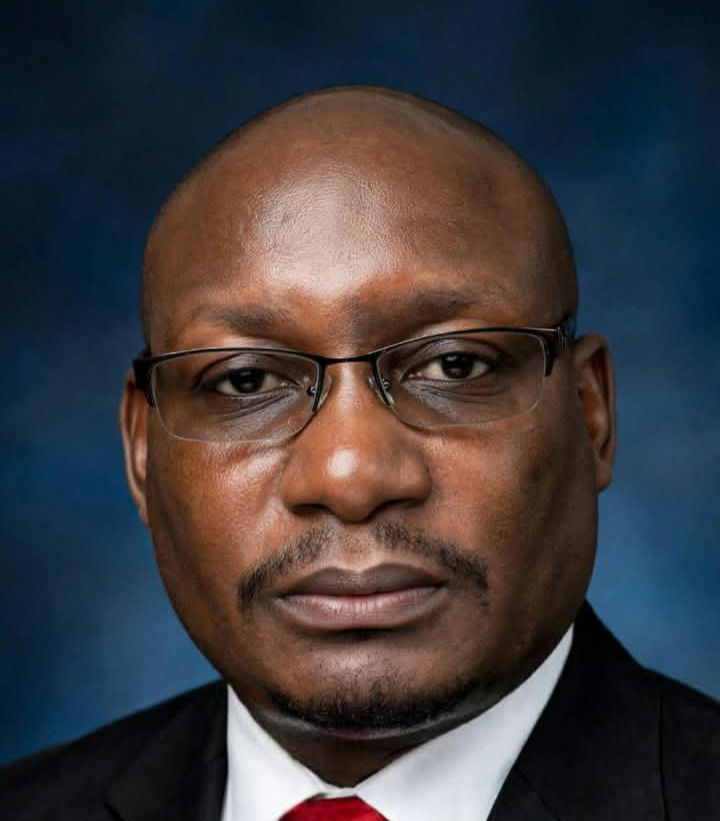
By Suleman Chitera, MFN Reporter
Blantyre, October 27, 2026
Governance expert Bonface Joseph has launched a blistering attack on Malawi’s political leadership, warning that the country cannot escape its economic crisis through recycled politicians, internal power struggles and promises of reform that fail to translate into better lives for ordinary citizens.
Speaking to Mzati Radio’s Austin Muliyekha in an interview from his sickbed, Joseph argued that although the governing Democratic Progressive Party (DPP) has its weaknesses, the opposition Malawi Congress Party (MCP) cannot be regarded as the solution to Malawi’s problems.
His remarks paint a picture of a country struggling with fuel shortages, foreign exchange constraints, persistent electricity blackouts, unreliable water supplies, rising living costs and diminishing economic opportunities, while politicians remain preoccupied with political contests and the distribution of power.
“DPP may have flaws, but MCP can never be a solution,” Joseph declared, delivering a blunt message to political leaders he accused of repeatedly disappointing Malawians after winning their trust.
Joseph questioned whether politicians who return to seek public office after previously serving in government have genuinely learned from their mistakes, arguing that campaign promises and public displays of remorse mean little if citizens continue to suffer once power changes hands.
“They come as reformed saints, they claim they have learned and changed, win votes then punish Malawians in the end. Instead of building Malawi, they are busy with useless inside battles, fighting for positions, sharing loot, while Malawi burns,” he said.
His criticism highlights a wider governance question facing Malawi: whether political parties are offering credible solutions to the country’s economic difficulties or simply competing for control of government without addressing the problems confronting households and businesses.
FUEL CRISIS AND FOREX MISMANAGEMENT
Joseph singled out the persistent fuel crisis as evidence of what he described as the failure by authorities to provide lasting solutions to problems affecting the economy.
He said Malawians continue to endure long queues at filling stations, while shortages create opportunities for black-market trading and push up transportation costs.
According to Joseph, the consequences extend beyond motorists, affecting traders, transport operators, small businesses and ordinary households already struggling to afford basic necessities.
“Up-to-date there’s no long-term solutions to the fuel crisis in the country. And forex is mishandled by the same authorities who have the audacity to climb podiums telling Malawians we have a forex problem,” he said.
“You mishandle forex, you loot forex, then you lecture us? That is punishing Malawians!”
His comments also questioned the credibility of official explanations about foreign exchange shortages, arguing that authorities must demonstrate accountability in managing the country’s limited foreign currency resources.
Malawi’s dependence on imported fuel and other essential commodities makes access to foreign exchange particularly important. When businesses cannot obtain the dollars needed to import goods, supply constraints can worsen, costs can rise and economic activity can suffer.
For Joseph, explaining the crisis is not enough. He wants leaders to demonstrate how they intend to resolve it and prevent Malawians from continuing to bear the consequences.
‘MALAWIANS PAY FOR ELECTRICITY BUT GET DARKNESS’
The governance expert also turned his attention to electricity shortages and the rising cost of living, describing the situation as increasingly unbearable for households and businesses.
He questioned how small enterprises could remain operational when electricity supply was unreliable, despite the financial obligations customers must meet.
“Blackouts every day yet bills going up. How do you run a barbershop, welding, maize mill with no electricity?” he asked.
Joseph argued that unreliable electricity directly threatens the survival of small businesses that depend on power to generate income, employ workers and provide essential services.
For enterprises such as barbershops, welding workshops and maize mills, prolonged blackouts can mean lost customers, reduced production and additional operating costs when alternative sources of power are required.
He further lamented the rising prices of essential commodities, including fertiliser, maize and cooking oil, saying many Malawians face increasing financial pressure at a time when employment and business opportunities remain limited.
“Cost of living is unbearable — fertilizer, maize, cooking oil all high, but jobs gone, forex gone. Malawians are truly suffering,” he said.
His remarks reflect the frustration of households forced to balance rising expenses against limited incomes, with the cost of food, transport and other basic necessities placing pressure on already stretched budgets.
WATER SHORTAGES AND THE PARADOX OF HUNGER
Joseph also questioned why Malawi continues to face water shortages and agricultural difficulties despite having substantial water resources.
He argued that the country should be doing more to harness its rivers, lakes and groundwater to support irrigation, reliable water supplies and agricultural production.
“It’s pathetic, very pathetic, to see good water table everywhere but water scarce. Crops drying when plenty water moves from Karonga to Nsanje to the ocean, yet we talk hunger, importing tomato!” he said.
He cited Lake Malawi and rivers including the Shire, Songwe and Rukuru as examples of the country’s natural resources, questioning why their potential has not translated into greater economic security for citizens.
“Lake Malawi, Shire, Songwe, Rukuru — God gave us everything but leaders give us nothing!” he added.
His argument centres on the need to move beyond the mere existence of natural resources and invest in the infrastructure required to turn them into tangible benefits.
Such investments could include irrigation systems, water storage facilities, agricultural processing, improved distribution networks and more reliable access to water for households and businesses.
Joseph’s remarks suggest that Malawi’s development challenge is not simply a question of resource availability, but also of planning, investment, implementation and accountability.
WEALTH ACCUMULATION WHILE CITIZENS STRUGGLE
The governance expert also raised concerns about the accumulation of wealth among political elites while ordinary Malawians struggle to afford basic necessities.
Referring to the MCP’s previous period in government, Joseph alleged that senior figures accumulated extraordinary wealth, suggesting that similar concerns persist in the country’s current political environment.
“Akulu akulu aboma la MCP analemera modabwitsa, zomwe zikuchitikanso lero, anthuwa ndi amodzi, we need new blood,” he said.
In English, he was arguing that senior figures associated with the previous MCP administration became remarkably wealthy, adding that similar concerns are evident today and that Malawi needs new blood in politics.
The remarks amount to a challenge to political leaders across party lines to demonstrate that public office is being used to serve citizens rather than advance personal interests.
However, allegations of corruption or unexplained wealth require evidence and proper investigation. Joseph’s comments express his criticism of political leadership and should not, on their own, be taken as proof of wrongdoing by any particular individual.
His broader concern is that the widening gap between the economic struggles of ordinary citizens and the perceived prosperity of political elites risks deepening public frustration and undermining confidence in government.
For families unable to afford two meals a day, visible displays of wealth among political leaders can reinforce the perception that the benefits of public office are not being shared fairly.
‘2030 FEELS VERY FAR’ AS MALAWIANS FACE ECONOMIC PRESSURE
Joseph’s most striking warning concerned the distance between the present economic difficulties and the next general election, scheduled for 2030.
He said the prospect of waiting until 2030 for another opportunity to change the country’s political leadership feels particularly difficult for citizens who are already struggling to meet their daily needs.
“Malawians feel 2030 is very far! How do you reach 2030 with no fuel, no forex, no electricity, no water, no food, no jobs, only high prices and recycled liars?” he asked.
The statement captures the impatience of citizens who expect elected leaders to address urgent problems during their time in office rather than asking the public to endure hardship until another election.
It also raises a fundamental question about political accountability: what concrete improvements should Malawians expect from their leaders before the end of the current electoral cycle?
For Joseph, the answer cannot be found in party slogans, political manoeuvring or promises made during campaigns. It must be demonstrated through improvements in the availability of fuel, access to foreign exchange, reliable electricity, water provision, food security and employment.
His criticism of both political leadership and the opposition also challenges parties seeking power to explain how their policies would deliver better results, rather than relying solely on public dissatisfaction with their rivals.
A FINAL APPEAL TO MALAWIA’S POLITICAL LEADERS
Despite delivering his criticism from a sickbed, Joseph ended the interview with a direct appeal to politicians, urging them to remember their moral responsibility to the people they represent.
“Muzikhala ndi chikumbumtima ndi umunthu andale inu!” he said.
The Chichewa statement translates to: “Politicians, have a conscience and humanity!”
It was a forceful closing message from a governance expert who believes the country’s economic struggles demand more than political rhetoric.
Joseph’s central argument is that Malawi cannot build a better future if politicians continue to recycle familiar promises, engage in internal power struggles and fail to translate public resources into meaningful improvements in people’s lives.
His rejection of the MCP as an alternative, despite acknowledging flaws within the DPP, also underscores his apparent dissatisfaction with the country’s established political choices.
Ultimately, his challenge extends beyond the rivalry between the two parties. It is a demand for leadership that can demonstrate results, account for public resources and respond to the daily hardships facing citizens.
With fuel shortages, electricity disruptions, water challenges and rising living costs dominating public concerns, the question raised by Joseph remains difficult for political leaders to avoid: how long should ordinary Malawians continue to wait for meaningful change?
For a population already struggling to make ends meet, the answer will be measured not by what politicians say on podiums, but by whether life becomes more affordable, businesses become more productive and essential services become more reliable.