 Suleman Chitera
By Suleman Chitera
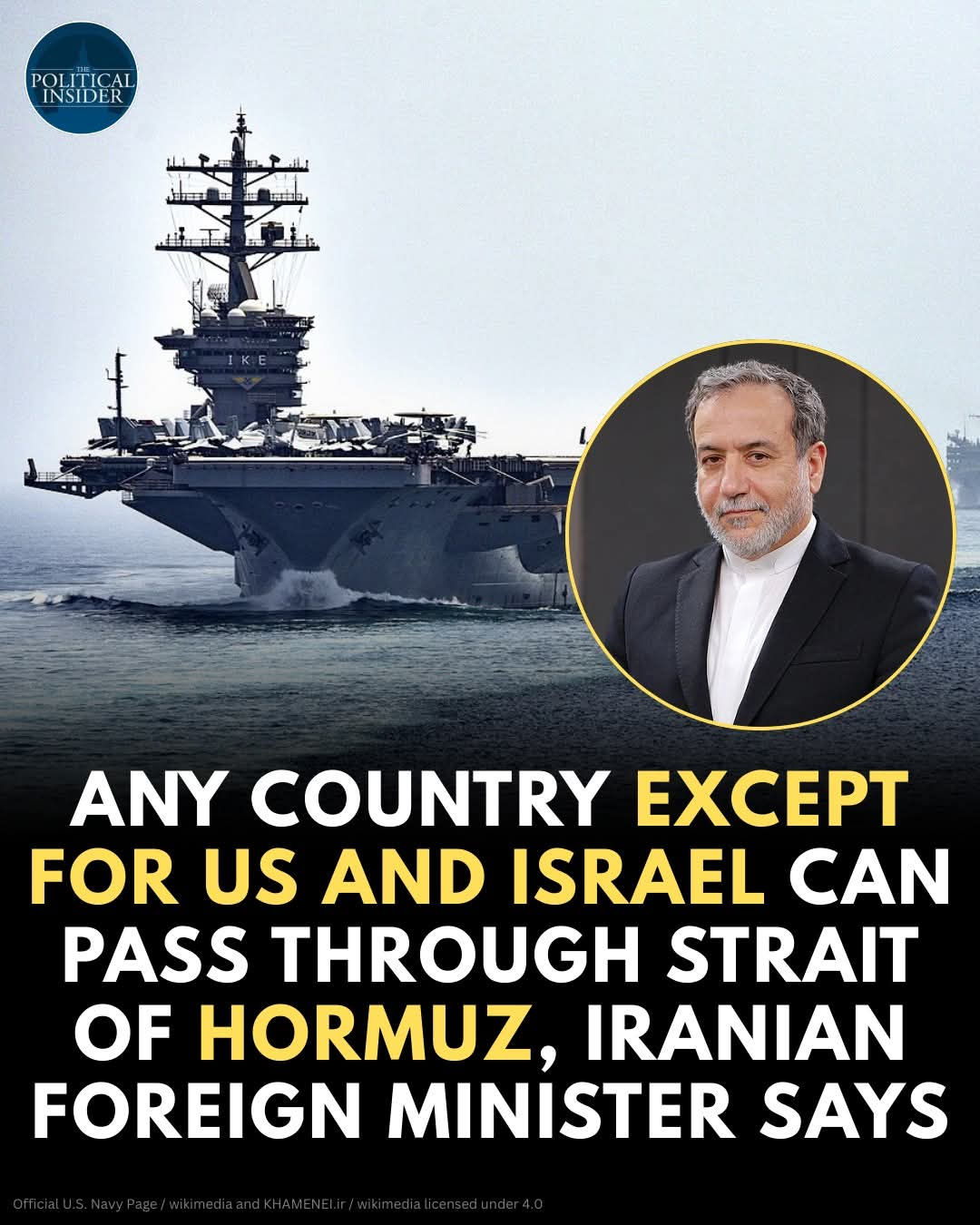
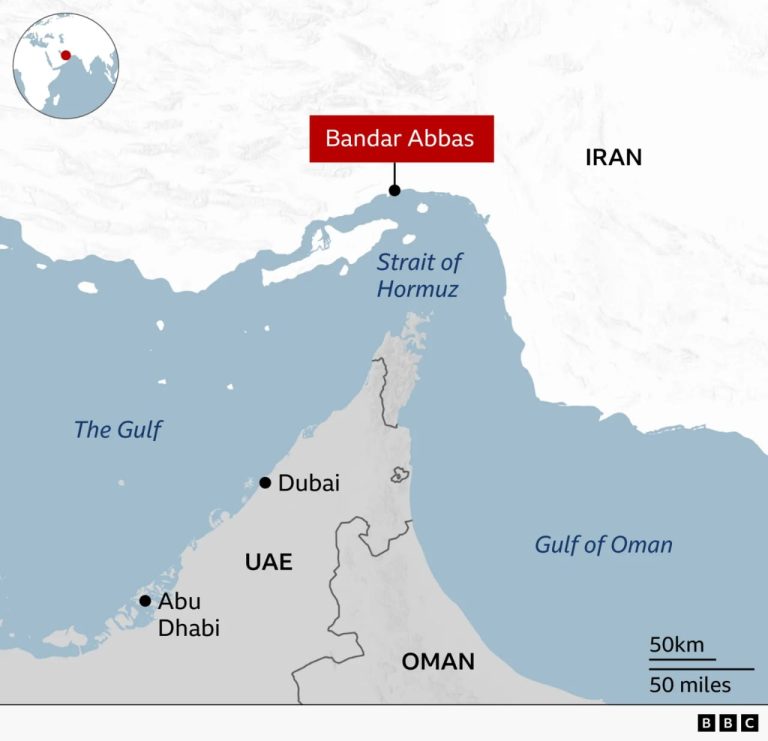
Tensions in the Middle East have sharply intensified following a controversial statement by Abbas Araghchi, who declared that the strategically vital Strait of Hormuz would remain open to all nations except the United States and Israel.
The remarks, widely interpreted as a direct challenge to international maritime norms, have sparked concern among global powers, energy markets, and security analysts. The Strait of Hormuz, a narrow but critical chokepoint, handles roughly one-fifth of the world’s oil supply, making any threat to its accessibility a matter of global economic and geopolitical significance.
A Strategic Flashpoint
Iran’s position effectively labels the United States and Israel as hostile actors, escalating already strained relations amid ongoing regional instability. While Tehran has long criticized both nations, this explicit warning marks a shift from rhetoric to a potential policy posture with far-reaching implications.
Maritime law experts point out that under the United Nations Convention on the Law of the Sea (UNCLOS), coastal states do not have the authority to unilaterally deny transit passage through international straits used for global navigation. The Strait of Hormuz qualifies as such a passage, meaning all vessels—military and civilian—are entitled to safe transit without interference.
“Iran cannot selectively restrict access without violating international law,” said a regional security analyst. “Any attempt to enforce such a policy would likely provoke a strong international response.”
Global Repercussions
The statement has already triggered unease in global energy markets, with traders wary of disruptions to oil shipments from major Gulf producers including Saudi Arabia, United Arab Emirates, and Kuwait. Even the suggestion of restricted passage could lead to price volatility and increased insurance costs for shipping companies.
For the United States, which maintains a significant naval presence in the region, any attempt by Iran to block or harass vessels could be interpreted as a direct provocation. The U.S. Navy’s Fifth Fleet, based in Bahrain, routinely patrols the area to ensure freedom of navigation.
Israel, though not directly bordering the Gulf, relies on global maritime routes for trade and energy supplies. Iranian threats against Israeli-linked shipping have increased in recent years, often playing out through proxy conflicts and covert maritime incidents.
Risk of Escalation
Security experts warn that the latest statement could heighten the risk of miscalculation in an already volatile region. Past incidents—including tanker seizures, drone attacks, and naval standoffs—demonstrate how quickly tensions can spiral into open confrontation.
“This is not just rhetoric; it’s signaling,” said one analyst. “Iran is testing boundaries, and the response from the international community will determine whether this escalates or is contained.”
A Test for International Order
The situation presents a broader challenge to the rules-based international order governing global trade routes. If Iran were to act on its threat, it could set a dangerous precedent for other nations controlling strategic waterways.
As diplomatic channels remain strained, the international community faces a critical question: how to deter escalation while preserving the principle of free navigation that underpins global commerce.
For now, the Strait of Hormuz remains open—but the warning from Tehran has cast a long shadow over one of the world’s most important maritime corridors.
- Malawi Secures $221.9 Million Deal to Boost Jobs and Exports
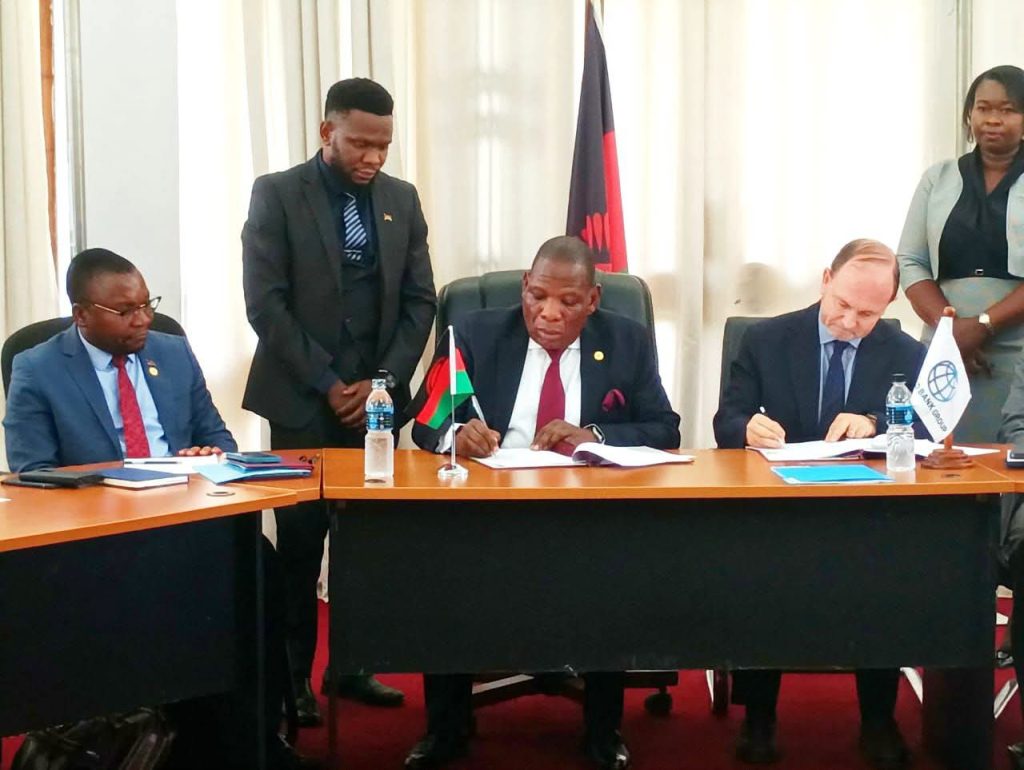 Malawi has secured financing agreements worth US$221.9 million, equivalent to approximately K414 billion, from the World Bank
- Mwanamvekha Assures Malawians of Action to End Fuel Shortages
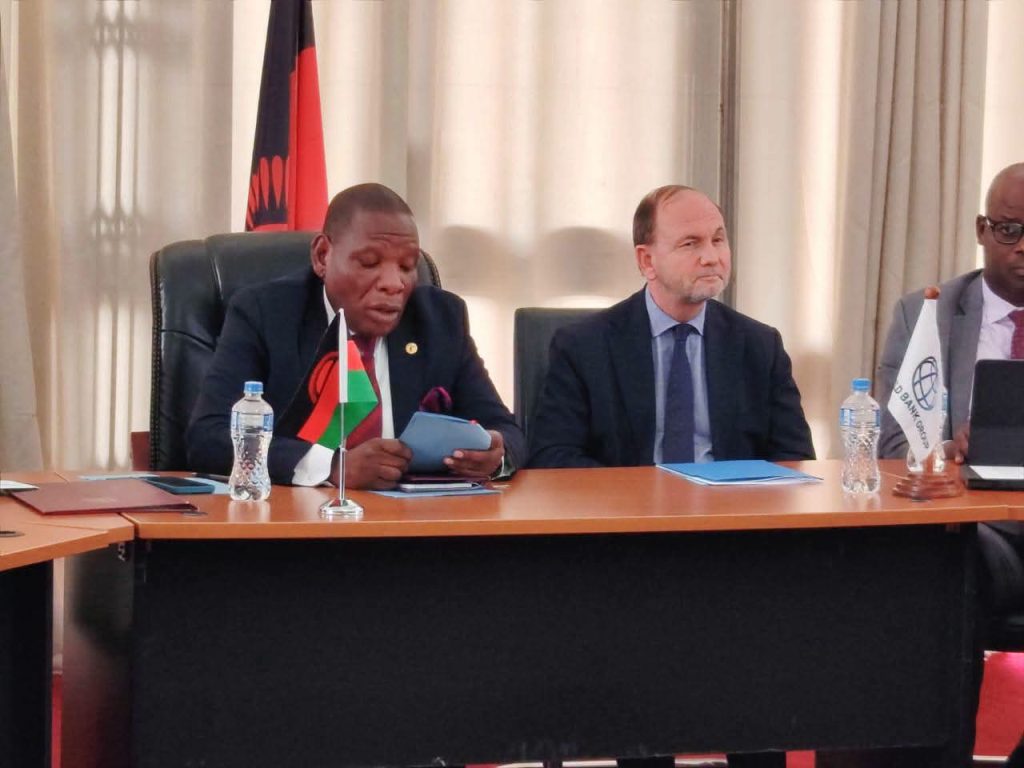 Mwanamvekha said government has already applied for foreign exchange resources to facilitate fuel procurement
- Dedza Mechanic Develops Solar-Powered Electric Car
 mechanic from Dedza District, Edward Ngwira, has developed an electric vehicle powered by solar energy
- Rukuru Telecoms Trains Fibre Optic Experts to Improve Malawi’s Connectivity
 Managing Director of Rukuru Holdings, Mona Lungu, said the initiative seeks to equip participants with specialised knowledge
- Mchacha Calls for MCP Dissolution, Plans Petition to Parliament
 Share Listen to this article By Suleman Chitera, MFN ReporterDate: 20 November 2026 | Time: 05:09 AM Democratic Progressive Party (DPP) Southern Region Governor Charles Mchacha has called for the dissolution of the opposition Malawi Congress Party (MCP), announcing plans to petition Parliament to consider removing the party from Malawi’s official register of political parties.…
- Dowa District Council elects woman Chairperson for the first time
 Share Listen to this article By Vincent Gunde The Dowa District Council has for the first time in the history of the district elected Dowa West Constituency – Machenga Ward Councilor Janet Kampanda as its new Chairperson. Kampanda scooped 11 votes against two other contenders, Eliza Chulu of Msakambewa West Ward and Morie Brown Chimtokota…
- Machinga Communities Urge Government to Invest in Malape Pillars Tourism
 The communities say activities such as charcoal production, indiscriminate tree cutting and illegal firewood collection
- Malawi Targets 13,600 Annual Mini-Grid Power Connections
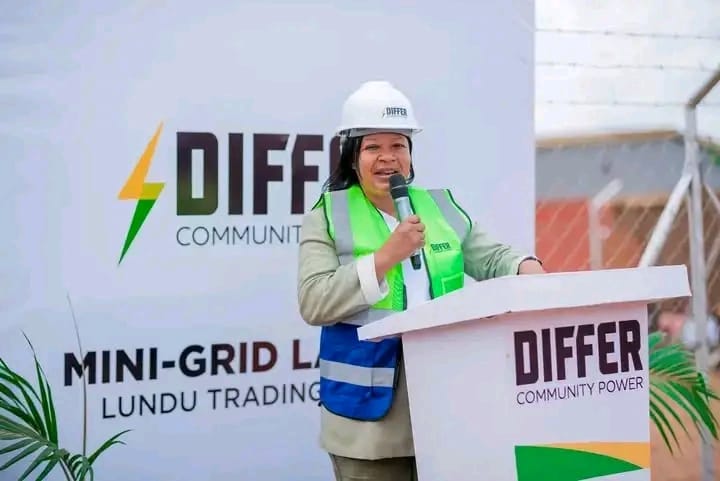 Malawi targets 13,600 annual mini-grid electricity connections as Government accelerates rural electrification towards 70% access by 2030.
- Karonga Gold Centre to Boost Malawi’s Forex Reserves – Tembo
 Minister of Mining Thoko Tembo has described the official opening of a gold trading centre in Karonga
- Pemphero Mphande Warns Malawi Risks Burundi, Somalia-Style Crisis
 Pemphero Mphande has warned that Malawi risks sliding into a serious economic crisis similar to those experienced by Burundi and Somalia
- Chitera Hails Mutharika Over K2.6 Billion Egenco Payment Probe
 Chiradzulu-based activist Suleman Atupele Chitera commends President Mutharika’s government response to the K2.6 billion Egenco payment controversy.
- Australia Backs Mbilizi’s Vision to Transform Malawi Agriculture
 Australia pledges agricultural research, climate resilience and technology support as Minister Roza Mbilizi advances Malawi’s agricultural commercialisation agenda
- Gazette Media backs SWAM AGM with K1 Million
 The AGM is scheduled for November 13 to 15, 2026 in Salima and is expected to bring together about 200 sports journalists from across Malawi
- Msaka Calls on African Nations to Turn Education Policies into Tangible Development
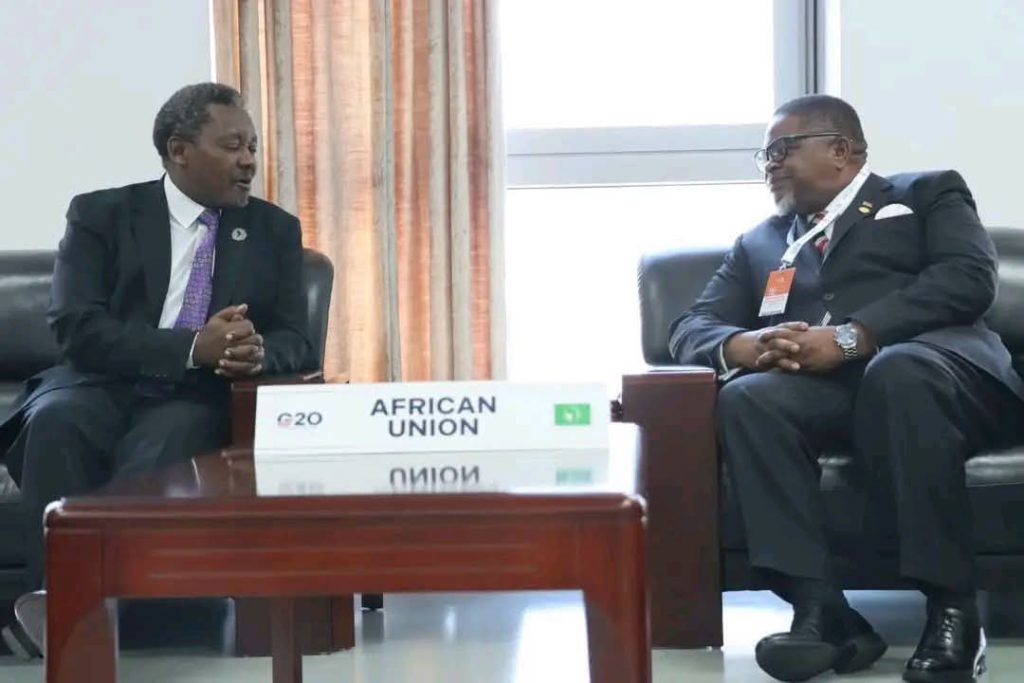 Malawi’s Education Minister Bright Msaka urges African countries to prioritise education policy implementation, skills development and innovation.
- Chisale Boosts Southern Region Immigration Office with 21 Personally Funded Office Chairs
 Deputy Minister of Homeland Security Norman Chisale has donated 21 office chairs to the Southern Region Immigration Office
- ActionAid to Implement School Readiness Initiative Programme in Dowa District
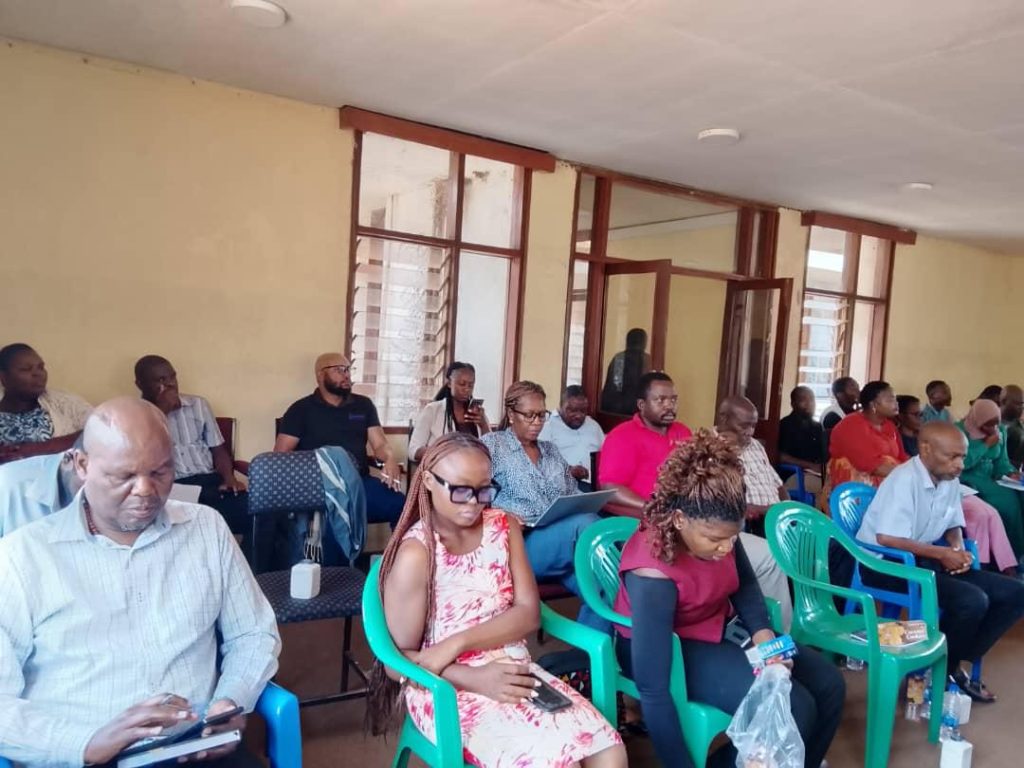 Share Listen to this article By Vincent Gunde ActionAid Malawi will support the implementation of the School Readiness Initiative (SRI) Programme in Dowa District, targeting 124 Community-Based Childcare Centres (CBCCs) with a total budget of MK150 million. The School Readiness Initiative is a six-year programme implemented in three phases, aimed at improving access to quality…
- FDH Money Bureau concludes ‘Double Double’ promo with K40 million grand prize
 FDH Money Bureau has splashed K40 million total grand prize to four individual pairs to mark the end of its five-months ‘Double Double’ promotion.
- Finance Bank appeal: Mbeta inherited case after years without Malawi govt defence
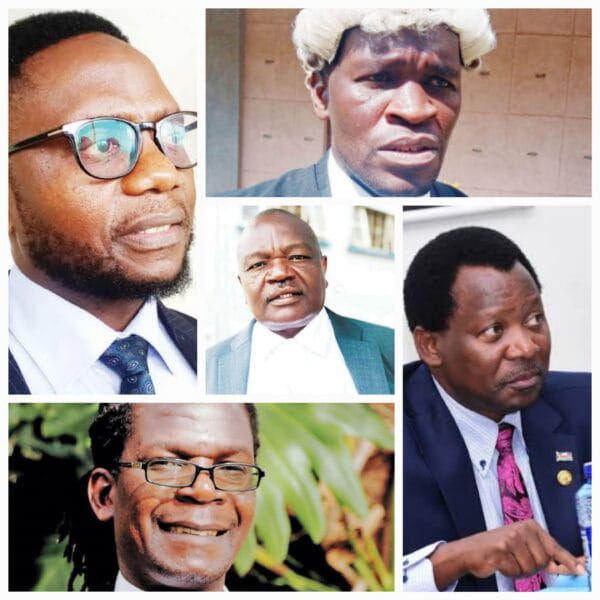 The Supreme Court’s judgment may have been delivered during his tenure, but the procedural failures that undermined the Government’s defence had accumulated over four Attorneys General and nearly ten years.
- Chingaipe Blames Political Interests for Malawi’s Economic Crisis
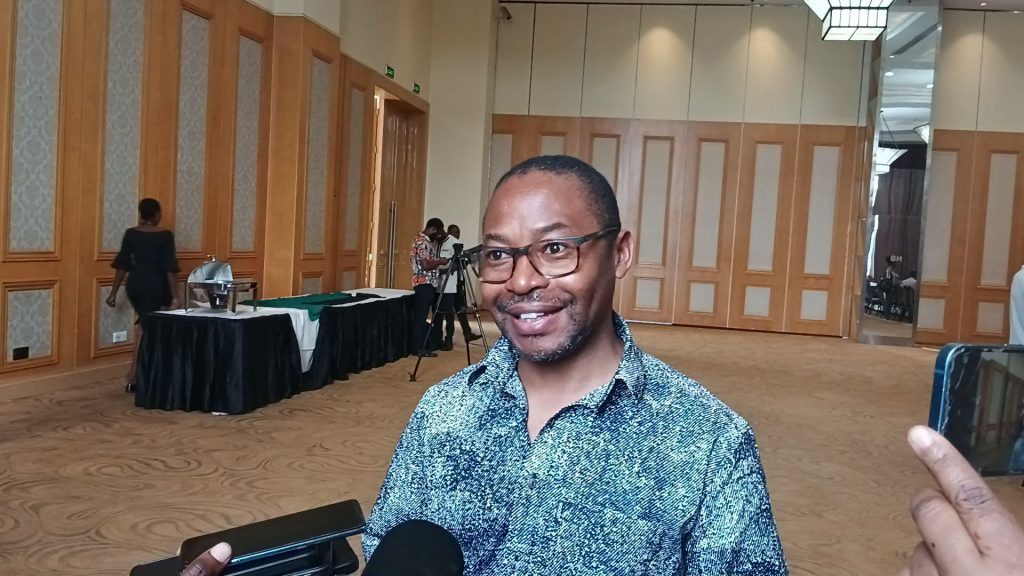 IPRSE head Henry Chingaipe says political interests are undermining economic decisions as Afrobarometer finds 60% of Malawians believe Malawi is heading in the wrong direction.
You may also like

DPP Supporters Demand Immediate Firing of Presidential Adviser Luthar Mambala Over ‘Betrayal’ of Freedom Fighters
By Suleman Chitera Supporters of the Democratic Progressive Party and loyalists of former President Peter Mutharika…
US Launches Fresh Strikes on Iran as Strait of Hormuz Crisis Deepens
By Suleman Chitera The United States has launched fresh military strikes on Iran for the second…
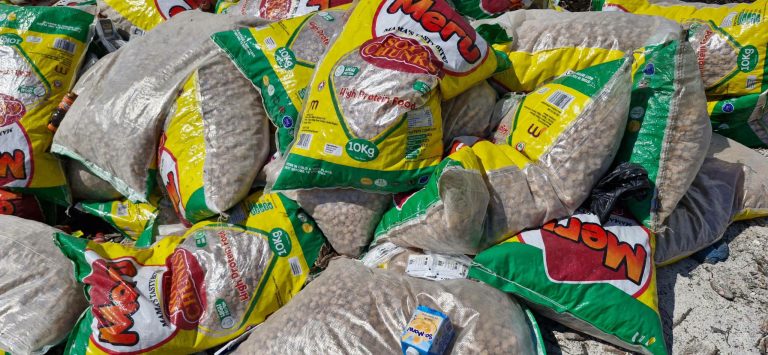
MBS Destroys 300 Bales of Expired Soya Chunks, Fines Blantyre Wholesaler K2 Million
By Suleman Chitera The Malawi Bureau of Standards (MBS) has destroyed approximately 300 bales of expired…

FDH Bank to explore opportunities in Africa’s Evolving FX Landscape at BAFT Africa Forum
FDH Bank Head of Global Markets and Trade Finance, Leslie Fatch will be among some eminent…
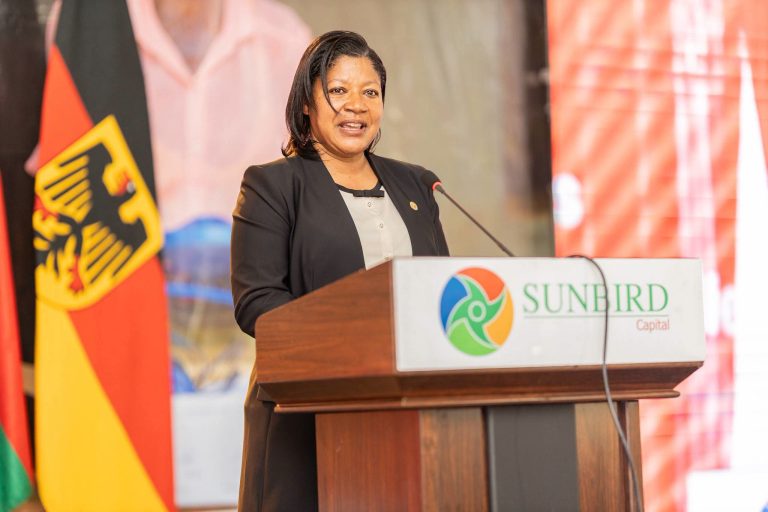
Malawi Expands Clean Energy Access as Over 170,000 People Benefit from GIZ-Funded Subsidy Programme
By Suleman Chitera LILONGWE, Malawi — Minister of Energy Jean Mathanga has hailed the success of…

Portland Cement Company Fined MK188.8 Million for Illegal Water Connections
By Suleman Chitera Blantyre Water Board (BWB) has fined Portland Cement Company MK188,829,200 after uncovering three…
You may also like

MRA Deploys Seven Drones Along Malawi Borders to Crack Down on Smuggling
By Suleman Chitera The Malawi Revenue Authority (MRA) has deployed seven drones along the country’s borders…
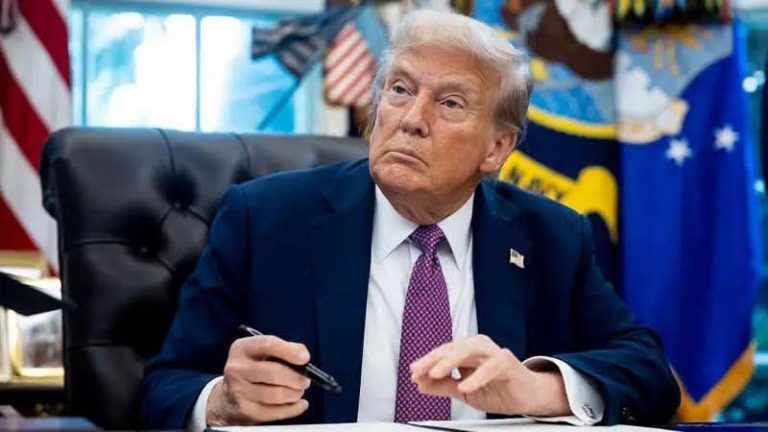
U.S. Visa Crackdown Could Shut the Door on Opportunities for Many Malawians
By Suleman Chitera Thousands of Malawians dreaming of studying, working, doing business, or seeking medical treatment…
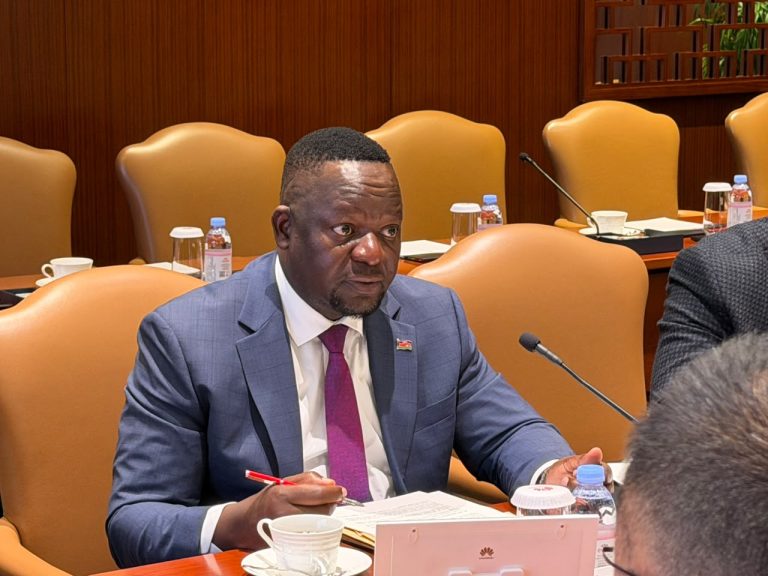
Malawi Government, Huawei Partner on MK311 Billion Digital Identity Project
Malawi Government, Huawei Partner on MK311 Billion Digital Identity Project to End Paperwork and Transform Public…

Goshen City Dedza Dynamos Sink Deeper Into Crisis After 2-0 Defeat to Blue Eagles
By Suleman Chitera Goshen City Dedza Dynamos’ difficult start to the 2026/2027 FDH Premiership season continued…
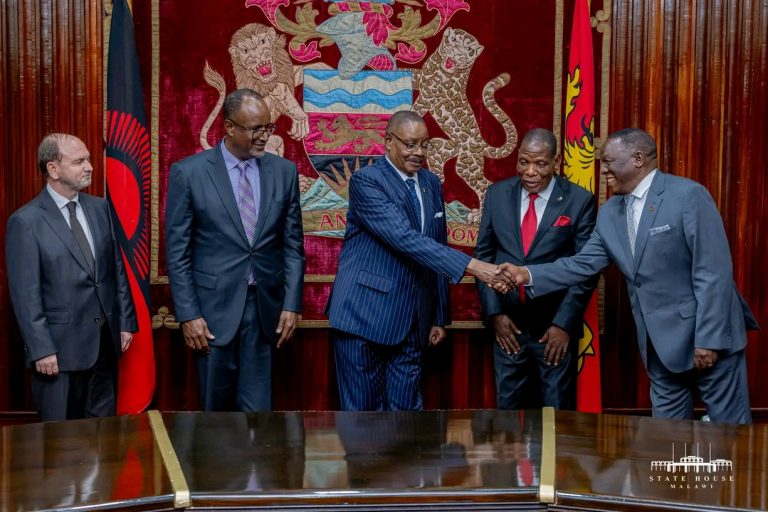
Mutharika proves that he is not hospitalized in South Africa
By Vincent Gunde President Professor Arthur Peter Mutharika on Thursday proved to his critics that he…

Suleman Chitera Hails Mutharika for Transparent Diplomatic Appointments
By Suleman Chitera Political and social commentator Suleman Chitera has applauded Malawi President and Democratic Progressive…