
 Suleman Chitera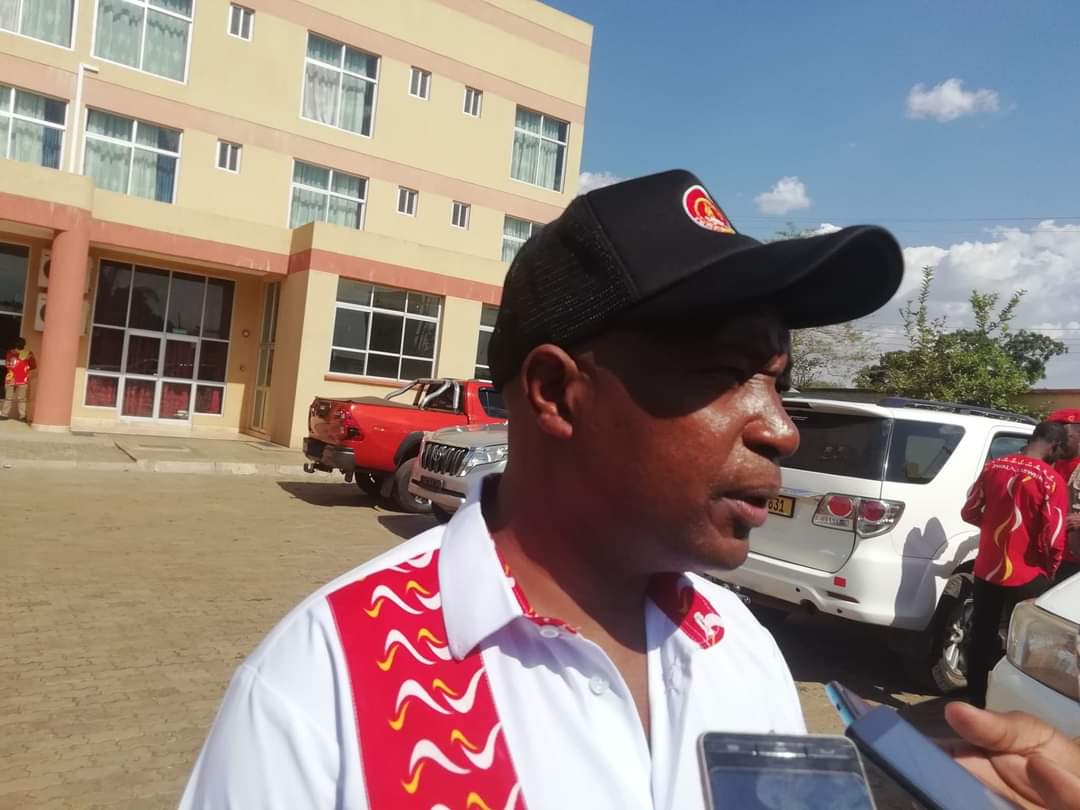
Dalitso Kabambe, one of the presidential aspirant for the UTM party, has called on delegates to vote for visionary leaders at the upcoming elective conference.
Speaking to Bua Central Region delegates in Kasungu District, he expressed confidence in his ability to lead the party to victory in the 2025 general elections.
“I’m very optimistic that if I am voted into the UTM presidential seat and win next year’s polls, my experience will help address the challenges Malawians face today,” Kabambe stated.
UTM Bua Central Region Governor Gerald Mbewe hailed Kabambe’s remarks, underscoring the need for intelligent leadership to ensure the party’s success.
The UTM party’s 2024 elective conference is scheduled for November 17.
Other news
- NBM Under-23 Championship launch Sunday

By Suleman Chitera
National Bank of Malawi (NBM) plc is set to launch the second season of its Under-23 NBM Championship at Rumphi Stadium on Sunday , as the bank strengthens its investment in grassroots football.
Following its inaugural season in 2025, the competition returns with a K600 million allocation under NBM plc’s new football sponsorship package, aimed at creating opportunities for young players to showcase their abilities and gain competitive experience.
The launch will feature a match between Young Challenges Reserve and Mkombezi Tough Challenges Reserve.
NBM plc Marketing and Corporate Affairs Manager Akossa Mphepo-Hiwa said the NBM Under-23 Championship reflects the bank’s commitment to nurturing emerging football talent.
“We recognise the potential that young people have, and this championship gives us an opportunity to see what they can achieve on the pitch. We are looking forward to an exciting season and hope the competition will attract strong support from football fans and communities,” said Mphepo-Hiwa.
She said the investment is part of a broader approach to football development, extending support beyond senior national teams and established competitions.
“We want to see young players benefit from structured competition and have a pathway to pursue their ambitions in the sport. We, therefore urge the people around Rumphi to come and witness beautiful football,” she said.
The launch will also feature music and other exciting activities, giving attendees an opportunity to open bank accounts, register for Mo626 Digital+, Mo626 Ice and Mo Wallet, and learn more about other NBM plc products and services.
Football Association of Malawi (FAM) Communications Officer Collins Nsunza confirmed that preparations for the launch are done.
“Last year we launched the competition in Mangochi, this year we are in the Northern Region to give an opportunity to Rumphi teams to play at the launch event. We anticipate a successful season like last year where we saw a lot of talent being unearthed,” he said
Meanwhile, Rumphi District Council Sports Officer Edmond Mandindi expressed optimism that the tournament would bring to light hidden talent in the district.
The championship forms part of NBM plc’s expanded three-year football sponsorship partnership with FAM.
The package increased from K930 million to K2.3 billion for the 2026/27 season, representing a 147 percent rise
- Man Fights for Life After Train Runs Over Him in Lilongwe
By Suleman Chitera, MFN Reporter
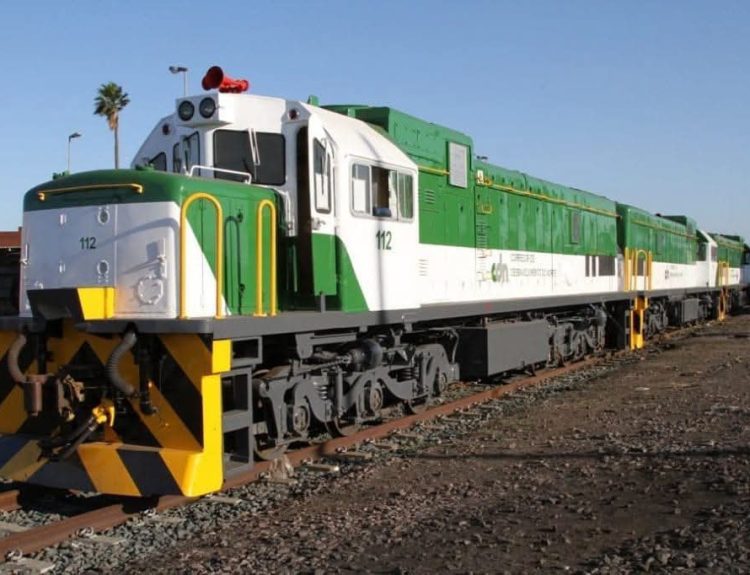
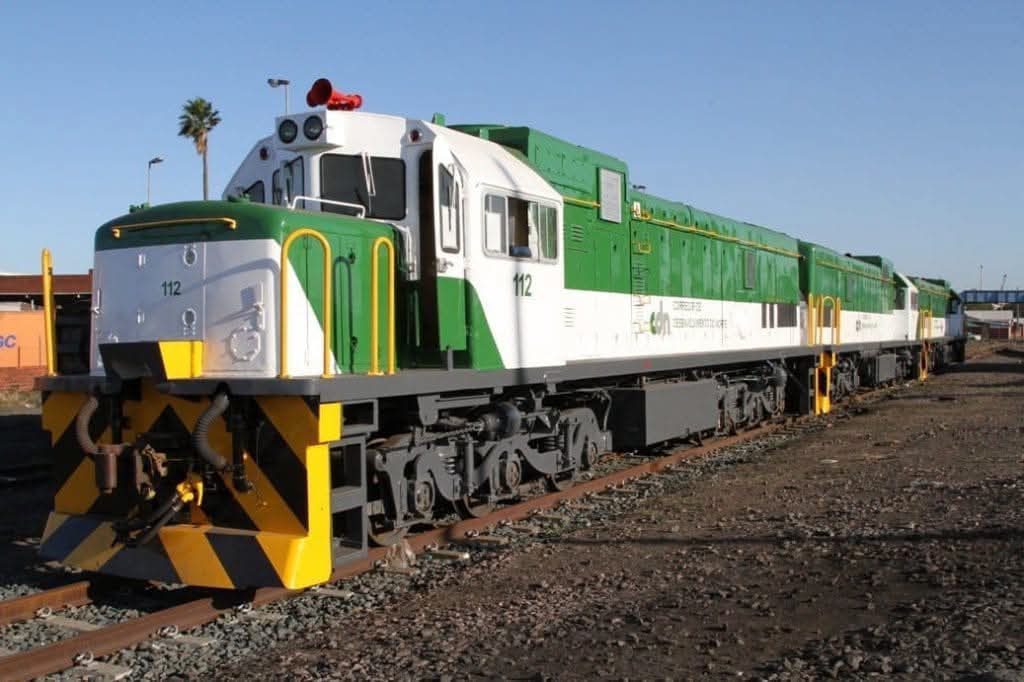
October 23, 2026A 35-year-old man is fighting for his life at Kamuzu Central Hospital (KCH) in Lilongwe after a train ran over him while he was sleeping on a railway line in the Kanengo Industrial Area.
The man, identified as Dyson Kumalinga, sustained severe head injuries in the incident, which occurred at around 11pm on October 22, 2026, in Area 28.
Kanengo Police Station Public Relations Officer, Sub-Inspector Macfarlen Mseteka, said Kumalinga was returning to his home in Chatata Village from a drinking place in Mgona when he stopped at a railway crossing and fell asleep.
According to Mseteka, the train was travelling from Kanengo towards Salima when it ran over Kumalinga.
He said the injured man was rushed to Kamuzu Central Hospital, where he is currently receiving medical treatment.
The incident has raised fresh concerns about public safety along railway lines, with police reporting that it is the fourth railway-related accident recorded during September and October alone.
Police have since warned the public against sleeping, playing or conducting business on railway lines, saying such activities expose people to serious injuries and the risk of death.
Mseteka has particularly urged people living near railway lines to remain vigilant and exercise caution, noting that the railway connecting Mchinji, Kanengo and Salima is now operational.
He said members of the public should avoid railway tracks and crossings unless it is safe to cross, and should never treat railway lines as places to rest or socialise.
The latest incident serves as a reminder of the dangers associated with railway lines and the need for communities to take safety precautions as train services resume.
- Omar Ayatu Athandiza Azimayi Achisilamu Kupita ku Ijitima
Olemba: Prince Hassan
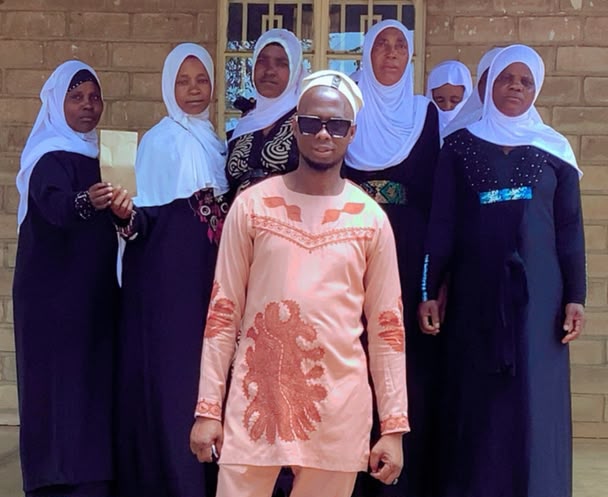
Wochita malonda, Omar Ayatu, wa ku Chimwala m’boma la Mangochi, wathandiza gulu la azimayi achisilamu la Chimwala Dawa Group ndi ndalama zothandizira ulendo wawo wopita ku Ijitima ku Salima.
Thandizoli labwera potsatira pempho lomwe azimayiwa anapereka kwa Ayatu kuti awathandize kukwaniritsa cholinga chawo chopita ku Ijitima.
Poyankhula atapereka thandizoli, Ayatu adati aganiza zothandiza azimayiwa chifukwa cha kufunitsitsa kwawo kutenga nawo mbali pa mwambowu komanso kufunika kogawana zomwe munthu ali nazo ndi ena.
“Ndinaona kuti ndiwathandize azimayi amenewa ndi cholinga choti akwaniritse khumbo lawo lokakhala nawo ku Ijitima imeneyi. Sikuti ndine wolemera ayi, koma ndimakonda kuthandiza magulu a anthu ndikakhala ndi kuthekera.
“Anthu ambiri amaopa kuthandiza chifukwa choganiza kuti zomwe ali nazo zingathe, koma siziyenera kukhala choncho. Ngakhale zochepa zomwe tili nazo, tiyenera kugawana ndi ena potsatira chiphunzitso cha chipembedzo chathu cha Chisilamu.
“Kuthandiza sikutanthauza kukhala ndi zochuluka ayi, koma kumadalira mtima wa munthu. Ndikupemphani kuti zomwe mukaphunzire ku Ijitima imeneyi zidzakulimbikitseni kukhala Asilamu abwino,” adatero Ayatu.
Polandira thandizoli, m’malo mwa gulu la Chimwala Dawa Group, Sister Lubia Nkozombe anathokoza Ayatu chifukwa choyankha mwachangu pempho lawo ngakhale kuti anali ndi zosowa zambiri.
Nkozombe adati anthu ena akapemphedwa thandizo amakonda kufufuza zinthu zambiri, zomwe zimachititsa kuti thandizo lochedwa lifike kwa omwe akulifuna.
“Anthu ena akapemphedwa thandizo amafufuza zambiri, nthawi zina kufuna kudziwa ngati pali zandale, ndipo izi zimatenga nthawi. Koma inu titakupemphani, nthawi yomweyo munatiyankha.
“Ambuye akudalitseni pa ntchito zachifundo zomwe mukugwira, ndipo Allah akupatseni zabwino. Anthu ena akakhala ndi chuma amadzitukumula moti zimavuta kuwafikira, koma inuyo simuli choncho,” adatero Nkozombe.
Pakadali pano, Ayatu akuchita ntchito zosiyanasiyana zachifundo m’dera la Mangochi Nkungulu Constituency, kuphatikizapo kukonza mizigo yoonongeka, kupereka mayunifolomu kwa ana asukulu komanso kuthandiza kukonza msewu wa Mpale-Chapola.
Msewu wa Mpale-Chapola ndi wautali makilomita asanu ndi limodzi (6km), ndipo Ayatu akuti akuthandiza pa ntchito yokonza mseuwu pogwiritsa ntchito ndalama zake.
Thandizo lomwe wapereka kwa azimayi a Chimwala Dawa Group likuwonjezera pa ntchito zachifundo zomwe akuchita m’derali, makamaka pothandiza anthu kukwaniritsa zosowa zawo komanso kulimbikitsa mgwirizano pakati pa anthu.
- “Is APM Still the Ansah?” — MCP Questions Leadership as Namalomba Defends President’s Absence
By Suleman Chitera, MFN Reporter
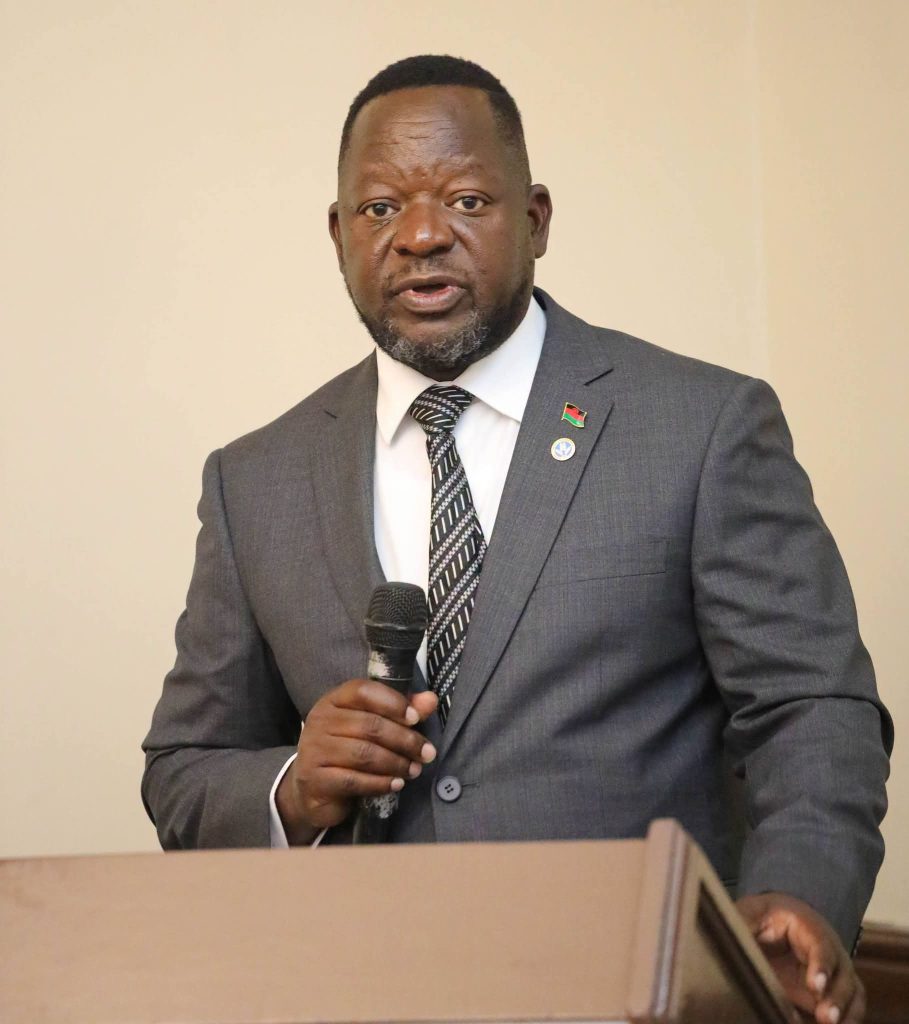
23 October 2026The Malawi Congress Party (MCP) has questioned the country’s leadership arrangements following President Peter Mutharika’s absence from Malawi, prompting Information Minister Shadreck Namalomba to defend the President amid growing economic challenges.
MCP officials Moses Kunkuyu and Jessie Kabwila have questioned Mutharika’s private trip abroad, demanding clarity as Malawians continue to face fuel shortages, electricity blackouts, rising prices and foreign exchange difficulties.
The opposition’s concerns have reignited debate over government transparency, presidential accountability and the administration’s response to the economic difficulties affecting ordinary citizens.
Namalomba Defends President
Responding to the criticism, Namalomba dismissed suggestions that Mutharika’s absence had created a leadership vacuum, insisting that the President remained in control of the country regardless of his location.
However, the minister declined to disclose the President’s whereabouts, describing the trip as private.
His response comes amid growing public concern over the country’s economic situation, with fuel shortages disrupting transport and business activities while electricity blackouts continue to affect households and businesses.
The opposition has questioned whether the government is communicating adequately with citizens during this challenging period.
MCP Demands Answers
Kunkuyu and Kabwila have challenged the government to explain the circumstances surrounding Mutharika’s absence and provide clarity on the country’s leadership.
Their criticism focuses on the contrast between government assurances and the economic difficulties facing ordinary Malawians.
For citizens struggling with rising living costs, fuel shortages and unreliable electricity, the immediate concern remains whether the government can deliver practical solutions to the problems affecting their daily lives.
The opposition’s questions have also placed the spotlight on the government’s responsibility to keep the public informed about matters of national importance.
Namalomba Accuses MCP
Namalomba also turned his criticism towards the MCP, accusing the opposition of contributing to the challenges it is now raising.
However, he did not provide evidence to substantiate the allegation in the remarks outlined.
The exchange has widened the political debate, with both sides facing questions about their claims and the evidence supporting their positions.
While the government maintains that Mutharika remains in control, the opposition is demanding greater clarity about his absence and the administration’s handling of the economic situation.
Questions Remain Over Economic Challenges
The dispute comes at a time when fuel availability, electricity supply, foreign exchange constraints and rising prices remain major concerns for Malawians.
The government’s position is that the President remains in charge despite being outside the country, while the MCP wants clearer communication and answers about the country’s leadership.
Ultimately, the public will be looking for more than political exchanges. Citizens need clear information about the country’s leadership and practical measures to ease the economic pressure affecting households and businesses.
As the debate continues, questions remain over when the government will provide further clarity about the President’s absence and what concrete steps it will take to address the challenges facing the country.
- The Walkers in kidney health awareness walk Saturday

By Suleman Chitera
The Walkers Social Club, a group of diverse professionals who walk every Saturday morning, will this Saturday engage in a kidney health awareness walk in collaboration with Mphukira Foundation.
The walk will start at 5am at HS Winehouse in Namiwawa through Chilomoni and climb the Michiru Mountain before trekking down to Namiwawa.
Coordinator for The Walkers Ethel Kafumbwa-Mtilatila said in an interview yesterday that they decided to partner with Mphukira Foundation in raising awareness about kidney health through the walk.
“Our friend Emmanuel Maliro who is in the USA receiving kidney treatment founded Mphukira Foundation in order to raise awareness about kidney health after discovering that he was born with only one kidney which has also been affected.”
“He reached out to us to help in raising awareness of kidney health so that more people should be aware of the disease before they are on the hospital beds receiving treatment. One of our core objectives as The Walkers is to promote wellness, community engagement, and charitable impact through walking and social events and that is why we are taking part in this event,” said Kafumbwa-Mtilatila.
Maliro thanked The Walkers group for organising the awareness walk this Saturday.
“This October, Mphukira Foundation is asking various groups to join us in raising awareness about kidney health. This is not a fundraising activity. We are encouraging different groups to use something they already enjoy doing to help start conversations about kidney health. We are glad that The Walkers will have their activity this weekend,” said Maliro.
Maliro, who runs the organisation alongside his wife, Dr. Susan Brown, said the idea is to get people talking about kidney health, a subject that is often ignored until someone becomes seriously ill.
“People should know their kidneys, understand how they work and learn how to take care of them. We should not only start discussing kidneys when someone is already in a dialysis ward. These conversations need to happen much earlier, before people develop serious kidney problems,” he said.
“For most of my life, I did not even know that I was born with only one kidney. I only discovered this when I became seriously ill. If I lived all those years without knowing, it is possible that many other people do not know either. That is why we are encouraging people to get their kidneys checked and know sooner, rather than waiting until something goes wrong,” said Maliro.
Maliro further said the campaign is not simply about walking or hiking, but about ensuring that participants learn something they did not know before and share that knowledge with others.
“We do not want people to just walk or hike and go back home. We want them to finish their activity having learnt something about their kidneys that they had never thought about before. And then we want them to take that message home to their husbands, wives, children, parents, uncles, aunties and other relatives.
“Ask someone what they know about their kidneys. Start a conversation. That is how we want the message to spread from one person to another, one family to another and one community to another,” said Maliro.
During the walk, the participants are expected to take photos and short videos which can be shared on various social media platforms as part of the October Kidney Awareness Campaign.
In December last year, The Walkers collaborated with Queen Elizabeth Central Hospital (QECH) Children’s Cancer ward to raise about K50 million for the children suffering from cancer at the referral hospital