
 Suleman Chitera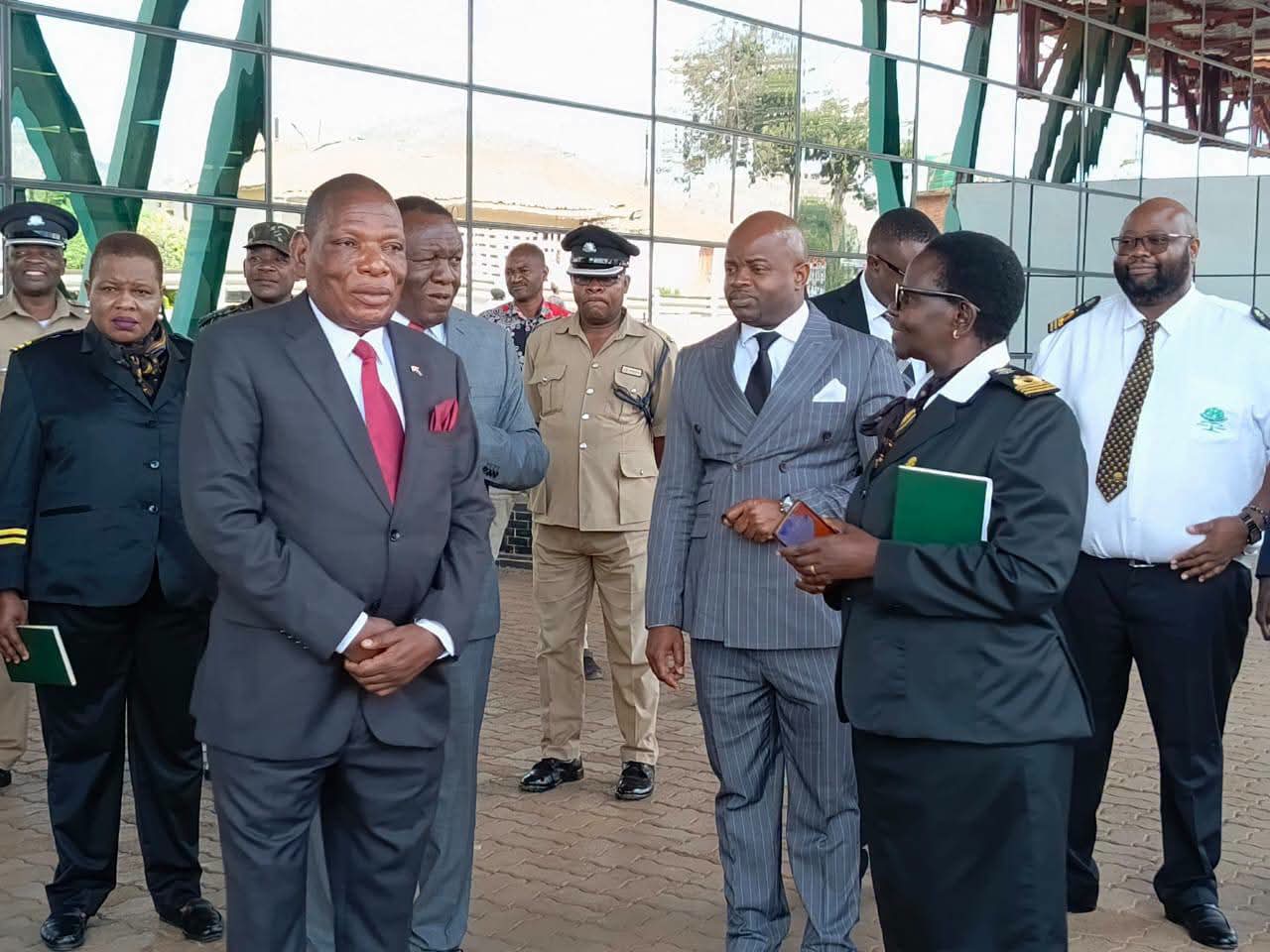
By Suleman Chitera
The Ministry of Finance has intensified efforts to strengthen Malawi’s domestic revenue mobilisation, with Finance Minister Joseph Mwanamvekha calling for closer engagement with revenue-collecting institutions to address operational challenges and unlock new sources of public resources.
Mwanamvekha said the government is engaging various revenue-collecting departments and offices to better understand the challenges affecting revenue collection and develop practical strategies to improve performance.
He said the initiative has become increasingly important as Malawi continues to face high debt levels and declining donor support, placing greater responsibility on the country to finance its development programmes through locally generated resources.
Mwanamvekha made the remarks after visiting the Mchinji One Stop Border Post (OSBP) and the Malawi Revenue Authority (MRA) port in Lilongwe, where he assessed operations and interacted with officials involved in revenue collection.
According to the minister, the visits are part of government’s broader efforts to gain a first-hand understanding of how revenue-collecting institutions are operating, identify bottlenecks and establish measures that can help increase revenue for the country.
He emphasised that Malawi’s demand for public services remains enormous, covering critical sectors such as health, education, infrastructure and social services.
This, he said, makes it essential for government to continuously explore new and more efficient ways of mobilising additional resources.
“The demand for public services is enormous,” Mwanamvekha said, stressing the importance of strengthening domestic revenue mobilisation to meet the country’s growing needs.
The Finance Minister’s engagements come at a time when the government is placing increased emphasis on improving revenue collection, reducing leakages and making revenue-collecting institutions more effective.
The approach also reflects the growing need for Malawi to strengthen its fiscal position and reduce excessive dependence on external financing at a time when traditional sources of donor support are under pressure.
Decline in Cement Imports Signals Growth in Local Production
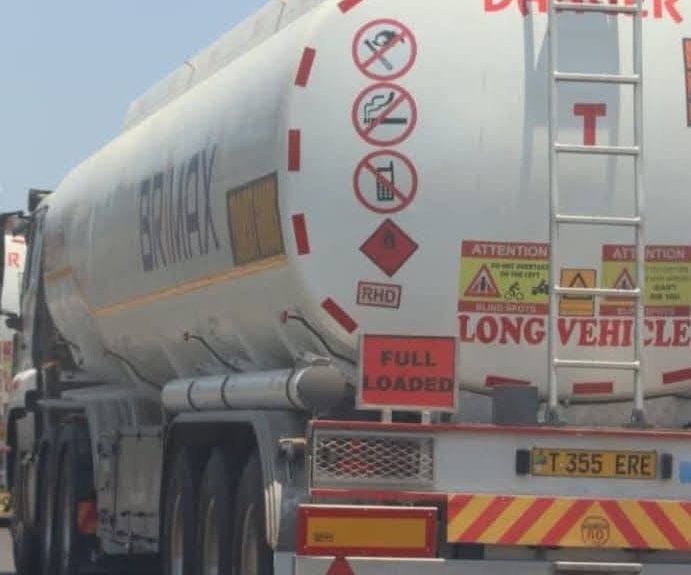
Meanwhile, officials at the Mchinji One Stop Border Post have reported a notable decline in cement imports, a development they say could indicate growing local production capacity.
Tapona Nkhata, Station Manager at Mchinji OSBP, said the reduction in cement imports is a positive development because it suggests that more cement is now being produced within Malawi.
She said the trend means consumers and businesses are increasingly able to source cement locally rather than relying heavily on imported supplies.
Nkhata described the development as an encouraging sign for Malawi’s industrialisation and economic development, particularly as the country seeks to promote local production and reduce dependence on imported goods.
The reduction in cement imports could also help retain more money within the domestic economy while supporting local manufacturers, creating employment opportunities and strengthening value chains around locally produced construction materials.
For Mwanamvekha, however, the wider objective remains clear: government must continue working with revenue-collecting institutions to improve efficiency, close gaps and ensure that Malawi receives the maximum possible benefit from economic activity taking place within the country.
The Ministry of Finance is therefore expected to maintain engagements with key revenue-collecting institutions as it works towards strengthening domestic resource mobilisation and creating a more sustainable foundation for financing Malawi’s development.
The minister’s visits to the Mchinji border post and MRA facilities underscore the government’s renewed focus on understanding challenges on the ground and translating that knowledge into practical measures that can boost revenue collection.
As Malawi works to address its fiscal pressures, stronger domestic revenue mobilisation could prove critical in enabling the country to finance essential public services, invest in development and build greater economic resilience.