

 Malawi Freedom Network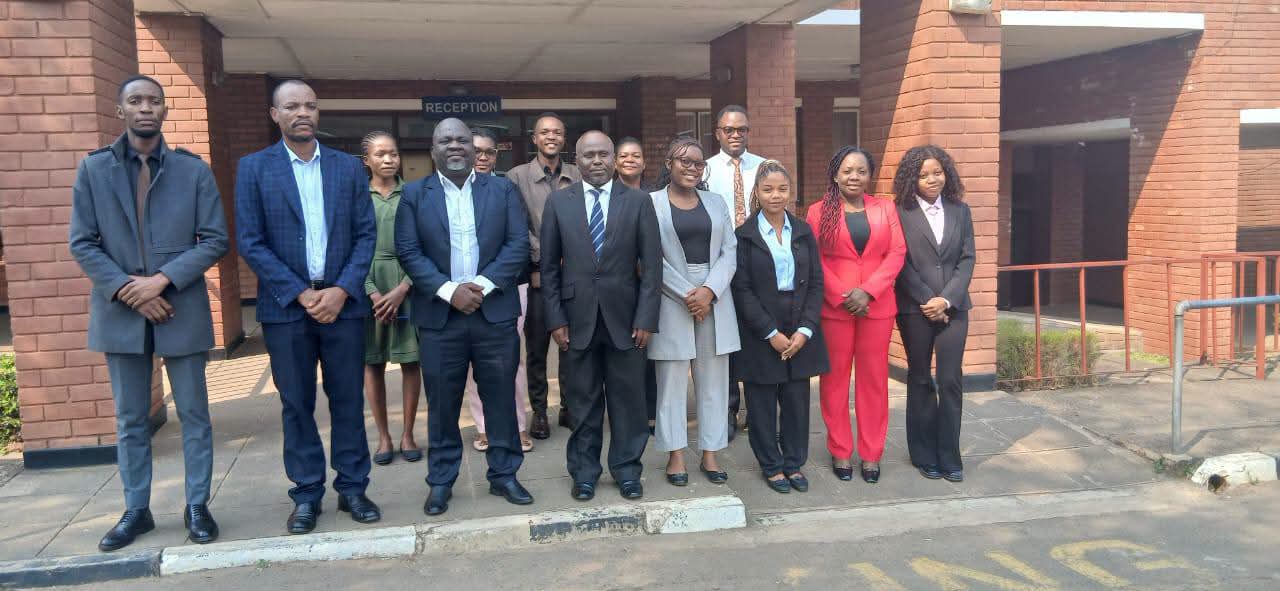
By Our Reporter
BLANTYRE, Malawi — The Malawi University of Science and Technology (MUST) and All Peoples Innovation Hub have formalised their partnership through a Memorandum of Understanding (MOU) aimed at strengthening practical training, professional skills development, innovation and research for students and other players in Malawi’s technology sector.
The MOU was signed on Wednesday, 12 August 2026, at MUST City Campus in Chichiri, Blantyre, formalising a collaboration that has been operating informally since January 2024.
Under the partnership, the two institutions will work together to provide students with practical exposure to the technology industry while creating opportunities for professional development, entrepreneurship, innovation and research.
The collaboration has already produced tangible results, with 28 final-year Information Technology (IT) students having completed practical placements at All Peoples Innovation Hub since the partnership began.
The formal agreement will now expand the collaboration around three key areas.
These include four-month Work Integrated Learning placements for IT students, joint professional short courses to be certified by MUST, and collaboration in innovation and research.
The innovation and research component will include joint technology projects and the development of grant applications aimed at mobilising resources for research and innovative solutions.
Speaking during the signing ceremony, All Peoples Innovation Hub Managing Director William Nchembe said the partnership would continue to expose students to the realities of the technology industry while supporting entrepreneurs and innovators.
Nchembe said practical exposure was critical in helping students translate theoretical knowledge gained in the classroom into skills that can be applied in real-world environments.
He said the Hub would continue working with MUST to create an environment where students could develop their technical and professional capabilities while also contributing to innovation.
Meanwhile, MUST Executive Dean Associate Professor Michael Zimba said the partnership was important in ensuring that university education responds to the changing needs of the technology industry.
Zimba said students needed more than academic qualifications to compete effectively in the employment market, stressing the importance of industry exposure in preparing graduates for professional life.
He said Work Integrated Learning placements would give students an opportunity to understand workplace expectations, develop practical skills and gain experience that complements their academic training.
The partnership also creates a platform for MUST and All Peoples Innovation Hub to jointly develop professional short courses, potentially allowing students and other professionals to acquire specialised skills aligned with developments in the technology sector.
The institutions will further collaborate on research and innovation projects, with joint efforts to identify technological challenges, develop solutions and pursue funding opportunities through grant applications.
The agreement is expected to strengthen the relationship between higher education and industry, an area increasingly regarded as important in ensuring that graduates possess skills that match labour-market demands.
For MUST students, the partnership provides an opportunity to gain direct industry experience before completing their studies, potentially improving their readiness for employment, entrepreneurship and further professional development.
For the innovation ecosystem, the collaboration could also create stronger links between students, researchers, entrepreneurs and technology practitioners.
The partnership comes at a time when Malawi is seeking to strengthen its digital economy and expand the role of technology, innovation and entrepreneurship in economic development.
By combining MUST’s academic and research capacity with the practical industry environment provided by All Peoples Innovation Hub, the two institutions are positioning the partnership to support the development of technology skills while encouraging locally driven innovation.
The signing of the MOU therefore marks a transition from an informal working relationship to a structured partnership with defined areas of cooperation.
Both institutions are expected to use the agreement to expand opportunities for students, strengthen professional training, undertake joint research and innovation initiatives, and contribute to the growth of Malawi’s technology sector.
The initial experience involving 28 IT students provides a foundation for the expanded collaboration, with the formal MOU expected to create a more sustainable framework for future student placements, professional training and joint innovation initiatives.
Also Malawi Freedom Network Invites Businesses to Partner With Independent Journalism