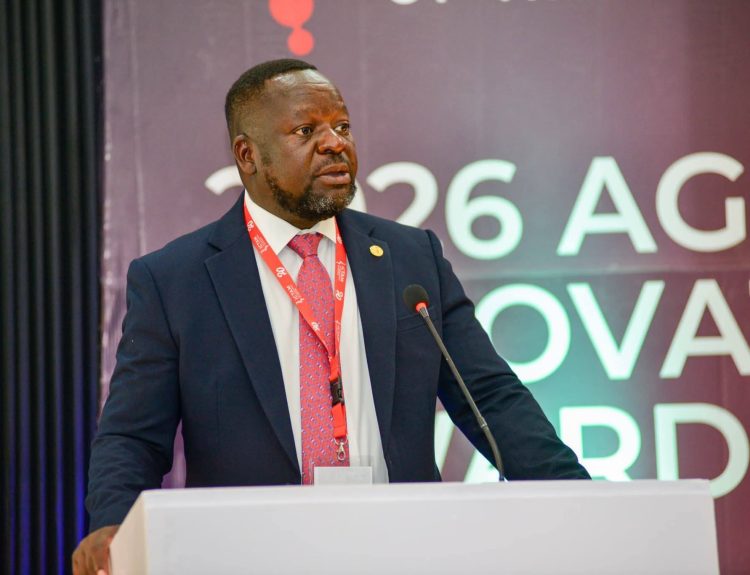
 Suleman Chitera
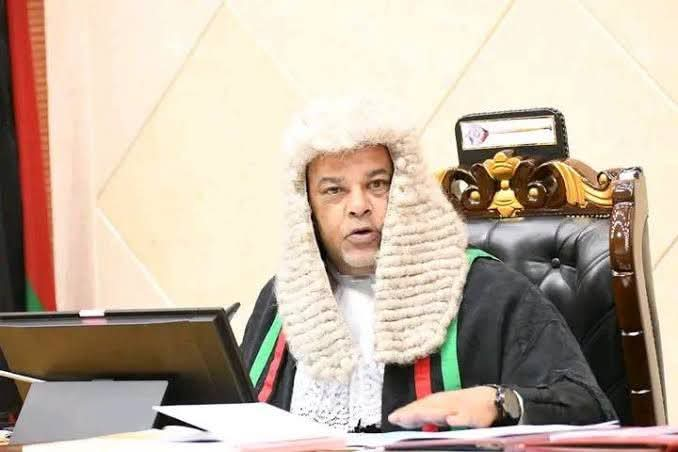
By Suleman Chitera, MFN Reporter
October 21, 2026
The Office of the Speaker of Parliament has revealed that it was not consulted before Attorney General Frank Mbeta took over a judicial review case challenging the establishment of parliamentary joint committees, exposing a serious disagreement over the legal position surrounding the dispute.
In a written response to Times 360 Malawi, the Speaker’s Office confirmed that it was aware of Mbeta’s involvement in the case but said it was neither consulted nor asked to provide its position before the decision was made.
The revelation raises questions about coordination between the Attorney General and Parliament on a legal matter directly affecting the legislature’s authority to establish joint committees.
The Speaker’s Office has also disclosed that its legal position differs from that reportedly advanced by Mbeta, who has argued that establishing the committees without the President’s involvement was unlawful.
The disagreement places the Attorney General and the Office of the Speaker on opposing sides of a critical constitutional and parliamentary question: whether the establishment of the joint committees required the President’s involvement.
At the centre of the dispute is a judicial review case initially handled by private lawyer Bright Theu before Mbeta took over the matter.
The Speaker’s Office has not publicly detailed the full extent of its disagreement with the Attorney General’s position in the response cited by Times 360 Malawi. However, its confirmation that it was not consulted adds another dimension to the unfolding legal battle.
The development is significant because parliamentary committees play an important role in legislative oversight, scrutiny of public affairs and holding government institutions accountable.
Any legal challenge concerning how such committees are established therefore carries implications for the relationship between Parliament and the Executive.
The Attorney General’s reported position that presidential involvement was necessary has brought the question of executive authority into the dispute, while the Speaker’s Office maintains a different legal interpretation.
It remains unclear whether the two offices will reconcile their positions as the judicial review proceedings continue.
For now, the revelation that the Speaker’s Office was not consulted before the Attorney General took over the case leaves unanswered questions about how the legal strategy was determined and whether Parliament’s institutional position was adequately considered.
Malawi Freedom Network will continue to follow developments in the case as questions over parliamentary authority, executive involvement and the legality of the joint committees unfold.