
 By Burnett Munthali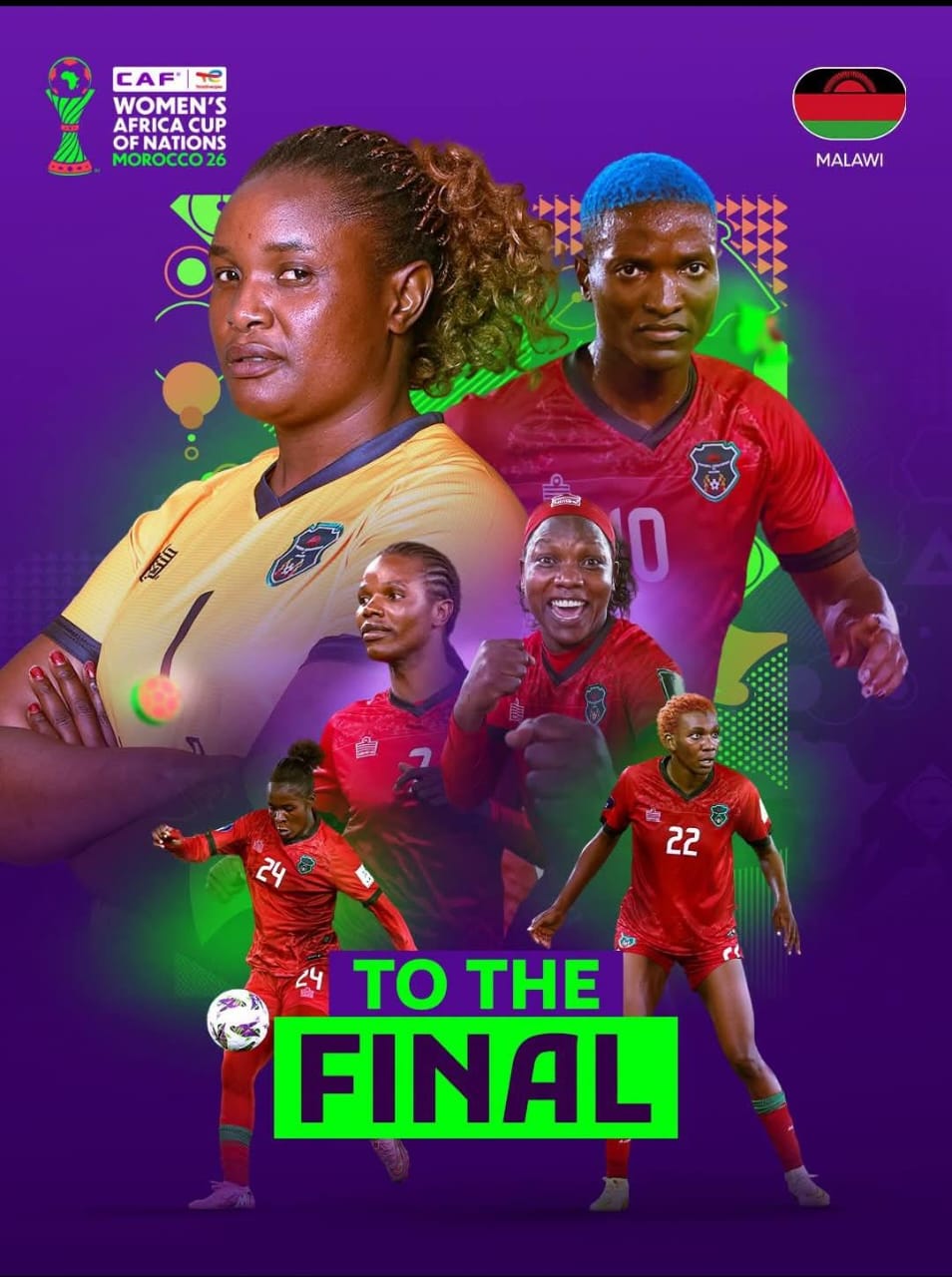
By Burnett Munthali
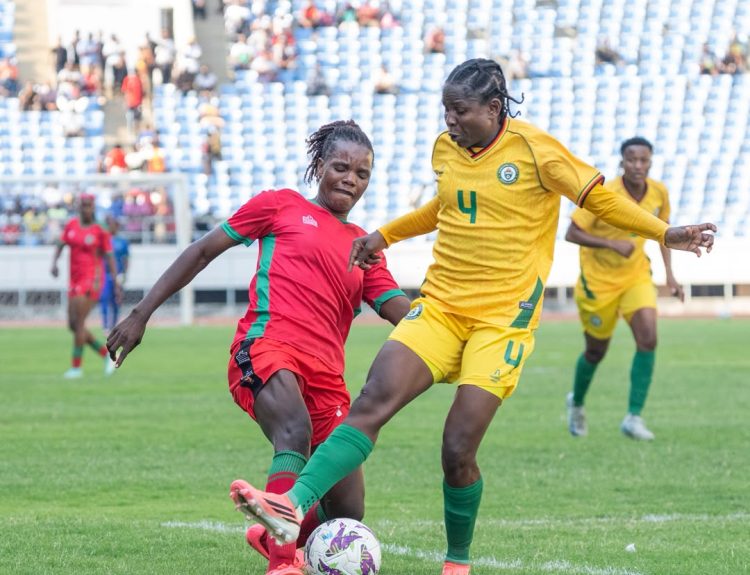
Rabat, Morocco — Malawi have reached the final of the Women’s Africa Cup of Nations for the first time after beating Algeria 3–1 in a landmark semi-final that has taken the Scorchers to the threshold of continental glory.
The victory caps an extraordinary debut tournament for Malawi, who entered the competition without previous WAFCON finals experience but have now emerged as one of the leading sides in Morocco.
Captain Tabitha Chawinga delivered another influential performance, scoring twice, while her sister Temwa Chawinga was also on the scoresheet as Malawi produced a clinical display in front of goal.
Malawi took the lead in the 33rd minute when Tabitha finished an attacking move to put the Scorchers ahead.
The advantage was doubled shortly before the interval. Temwa found the net in stoppage time, giving Malawi a two-goal cushion at the break.
Algeria responded strongly after half-time and reduced the deficit through Ikram Adjabi in the 60th minute.
The response, however, failed to unsettle Malawi. Tabitha struck again in the 76th minute to restore the two-goal advantage and complete her brace.
Algeria were unable to find another opening as Malawi defended their lead through the closing stages to secure a historic final place.
The match also produced disciplinary drama, with both teams reduced to 10 players after red cards during the contest.
For Malawi, the result represents the latest chapter in a tournament that has exceeded all expectations.
The Scorchers began their campaign by stunning defending champions Nigeria 3–2 before recording a 3–1 victory against Egypt. They then defeated Ghana 2–1 in the quarter-finals to reach the last four.
That quarter-final victory also secured Malawi’s qualification for the 2027 FIFA Women’s World Cup in Brazil, giving the team another historic achievement before Wednesday’s semi-final.
The attacking partnership between the Chawinga sisters has been central to Malawi’s success.
Tabitha has provided leadership and decisive finishing, while Temwa has offered pace and penetration in the final third. Together, they have become the focal point of Malawi’s attacking game.
But the Scorchers’ progress has not been built solely around individual brilliance. Their ability to respond to setbacks, maintain their shape under pressure and take advantage of key moments has been equally important throughout the tournament.
Malawi will now wait for the outcome of the second semi-final between hosts Morocco and Cameroon to discover their opponents in the championship match.
The final will give the Scorchers an opportunity to complete a remarkable transformation from tournament newcomers to potential African champions.
Whatever happens in the title decider, Malawi have already secured one of the most significant achievements in the history of their women’s national team.
But with the final now within reach, the Scorchers have a chance to turn an extraordinary campaign into an African championship.