
 Suleman Chitera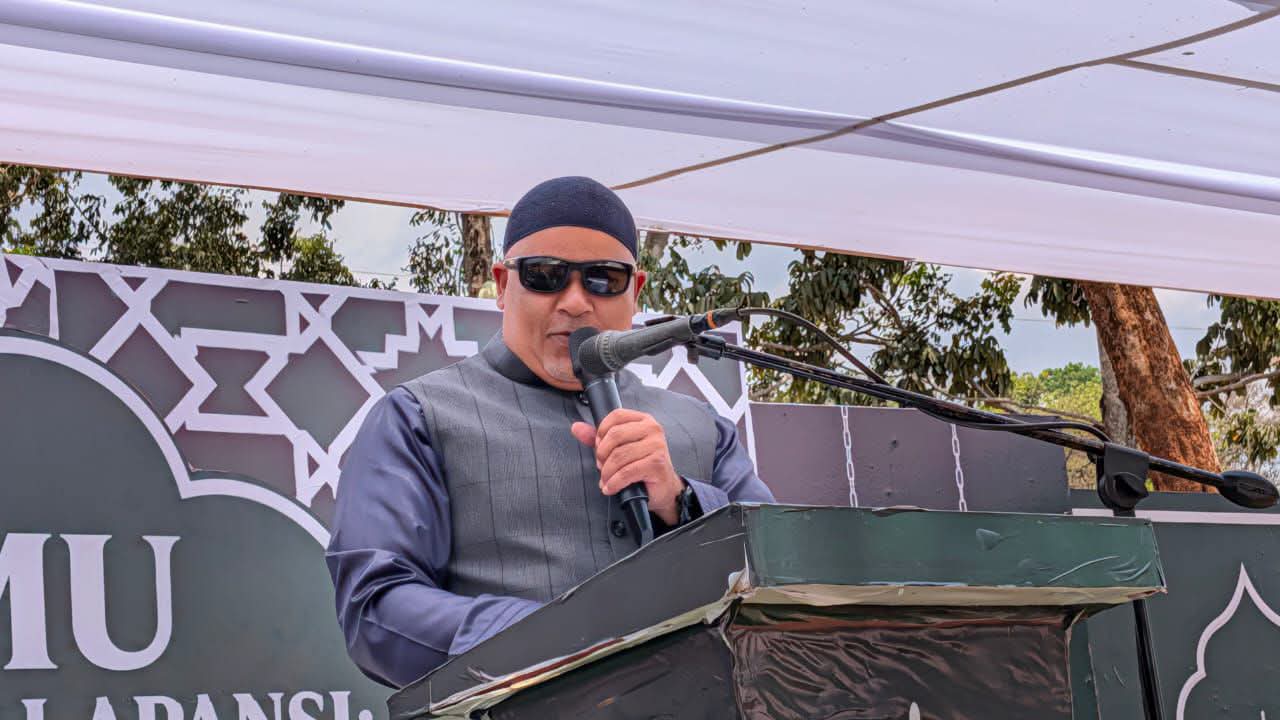
The Speaker of the National Assembly says Malawi cannot develop while public funds meant for the poor are allegedly stolen, challenging Muslims to speak out against corruption and questioning their representation in Cabinet.
By Suleman Chitera, MFN Reporter
Malawi Freedom Network | October 17, 2026
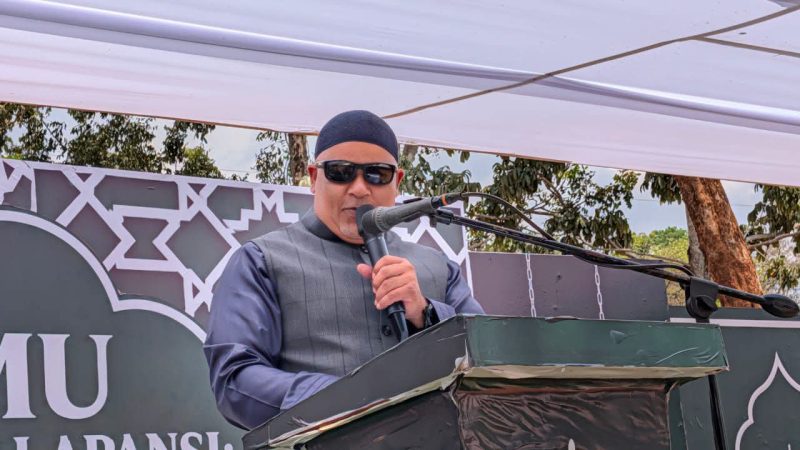
Speaker of the National Assembly Sameer Suleman has declared that he is prepared to lose his position in the fight against corruption, warning that Malawi cannot achieve meaningful development while powerful interests allegedly benefit at the expense of ordinary citizens.
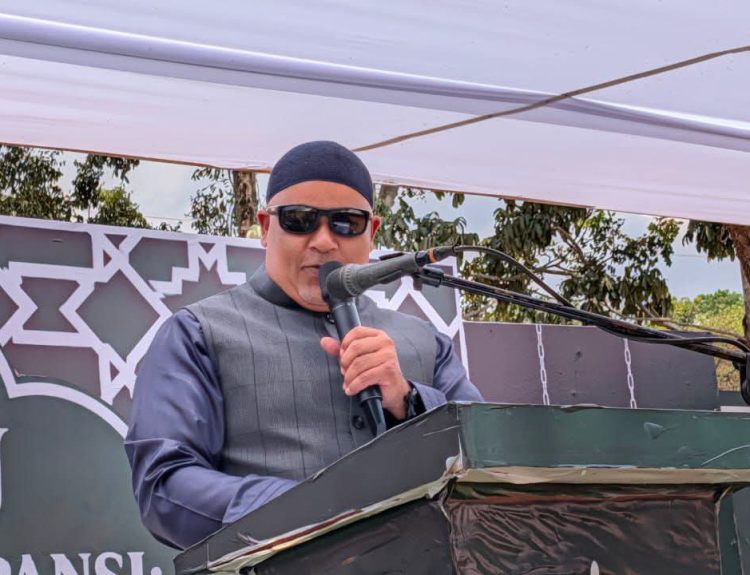
Suleman made the remarks today during an Islamic Dawah Day held at City Centre Masjid in Lilongwe, where thousands of Muslims gathered for the religious event.
Addressing the gathering, the Speaker expressed concern over the alleged theft of public resources, arguing that corruption undermines development and worsens the suffering of poor Malawians.
“I will fight for the betterment of this country. I don’t care if you remove me,” Suleman declared.
His remarks delivered a strong message about his stated determination to confront corruption, regardless of the potential consequences for his position.
He argued that Malawi needs fundamental changes to a system he believes allows powerful interests to undermine the country’s development.
‘The Country Is Captured by Cartels’
Suleman did not hold back when describing what he considers one of the biggest obstacles to Malawi’s progress, accusing powerful interests of benefiting from a system that should serve the public.
“The country is captured by the cartels. The system needs to be broken for Malawi to transform for the betterment of the citizenry,” he said.
The Speaker’s remarks raise questions about accountability in public institutions and the protection of resources intended to improve citizens’ lives.
Corruption involving public funds can undermine essential services, weaken development programmes and deprive vulnerable communities of resources they urgently need.
For ordinary Malawians struggling with poverty, the consequences can be severe when money allocated for public services and social support fails to reach its intended beneficiaries.
However, the specific individuals or networks allegedly involved in the conduct Suleman described were not identified in the remarks provided. The allegations therefore require further investigation and supporting evidence.
Fertiliser Funds and the Suffering of the Poor
The Speaker also expressed concern about the alleged theft of funds intended to support poor Malawians, particularly through fertiliser assistance programmes.
He argued that resources allocated to help vulnerable households should be protected rather than diverted for personal gain.
For farming families, access to affordable fertiliser can make a significant difference to agricultural production, food security and household incomes.
When funds intended for agricultural support are mismanaged or stolen, the consequences can extend beyond government finances, potentially affecting farmers’ productivity and the welfare of their families.
Suleman’s concerns highlight the importance of ensuring that public resources reach the people for whom they are intended.
The crucial questions are whether the specific funds he referred to were stolen, who may have been responsible and whether the relevant authorities have investigated the allegations.
Suleman Challenges Muslims to Speak Out
Speaking before thousands of Muslims gathered at City Centre Masjid, Suleman also raised concerns about the representation of Muslims in government.
He questioned why, according to his remarks, there was no Muslim minister in the Cabinet and challenged Muslims to become more vocal on national issues.
“Muslims, wake up,” he urged, according to the remarks provided.
The Speaker further claimed that Muslims number more than five million in Malawi, arguing that their concerns about national affairs should not be ignored.
The population figure and the claim about Cabinet representation require independent verification.
His comments brought religious representation into a broader discussion about political inclusion, public accountability and the responsibility of citizens to demand good governance.
Suleman’s appeal was that Muslims should not remain silent when public resources intended to help vulnerable citizens are allegedly stolen.
However, the responsibility to fight corruption extends across all religious communities. Protecting public funds and demanding accountability are matters of national interest that affect Malawians regardless of their religious beliefs.
Invokes Islamic Teachings on Theft
Suleman also invoked Islamic teachings on punishment for theft, arguing that stealing resources intended for public benefit damages development and makes life harder for poor people.
He referred to the Islamic legal punishment involving the cutting off of a thief’s hand to emphasise the seriousness with which theft is treated in Islamic jurisprudence.
The application of such punishments is subject to strict legal conditions and differing interpretations within Islamic jurisprudence. In Malawi, allegations of criminal conduct must be addressed through the country’s applicable laws and established judicial processes.
The broader message in Suleman’s remarks was that those responsible for stealing public resources should be held accountable.
For citizens who depend on government assistance, the protection of public funds is directly linked to whether development programmes can deliver meaningful results.
A Challenge to Malawi’s Leadership
Suleman’s declaration that he is prepared to lose his position rather than abandon his stated commitment to Malawi’s development places the spotlight on the wider fight against corruption.
His remarks at the Islamic Dawah Day raise important questions about the effectiveness of existing accountability mechanisms and whether allegations involving public resources are investigated impartially.
Strong declarations against corruption can capture public attention, but their impact ultimately depends on action.
Will allegations of public fund theft be properly investigated? Will those found responsible face the consequences under the law? And will institutions strengthen safeguards to prevent public resources from being diverted?
These questions matter to farmers waiting for fertiliser assistance, families struggling with the cost of living and communities depending on public services.
For them, the fight against corruption is not simply about political statements. It is about whether money intended to improve their lives actually reaches them.
Suleman’s message at City Centre Masjid was clear: Malawi cannot achieve meaningful development if public resources are not protected and those responsible for corruption are not held accountable.
The ultimate test will be whether the concerns raised translate into concrete action, stronger institutions and better protection of taxpayers’ money.