
 Suleman Chitera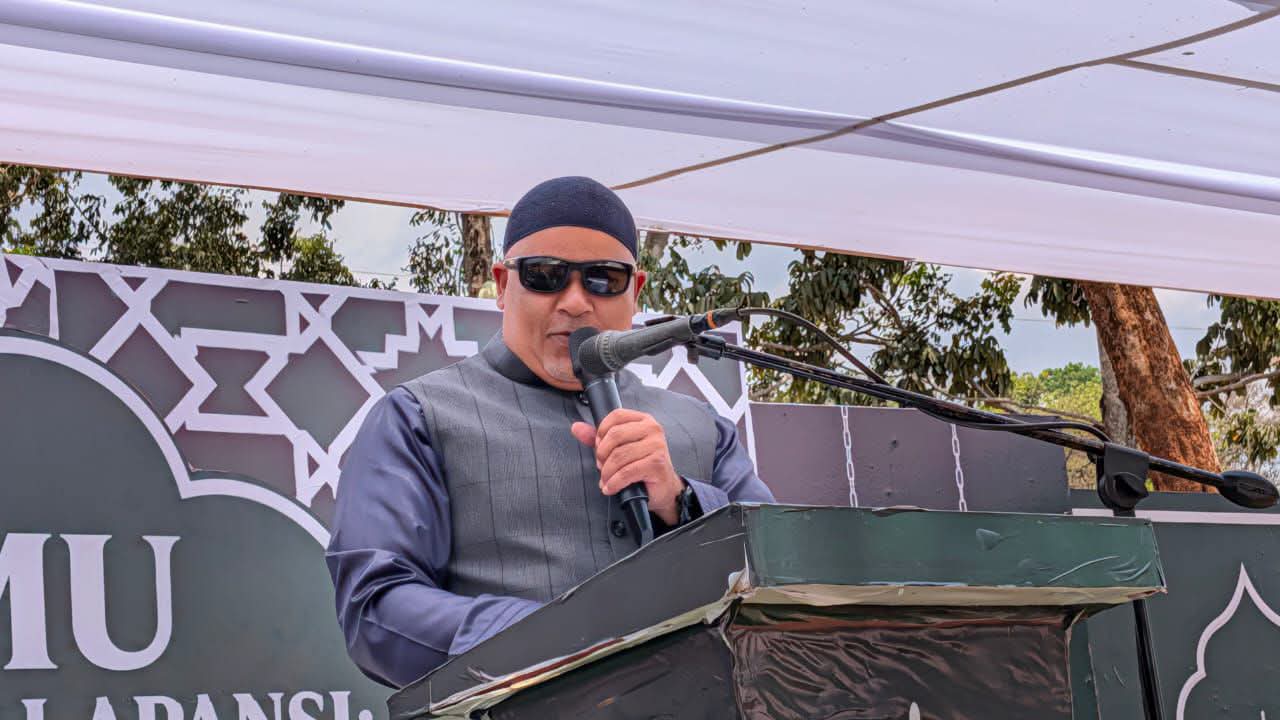
Speaker of Parliament Sameer Suleiman has condemned the alleged theft of public funds intended to support poor Malawians, warning that corruption is undermining development and efforts to improve the welfare of vulnerable citizens.
By Suleman Chitera, MFN Reporter
Malawi Freedom Network | October 17, 2026
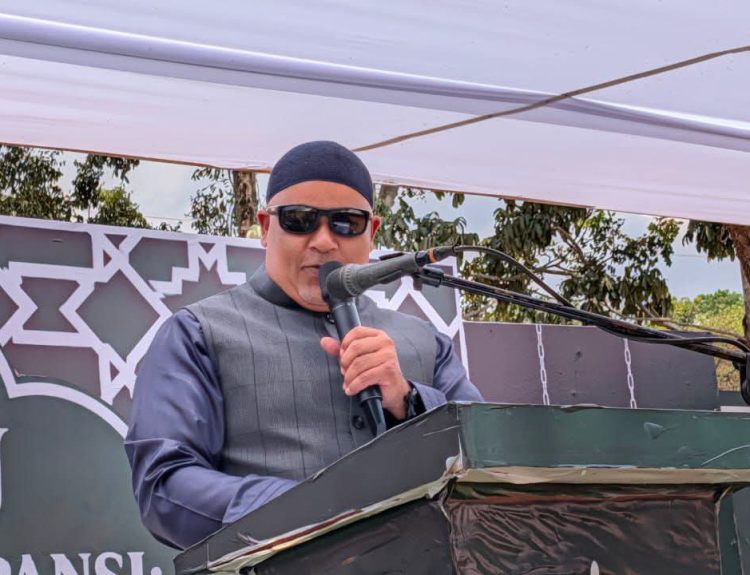
Speaker of Parliament Sameer Suleman has called for decisive action against the theft of public resources, particularly funds allocated to purchase fertiliser for poor Malawians, arguing that those responsible must face punishment if found guilty.
Suleman made the remarks on Saturday in Lilongwe during a Dawah activity organised by the City Centre Masjid Committee at City Centre Masjid, where he raised concerns about corruption, accountability and systemic challenges preventing meaningful development in Malawi.
He lamented that the country’s biggest challenge was not simply the existence of corruption, but a system that he believes makes it difficult to bring about the changes necessary for national prosperity.
According to Suleman, public resources intended to improve people’s lives are being misappropriated, leaving ordinary citizens vulnerable while those entrusted with protecting public funds are expected to ensure that the money reaches its intended beneficiaries.
He singled out funds meant for fertiliser purchases, highlighting the potential consequences of corruption for poor households that depend on government support to sustain agricultural production and household food security.
“People are stealing public funds meant to buy fertiliser for the poor Malawians, but if someone speaks against it, some people are busy trying to remove such a person,” Suleman said.
He then issued a direct challenge to those he believes are uncomfortable with efforts to expose wrongdoing.
“You will remove us,” he challenged.
Suleiman Defends Punishment for Corruption
The Speaker also invoked Islamic teachings to argue that punishing individuals found guilty of stealing public resources is not prohibited by Islam.
Quoting the Qur’an in support of his argument, Suleiman maintained that accountability and punishment for wrongdoing should not be treated as unacceptable when the objective is to protect society and ensure justice.
He stressed the importance of confronting corruption rather than allowing those implicated in the theft of public resources to escape accountability.
His remarks placed the protection of public funds within a broader moral argument about justice, responsibility and the obligation to safeguard resources intended to benefit vulnerable members of society.
However, allegations of theft must be established through proper investigations and due legal process before individuals can be held criminally responsible.
Concerns Over Abuse of Power and Political Protection
Suleman further expressed concern that some individuals wield influence beyond their official responsibilities, potentially making it difficult to challenge misconduct involving people connected to them.
He observed that some powerful individuals have relatives who, according to his allegations, are involved in the theft of public funds intended for various development activities.
The remarks raise questions about the role of accountability institutions and the importance of ensuring that public officials and their associates are not shielded from scrutiny because of their connections.
For Malawi, where public expenditure is expected to support essential services and development programmes, allegations of corruption involving resources intended for vulnerable citizens carry significant public-interest implications.
Funds allocated for agricultural support, infrastructure and other development priorities are meant to address people’s needs. Any diversion of such resources can undermine the intended benefits and weaken public confidence in government institutions.
Suleman’s comments therefore highlighted the importance of strengthening accountability mechanisms and ensuring that concerns about the misuse of public funds can be raised without intimidation.
Speaker Calls for Commitment to the Poor
Drawing on his faith, Suleiman urged people to remain committed to defending the interests of poor and vulnerable citizens, even when doing so attracts opposition.
He said Islam teaches that a person who dies fighting for the poor will receive a great reward in Jannah, the Islamic concept of Paradise.
“Islam teaches us that if you die fighting for the poor, Allah will grant you great reward in Jannah,” he said.
The statement underscored his argument that standing against corruption and defending disadvantaged people should be regarded as a moral responsibility rather than an act to be discouraged.
His message also reflected the connection he drew between religious values and the responsibility to protect public resources from abuse.
The Bigger Question of Public Accountability
Suleman’s remarks come amid continuing public concern about the management of public resources and the effectiveness of measures intended to protect government funds.
His criticism raises a fundamental question: how can Malawi ensure that money allocated for development reaches the people it is intended to help?
Addressing such concerns requires transparent public spending, effective investigations into credible allegations of corruption, independent oversight and the consistent application of the law.
It also requires an environment in which individuals can raise concerns about suspected wrongdoing without fear of retaliation.
While Suleman’s remarks were delivered during a religious gathering, their implications extend beyond the mosque to the broader national debate about governance, integrity and the protection of public resources.
For poor Malawians who depend on agricultural support and other public programmes, the central issue is whether the resources allocated in their name will reach them.
Suleman’s message was clear: public funds intended to help the poor must be protected, and those found guilty of stealing them must be held accountable.