

 Suleman Chitera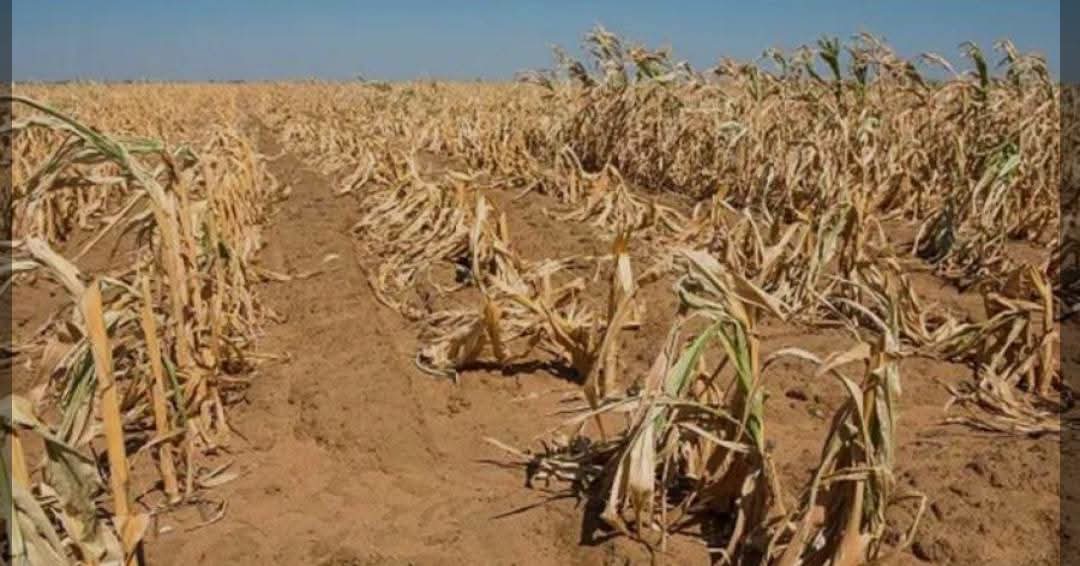
By Suleman Chitera
The Malawi Government says it is stepping up preparations for possible El Niño conditions during the 2026/27 rainy season, warning that below-normal rainfall and prolonged dry spells could pose significant risks to agriculture, food security, water availability, electricity generation and household livelihoods.
Government officials say current seasonal forecasts indicate that some parts of the country, particularly the Southern Region, could experience reduced rainfall and extended dry periods.
However, authorities have urged Malawians not to panic, saying contingency measures are already being put in place to reduce the potential impact of the weather conditions.
K488.5 billion response plan
Government has developed a national El Niño response plan estimated at K488.5 billion to support preparedness, mitigation and response activities.
Of this amount, K163.7 billion has already been mobilised, leaving a funding gap of approximately K324.8 billion.
The authorities say additional resources will be required to ensure that vulnerable communities, farmers and critical sectors have adequate support should the country experience severe rainfall deficits.
The response plan is expected to cover interventions in agriculture, food security, water, energy, social protection, disaster preparedness and early warning systems.
Government targets 440,000 tonnes of maize
One of the key measures being pursued is the securing of approximately 440,000 metric tonnes of maize to strengthen the country’s food reserves and cushion households against possible production losses.
The move comes amid concerns that prolonged dry spells could affect crop development and reduce yields in areas that depend heavily on rain-fed agriculture.
Government also plans to pre-position essential supplies in strategic locations so that assistance can be delivered quickly to communities affected by drought or other climate-related shocks.
Authorities say early preparedness is critical because waiting until communities begin experiencing severe shortages could make the response more costly and difficult.
Agriculture faces major risk
Agriculture remains one of the sectors most exposed to El Niño conditions because a large proportion of Malawi’s farmers depend on rainfall.
A poor or poorly distributed rainy season could affect planting, crop establishment and yields, particularly among smallholder farmers.
Government is therefore encouraging farmers to closely follow official weather forecasts and seek guidance from agricultural extension workers before making decisions about planting.
Farmers are also being encouraged to consider appropriate crop varieties, planting periods and water-conservation practices based on conditions in their respective areas.
The advice is intended to help farmers reduce the risk of investing scarce resources in crops that may struggle if rainfall becomes insufficient.
Water and electricity generation concerns
The potential effects of below-normal rainfall extend beyond agriculture.
Reduced rainfall could put pressure on water resources, particularly in communities and areas already vulnerable to water shortages.
The energy sector could also be affected because Malawi relies significantly on hydropower generation. Lower water levels in key reservoirs and rivers can reduce the amount of water available for electricity generation.
Government says water-resilience measures are therefore part of the broader preparedness strategy.
The authorities are also strengthening programmes aimed at improving communities’ ability to conserve and manage water during periods of scarcity.
Strengthening early-warning systems
Another major component of the response is the strengthening of early-warning systems.
Government wants communities to receive timely and understandable information about changing weather conditions so that farmers, households, businesses and public institutions can make informed decisions.
Officials are urging the public to rely on information from official meteorological and government channels rather than rumours or unverified social-media reports.
Early warnings, authorities say, can give communities valuable time to adjust agricultural activities, protect livestock and water sources, and prepare for possible shortages.
Drought insurance and resilience measures
Government is also supporting drought insurance and other resilience programmes aimed at protecting farmers and vulnerable households from the financial consequences of climate-related shocks.
Such interventions are intended to complement emergency assistance by helping communities build the capacity to withstand periods of poor rainfall.
Authorities say strengthening resilience is increasingly important as Malawi continues to face climate-related risks that can have serious consequences for food production and household incomes.
Government urges Malawians to remain calm
Despite the risks associated with the forecast, Government has emphasised that the situation should not cause unnecessary panic.
Instead, communities are being encouraged to prepare early and make use of available technical advice.
Farmers are particularly being urged to remain alert to official updates and consult extension workers regarding when to plant, which crop varieties to use and how best to conserve available water.
Government says preparedness at household and community level will be critical in reducing the impact of any prolonged dry conditions.
The authorities maintain that the El Niño response plan, combined with early-warning systems, food-security measures and resilience programmes, is designed to ensure that Malawi is better prepared should the forecast conditions materialise.
With K324.8 billion still required to fully finance the K488.5 billion response plan, however, mobilisation of additional resources remains a key challenge.
For now, Government says the message to Malawians is clear: there is no need for panic, but there is every reason to prepare early.