 Malawi Freedom Network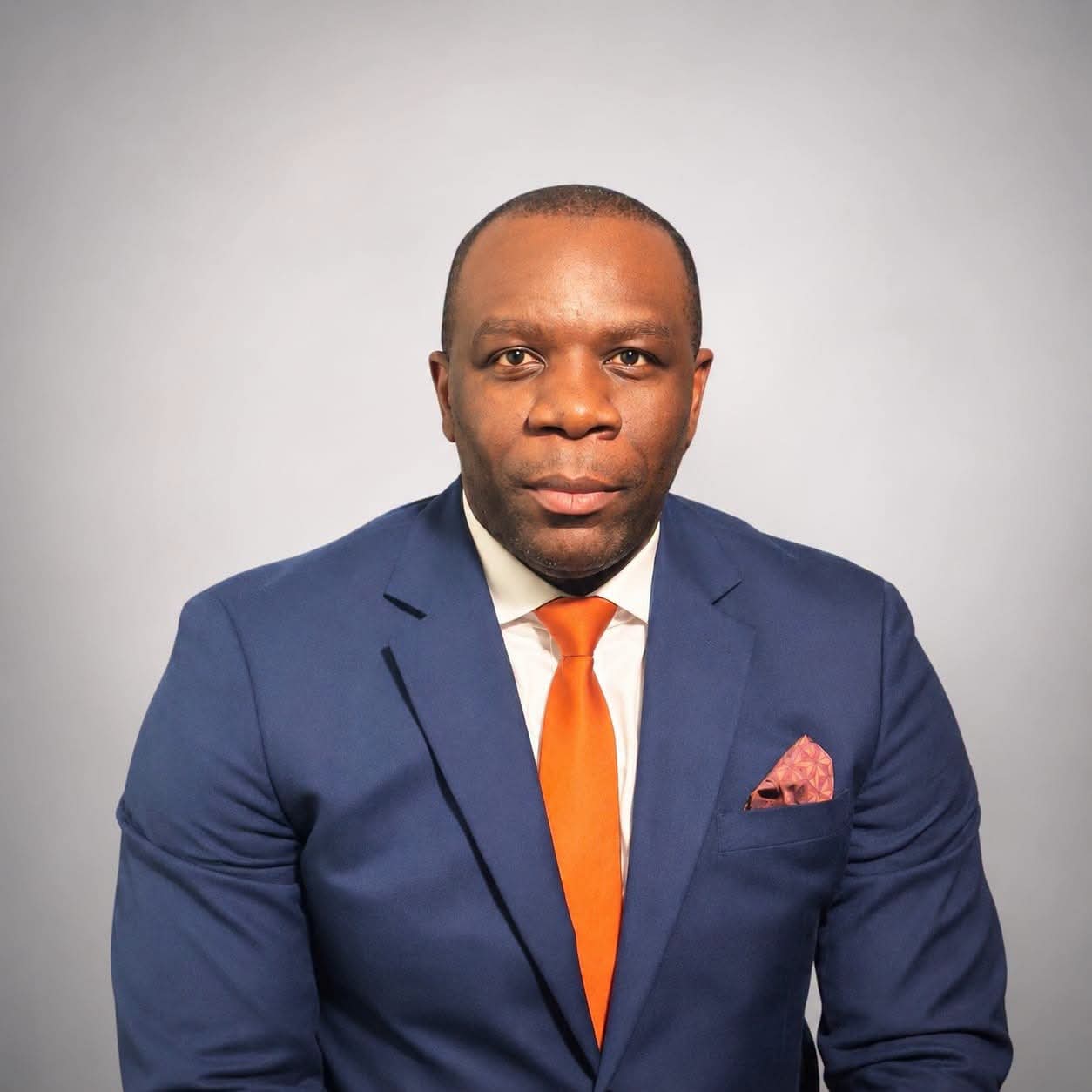
By Suleman Chitera — Malawi Freedom Network
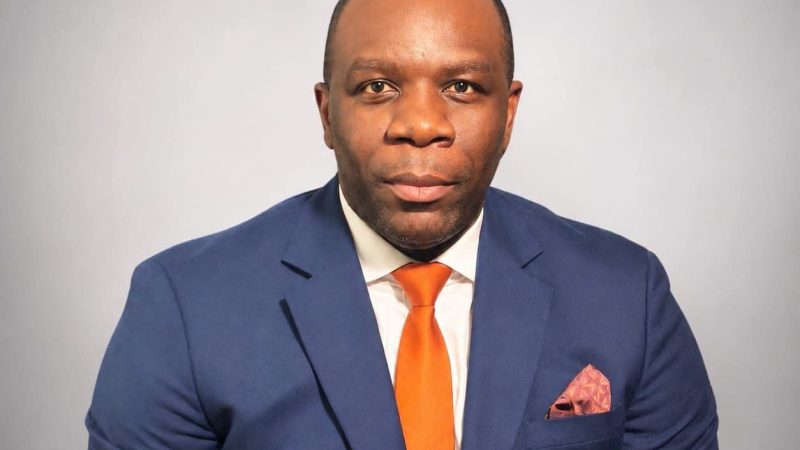
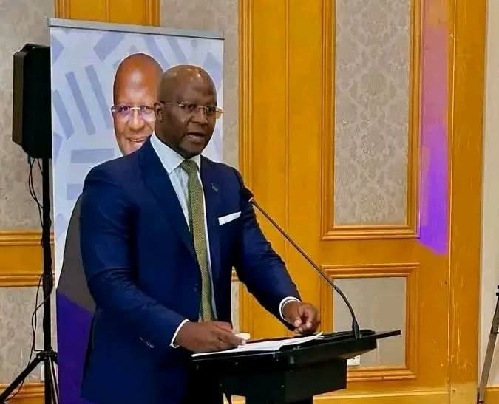
LILONGWE, MALAWI — Malawi’s struggle to attract foreign investment could face a serious setback if the government fails to take decisive action against corruption and strengthen institutions responsible for accountability, Malawi Congress Party (MCP) Deputy Director of International Affairs Chalo Mvula has warned.
Mvula, an expert in foreign direct investment (FDI), says investor confidence is built not only on economic opportunities but also on the strength, predictability and integrity of a country’s institutions.
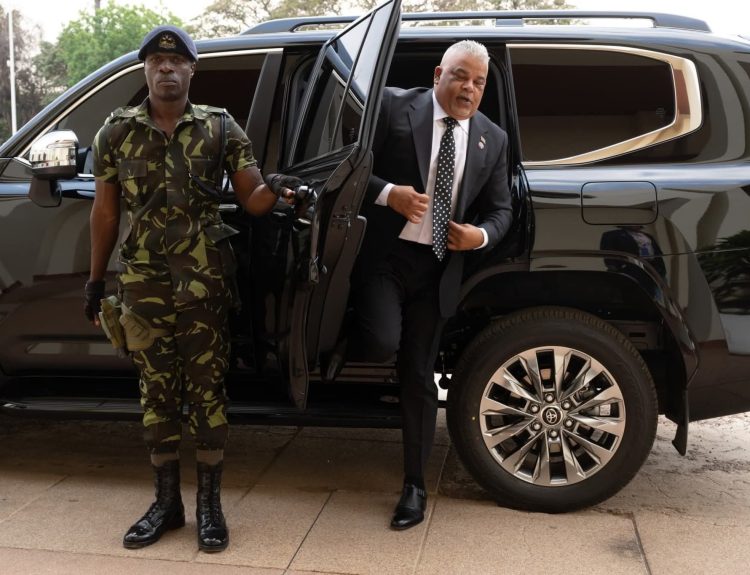
His warning comes amid growing political debate over accountability and the role of Parliament in scrutinising government institutions, including concerns surrounding efforts by Speaker of Parliament Sameer Suleman to strengthen parliamentary oversight.
According to Mvula, any perception that efforts to improve accountability are being resisted could send the wrong signal to both existing and prospective investors.
“Investors follow confidence, and confidence follows good governance,” Mvula said.
Corruption can make Malawi too risky for investors
Mvula argues that corruption does more than drain public resources. It can fundamentally alter the investment environment by creating uncertainty over how decisions are made, who gets contracts and whether businesses can compete fairly.
He warned that corruption can result in unpredictable government decisions, unfair competition, additional operating costs and weakened institutional credibility.
For international investors deciding where to commit millions of dollars, such risks can be enough to redirect capital to competing markets.
“An investor wants to know that the rules are clear, institutions are credible and decisions are made transparently,” Mvula’s argument suggests.
This makes the fight against corruption not merely a political or governance issue, but an economic imperative for Malawi.
Malawi has opportunities — but confidence is critical
Mvula said Malawi possesses significant investment potential in sectors including minerals, agriculture, energy, tourism and information and communications technology (ICT).
However, he cautioned that these opportunities could fail to translate into meaningful foreign direct investment if investors continue to encounter structural obstacles.
Among the challenges he highlighted are electricity shortages, inadequate infrastructure, foreign-exchange constraints and bureaucratic delays, alongside corruption.
The combination, he warned, could make Malawi less competitive at a time when countries across the region are competing aggressively for international capital.
Parliamentary oversight enters the investment debate
Mvula’s remarks also place the ongoing debate over parliamentary accountability in an economic context.
The effectiveness of Parliament in scrutinising public institutions is increasingly being viewed not simply through the lens of politics, but also through its potential impact on the country’s economic credibility.
For investors, strong oversight can provide reassurance that public institutions are subject to checks and balances and that public resources are being managed transparently.
Conversely, perceptions of institutional weakness can increase uncertainty and potentially discourage long-term investment.
Mvula therefore believes that efforts to strengthen accountability should not be interpreted as an obstacle to economic development, but as part of the foundation required to attract and retain serious investors.
The warning Malawi cannot afford to ignore
The stakes are high.
Foreign direct investment can bring capital, technology, jobs, skills and access to international markets. But investors are unlikely to commit substantial resources simply because a country has natural resources or an attractive market.
They also look at governance, policy consistency, infrastructure, access to foreign currency, the efficiency of public institutions and the predictability of the business environment.
For Malawi, Mvula’s warning therefore presents a fundamental question: Can the country attract the investment it needs without first confronting the governance weaknesses that undermine investor confidence?
As Malawi seeks to unlock its mineral wealth, expand agriculture, improve energy generation, grow tourism and build its digital economy, the message from the FDI expert is clear — investment follows confidence, and confidence depends heavily on credible institutions and good governance.
Failure to address corruption decisively, Mvula warns, risks turning Malawi’s enormous investment potential into opportunities that investors simply choose to pursue elsewhere.
Read also: British Army 24 : 98 Malawi Queens
Read also: UTM Ikutenga Boma Chaka Cha Mawa-Kaliati
Read also: US Secretary of State commends Malawi for calling for withdrawal of Russian forces from Ukraine