
 Suleman Chitera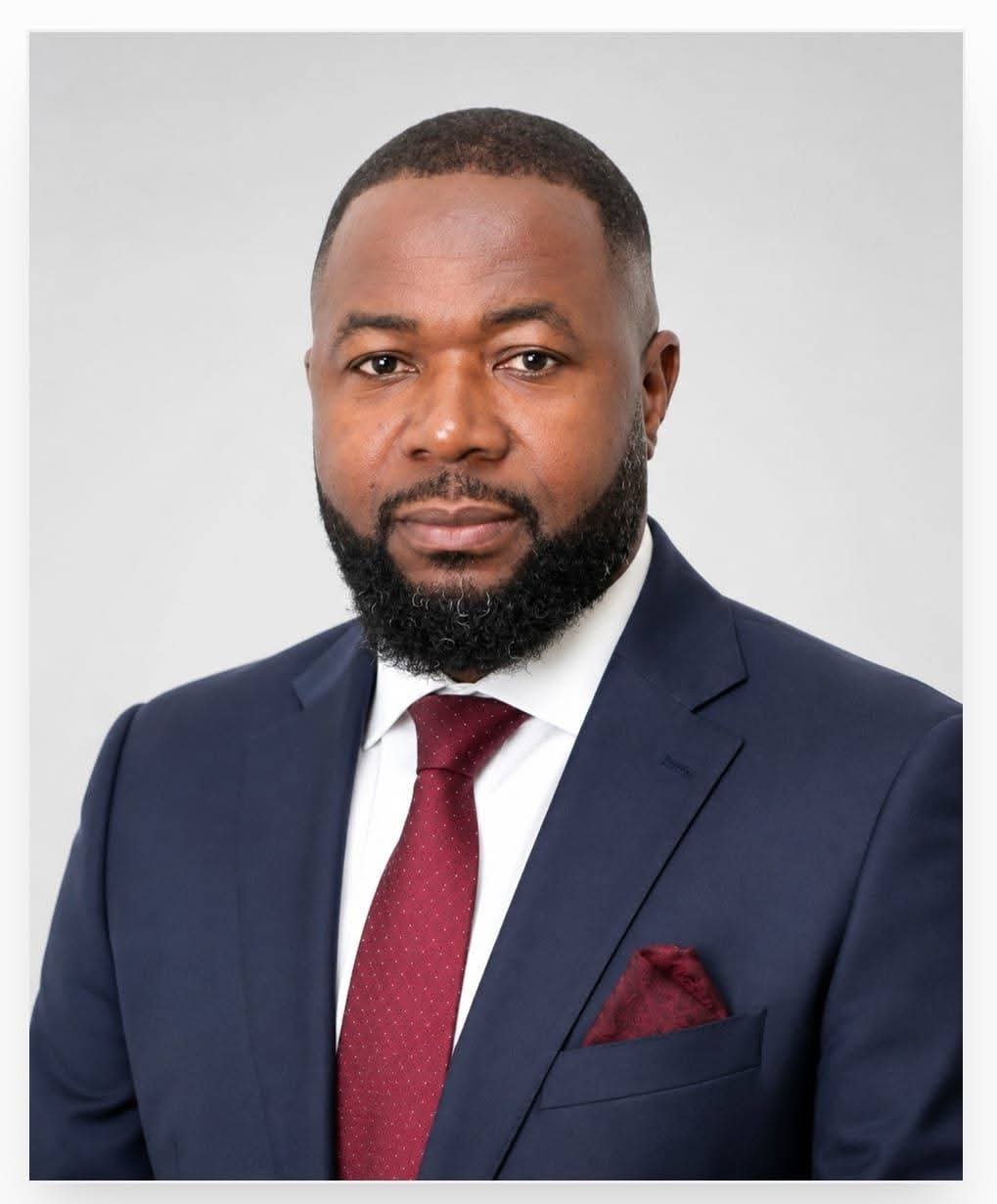
By Suleman Chitera
Malawi Freedom Network | September 20, 2026
Malawi is entering a new political conversation — one increasingly driven by a generation that wants more than familiar political faces and traditional campaign promises.
As the country looks towards 2030, a growing debate is emerging around generational leadership, new ideas and the role of young Malawians in shaping the country’s political and economic future.
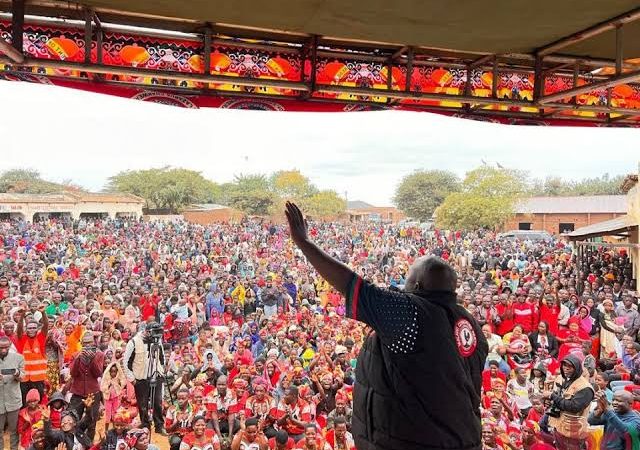
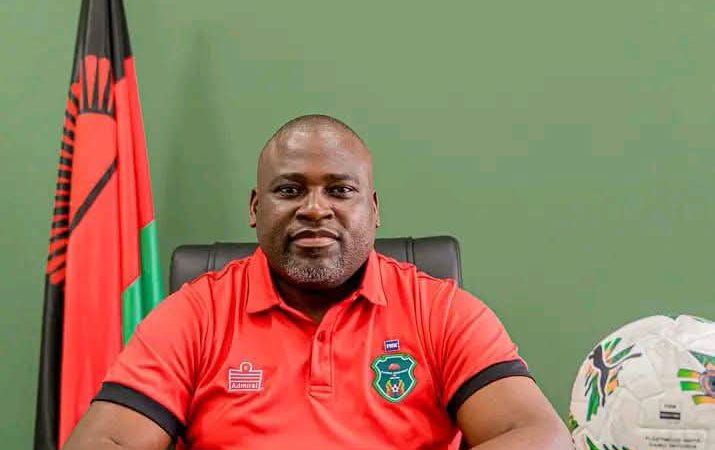
At the centre of that conversation is Rhodrick Junaid Kalumpha, an emerging public figure whose message has increasingly focused on youth participation, national development, entrepreneurship and the responsibility of young Malawians to take an active role in building the country.
But the bigger story is not simply Kalumpha.
It is the generation behind the conversation.
The political order is changing
For years, Malawi’s political landscape has been dominated by established personalities and political structures built around familiar names.
That reality is beginning to face a generational question.
Who comes next?
And perhaps more importantly:
What ideas will the next generation bring to Malawi’s leadership?
The 2030 political era is likely to bring greater attention to younger Malawians who are increasingly unwilling to remain spectators in decisions that directly affect their lives.
They are the generation facing unemployment, limited economic opportunities, rising demands for quality education, technological disruption and the pressure to create a better future in a difficult economic environment.
They are also increasingly connected to the rest of the world and exposed to different models of leadership, business and development.
That exposure is changing expectations.
From changing faces to changing ideas
Generational change should not simply mean replacing an older politician with a younger one.
The real test is whether a new generation can introduce different ideas, stronger institutions and practical solutions to problems that have persisted for years.
For Malawi, those challenges include job creation, agricultural transformation, entrepreneurship, industrialisation, education, investment, infrastructure and economic stability.
The 2030 generation will therefore be judged not simply by its age, but by the quality of its thinking.
This is where Kalumpha’s growing public profile becomes relevant.
His advocacy for greater youth participation has placed him within an increasingly important national conversation about whether young Malawians should merely be mobilised during elections or whether they should participate meaningfully in developing the country’s policies and political direction.
A generation that wants to be heard
Young Malawians are not a small constituency.
They represent a significant part of the country’s population and will live longest with the consequences of today’s political and economic decisions.
Yet youth participation in politics has often been strongest during election campaigns, when young people become campaigners, voters and political mobilisers.
The more difficult question is what happens after elections.
Are young people involved in policy discussions?
Are they represented in decision-making structures?
Are their economic concerns reflected in national development programmes?
And are young leaders being given enough space to develop and present alternative ideas?
These questions will increasingly shape the politics of the coming years.
Kalumpha and the 2030 conversation
Kalumpha’s emergence provides one example of how that conversation is developing.
Rather than presenting the future simply as a contest between established political personalities, the 2030 debate creates room for a different discussion — one centred on ideas, economic opportunity and generational responsibility.
Kalumpha has publicly encouraged young Malawians to participate actively in nation-building, adding his voice to calls for greater youth involvement in national affairs.
The significance of such a message lies not merely in who delivers it, but in the growing demand among young people for a greater stake in determining Malawi’s future.
However, emerging leaders will also face a demanding test.
Visibility alone is not leadership.
A strong public profile must eventually be accompanied by policy ideas, organisational ability, consistency and measurable contribution to society.
The questions the new generation must answer
If the 2030 generation wants to challenge the old political order, it will have to answer difficult questions.
How will Malawi create enough productive jobs for its young population?
How can agriculture become a genuine commercial enterprise rather than simply a means of subsistence?
How can young entrepreneurs gain access to finance, markets and technology?
How can Malawi attract investment while strengthening local businesses?
How can education prepare young people for an economy that is changing rapidly?
And perhaps most importantly, how can political leadership become more focused on delivering results rather than simply winning elections?
These questions require more than political speeches.
They require detailed programmes, credible implementation plans and leaders prepared to accept scrutiny.
Experience versus new thinking?
The debate about generational change should not automatically become a battle between young and old.
Experience remains valuable.
Institutions cannot simply be discarded because a new generation wants change.
The challenge is finding a way to combine the experience of established leaders with the energy, technology, creativity and new perspectives of younger Malawians.
The country needs continuity where continuity works — and innovation where existing approaches have failed to deliver.
That is the real opportunity presented by the 2030 generation.
The politics of ideas
The strongest challenge to an established political order does not necessarily come from louder political rhetoric.
It can come from better ideas.
A young generation that can develop credible solutions to Malawi’s economic and social challenges could eventually reshape the country’s political debate.
That transformation would not depend on one individual.
It would depend on whether young Malawians organise around ideas rather than personalities, policies rather than slogans and national development rather than short-term political interests.
This is why the emerging conversation around Kalumpha deserves attention.
His political future, like that of any emerging figure, will ultimately depend on what he does with the platform he is building.
But the broader movement towards greater youth participation is already an important part of the national conversation.
2030 is approaching
The 2030 political era may still appear distant.
But political generations are not created overnight.
They are built through years of engagement, community work, policy discussions, entrepreneurship, civic participation and leadership development.
Those who intend to play a role in Malawi’s future will therefore need to start preparing long before election campaigns begin.
For young Malawians, that preparation means acquiring knowledge, building institutions, developing businesses, participating in civic affairs and understanding the complex realities of governing a country.
It also means refusing to believe that age alone determines who can contribute to national development.
The challenge ahead
For Kalumpha, the growing attention presents both an opportunity and a responsibility.
If he and other emerging leaders want to become part of Malawi’s next political generation, they will have to demonstrate that their ambitions are supported by substance.
They will need to explain their ideas.
They will need to engage communities.
They will need to withstand criticism.
And most importantly, they will need to show how their vision can translate into tangible improvements in people’s lives.
That is the standard the 2030 generation will ultimately face.
Malawi does not simply need new political faces.
It needs a generation capable of asking different questions, developing practical solutions and bringing fresh thinking into national leadership.
The political conversation is already beginning to shift.
And as 2030 approaches, the question will no longer be whether young Malawians are ready to participate.
The bigger question will be:
Are Malawi’s political institutions ready to make room for their ideas?