

 Malawi Freedom Network
Opinion By MFN Reporter
promotional profile highlighting the Speaker of Parliament’s stated commitment to national development, accountability and the fight against corruption.
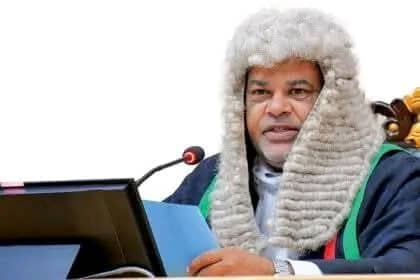
Malawi needs leadership that places the interests of the nation above personal ambitions. For supporters of Right Honourable Sameer Gafar Suleman, Member of Parliament and Speaker of the National Assembly, his approach to public service represents a commitment to a better future for the country.
“Uyu amakonda dziko la Malawi!” — He loves Malawi!
Suleman’s supporters describe him as a patriotic Malawian who believes that leadership should be measured by service to the people, commitment to national development and the courage to address challenges affecting ordinary citizens.
Politics Should Be About Serving Malawi
For Suleman’s admirers, politics should not simply be a pathway to personal wealth or influence. Instead, it should be an opportunity to contribute to the country’s development and improve the lives of its people.
They believe that his public role should be judged by his actions, the issues he raises and his contribution to strengthening democratic institutions.
At a time when Malawians continue to demand accountability, better public services and effective management of national resources, questions about the purpose of political leadership remain central to the country’s democratic debate.
The message from Suleman’s supporters is clear: leadership must serve the nation, and public office must come with responsibility.
A Voice in the Fight Against Corruption
Corruption remains a major public concern in Malawi, with potential consequences for development, public services and the effective use of government resources.
Suleman’s supporters want him to remain vocal on accountability and the protection of public funds. They see the fight against corruption as an important part of building public confidence in government institutions.
However, the success of any anti-corruption campaign ultimately depends on evidence, transparent investigations, independent institutions and the consistent application of the law.
As Speaker of Parliament, Suleman’s constitutional responsibilities also place the National Assembly at the centre of debates about public accountability, oversight and the conduct of government business.
For those who support his approach, the expectation is that Parliament will continue to provide a meaningful platform for examining issues of national importance.
Tackling Cartels in Critical Sectors
Agriculture, fuel and medicines are essential to the daily lives of millions of Malawians.
Farmers depend on access to agricultural inputs to sustain production and support household incomes. Businesses and transport operators need reliable fuel supplies, while patients depend on the availability of safe and affordable medicines.
When corruption, unfair practices or market manipulation occur in these sectors, ordinary citizens can bear the consequences through higher prices, shortages and reduced access to essential services.
Suleman’s supporters therefore want stronger oversight and investigations into any credible allegations of wrongdoing affecting these industries.
The objective, they argue, should be to ensure that public resources benefit citizens, markets operate fairly and those responsible for proven wrongdoing are held accountable through lawful processes.
Any allegations of organised corruption or cartel activity, however, must be investigated and established through credible evidence rather than assumption.
Development Must Remain a National Priority
Beyond the fight against corruption, Malawi faces significant development challenges, including unemployment, poverty, rising living costs and pressure on public services.
Addressing these problems requires effective institutions, responsible leadership and policies that respond to the needs of ordinary people.
For Suleman’s supporters, commitment to national development means promoting accountability while ensuring that Parliament remains focused on matters affecting citizens across the country.
They want leadership that recognises the struggles of farmers, young people seeking employment, families facing economic pressure and communities demanding better infrastructure and public services.
Ultimately, development must be reflected in improvements in people’s lives, not simply in political speeches or promises.
A Legacy to Be Measured by Actions
The debate surrounding political leadership in Malawi highlights an important principle: public figures should be assessed through their conduct, decisions, performance and contribution to the public interest.
For those who admire Sameer Gafar Suleman, the hope is that his tenure as Speaker will contribute to stronger parliamentary oversight, greater transparency and constructive engagement on the country’s most pressing challenges.
The responsibility now rests with public institutions and political leaders to demonstrate that the fight against corruption and the pursuit of development can translate into tangible results for Malawians.
One message stands out from his supporters: Malawi’s future must come first.
Dziko patsogolo. Chitukuko patsogolo. Kulimbana ndi ziphuphu potsatira malamulo.