 Suleman Chitera
By Suleman Chitera
Many Malawians are increasingly raising serious concerns about the direction and credibility of the country’s Judiciary, arguing that some recent court rulings appear not to protect national interests but instead expose Malawi to economic, political, and institutional instability.
At the centre of the latest public outrage is the controversial ruling in the Finance Bank case, which critics argue carries the potential to cripple the nation economically. Ordinary citizens, civil society actors, and legal commentators alike are questioning whether the decision truly served justice or whether it placed the country at unnecessary financial and reputational risk. For many Malawians, the ruling feels less like justice and more like a deliberate blow to an already struggling economy.
The growing perception is that the Judiciary—an institution meant to safeguard the Constitution and defend the public interest—is increasingly disconnected from the realities and needs of the nation. Critics claim that instead of acting as a shield for Malawi, some judicial decisions are deepening national problems, fuelling public anger, and eroding trust in the justice system.
This frustration is not new. Many Malawians still recall the 2020 presidential election nullification, a historic but deeply divisive ruling delivered by the and later upheld by the . While the court ruled that the presidential election had been marred by irregularities and therefore invalid, the decision raised serious constitutional and logical questions.
The ruling nullified only the presidential election, yet allowed Members of Parliament and councillors—elected on the same day, using the same process, and under the same conditions—to remain in office. To many Malawians, this selective application of justice was confusing and difficult to justify. If the election process was fundamentally flawed, critics ask, how could parts of it be deemed valid while the most important outcome was thrown out?
Further controversy arose from the court’s introduction of the 50%+1 electoral threshold, a major constitutional shift that critics argue should have been debated and enacted through Parliament rather than imposed through judicial interpretation. While some praised the move as progressive, others viewed it as judicial overreach—an example of courts stepping beyond interpretation into lawmaking.
Today, these unresolved questions continue to haunt the Judiciary. The Finance Bank ruling has reopened old wounds, reinforcing public suspicion that some judicial decisions may be influenced by corruption, external interests, or a failure to prioritise national welfare. Allegations of bribery and compromised judges—whether proven or not—are gaining traction largely because public trust has been severely weakened.
Many Malawians are now calling on Parliament to act decisively. There is a growing demand for comprehensive judicial reforms to ensure accountability, transparency, and patriotism within the justice system. Citizens want a Judiciary that not only interprets the law but does so with a deep sense of responsibility to the nation and its people.
A Judiciary that loses public confidence risks undermining democracy itself. Malawi cannot afford a justice system that is perceived as detached, compromised, or hostile to national interests. The time has come for serious reflection, reform, and renewal—before public trust in the rule of law collapses beyond repair.
- Lilongwe to Launch First City-Wide Electric Public Bus System
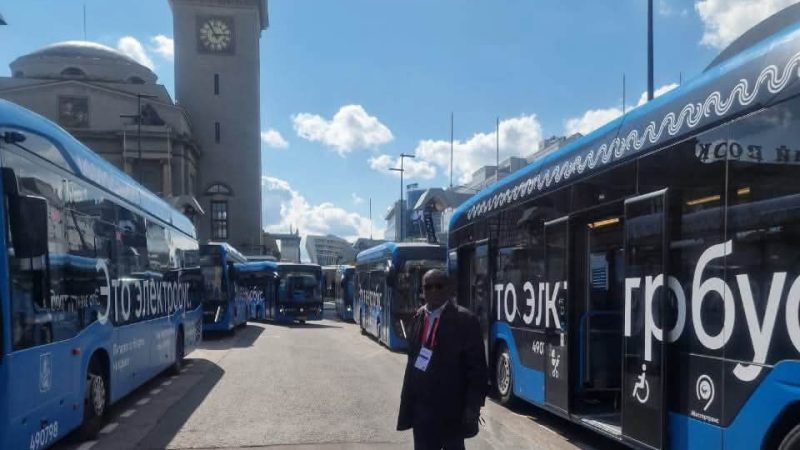
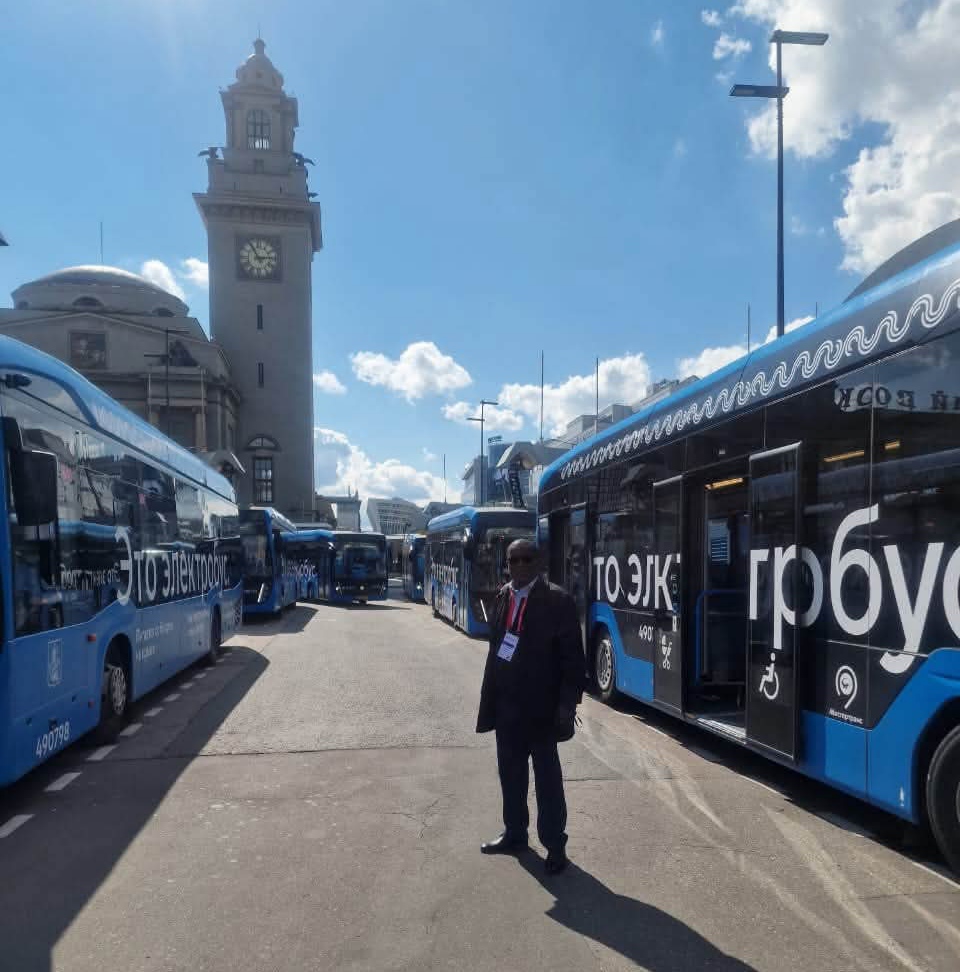 Share Listen to this article By Suleman Chitera Lilongwe is set to introduce its first formal, city-wide public bus system, with the Lilongwe City Council announcing plans to establish Lilongwe Electric Transit Ltd (LETL), a company that will operate electric buses across the capital. Read moreNEEF Customers Demands Their Deposit BackThe planned public transport system…
 - Mozambique Police Stations Turned Into Scrapyards as Impounded Vehicles Rot for Decades
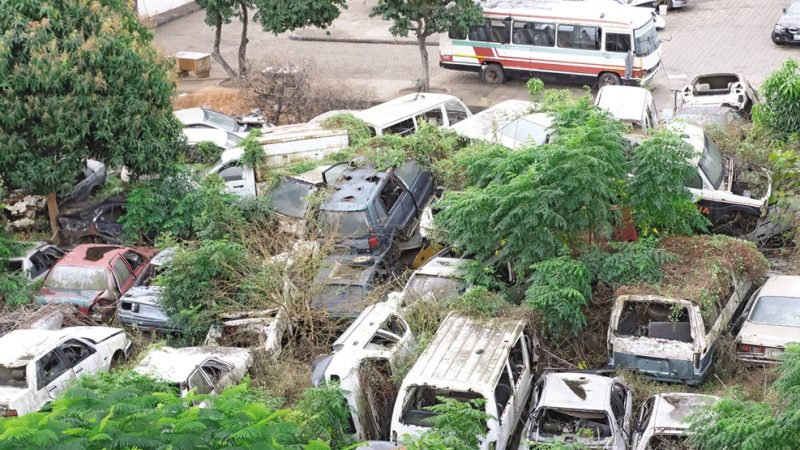
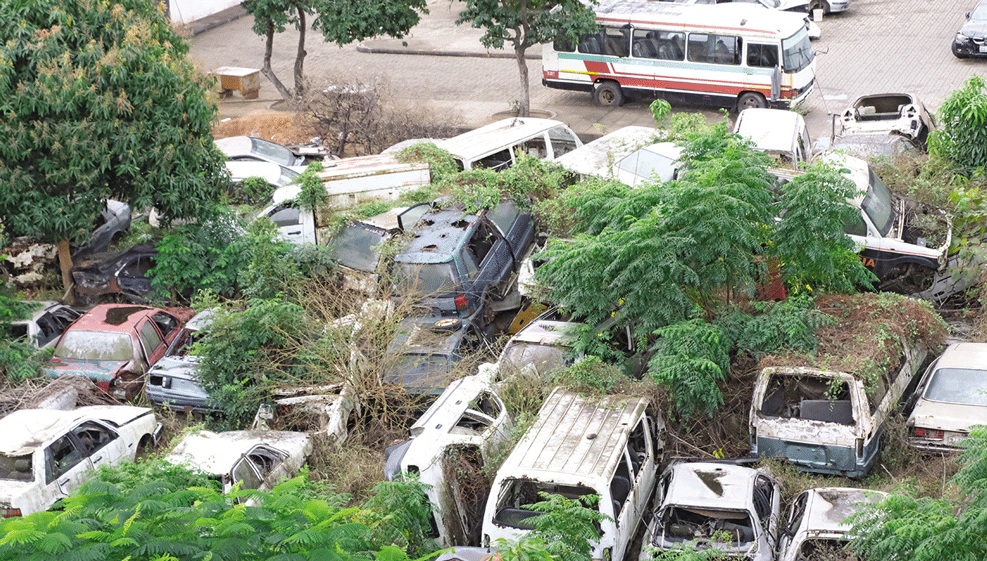 Share Listen to this article By Our Reporter Police stations and criminal investigation facilities in Mozambique are increasingly resembling scrapyards, with hundreds of impounded and accident-damaged vehicles occupying valuable space for years—even decades. Read moream not corrupt – Zuneth SattarThe vehicles are parked at compounds belonging to the Police of the Republic of Mozambique (PRM)…
 - UNIMA Students Left in Loan Limbo as August 29 Appeals Deadline Nears
 Share Listen to this article Reported by Raymond Edward Daud and Naomi Salimu University of Malawi (UNIMA) students are facing growing uncertainty over their education loans as the Higher Education Students Loans and Grants Board (HESLGB) is yet to release the university’s provisional loan list. Read moreChakwera engages Lubeck University on fight against non NCDsThe…
 - Football Legends Association Raises K192 Million as Simama Hotels, Austo Add K8 Million
 Share Listen to this article By Suleman Chitera | August 25, 2026 The Football Legends Association (FLA) has raised K192 million towards its Annual General Meeting (AGM) and fundraising dinner and dance gala scheduled for August 29 in Lilongwe. Read moreSulom unpacks revised prizesThe latest boost comes from Simama Hotels and Austo Brake and Clutch,…
 - US Eyes Greater Investment in Malawi as American Chamber of Commerce Launches
 Share Listen to this article By Suleman Chitera | August 25, 2026 The United States has welcomed the establishment of the American Chamber of Commerce in Malawi, describing it as a significant new chapter in strengthening trade, investment and economic cooperation between Malawi and the United States. Read moreNEEF Customers Demands Their Deposit BackSpeaking during…
Read also: JB Calls on President Mutharika for U.S. Embassy Appointment
Read also: The dangerous trend of consuming treated maize in Manje Market, Blantyre