 By Burnett Munthali
By Burnett Munthali
The Democratic Progressive Party (DPP) enters the 2025 electoral race with a manifesto that seeks to position the party as a vehicle of national restoration, economic discipline, and institutional stability.
At the heart of its message is a promise to return Malawi to what it calls “proven leadership,” a subtle yet powerful appeal to voters nostalgic for the DPP’s previous tenure in government.
Understanding the context of this manifesto requires a reflection on the DPP’s historical performance, both its achievements and its failures.
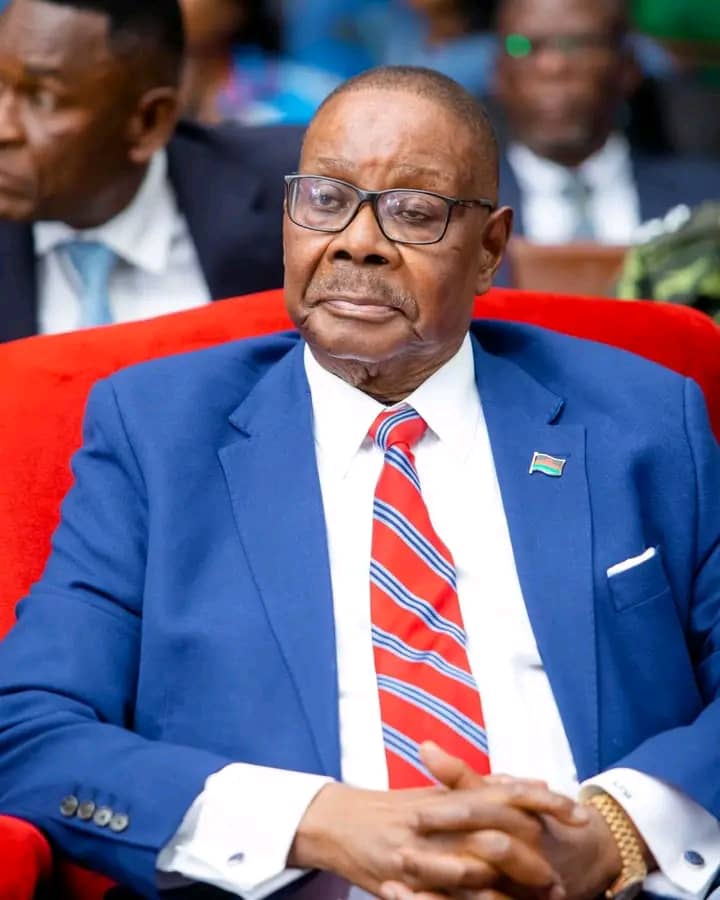
The DPP governed Malawi from 2005 to 2012 under the late Bingu wa Mutharika, and again from 2014 to 2020 under Professor Arthur Peter Mutharika.
During those periods, the party recorded notable achievements such as infrastructural development, food security through the Farm Input Subsidy Programme (FISP), and relative macroeconomic stability.
However, the latter years of DPP rule were marred by allegations of corruption, nepotism, and a perceived decline in governance ethics—issues which contributed to its loss in the 2020 court-sanctioned fresh election.
In its 2025 manifesto, the DPP acknowledges past mistakes while promising a return to order, competence, and economic growth.
The manifesto demonstrates clear awareness of the national priorities currently affecting Malawians—soaring inflation, fuel scarcity, youth unemployment, and a collapsing healthcare system.
Rather than vague platitudes, the DPP outlines targeted interventions in agriculture, such as the restructuring of FISP and promotion of irrigation schemes to ensure year-round production.
The party also places emphasis on reviving the private sector and promoting local and foreign investment to create sustainable jobs for Malawi’s youthful population.
In the education sector, the manifesto promises to expand access to tertiary education, improve infrastructure in primary and secondary schools, and reintroduce robust teacher training initiatives.
On healthcare, the DPP proposes revamping district hospitals, ensuring constant supply of essential drugs, and increasing the health budget to address maternal and infant mortality.
Crucially, the manifesto addresses governance and anti-corruption by proposing to strengthen institutions such as the Anti-Corruption Bureau (ACB), the Judiciary, and the Office of the Auditor General.
It also emphasizes the restoration of public confidence in the civil service by depoliticizing appointments and ensuring meritocracy.
Unlike many political manifestos that tend to be aspirational, the DPP document is anchored in a tone of experience and pragmatism.
It presents a roadmap that is both ambitious and grounded in the party’s previous experiences in office.
There is clarity in how the party intends to finance its programmes—primarily through improved revenue collection, reallocation of wasteful expenditure, and prudent borrowing.
The manifesto also proposes a review of Malawi’s current debt portfolio and a renegotiation of unsustainable loans, a bold but necessary commitment in the face of rising debt distress.
While the document is not without its gaps—it is relatively thin on environmental policy and does not fully address digital transformation—it is a marked improvement in focus compared to previous manifestos.
The DPP’s appeal to the electorate is built on a narrative of redemption and competence: “We’ve done it before, and we can do it again—only better this time.”
In a political climate where citizens are disillusioned by unfulfilled promises, failed reforms, and rising poverty, this message may find deep resonance.
Conclusion
The DPP’s 2025 manifesto is a persuasive blend of reflection and realism.
It does not pretend that all was perfect during its time in power, but it offers a compelling argument that experience matters—and that Malawi cannot afford another experimental leadership cycle.
If implemented with sincerity and accountability, the manifesto holds potential to steer Malawi back toward a path of recovery and growth.
Voters, however, must demand not just eloquent pledges, but a firm commitment to delivery, transparency, and ethical governance.
In the end, it will not be the promise that defines the DPP’s future—but the political will to fulfill it.
You may also like
Massive Oil Spill Detected Near Iran’s Key Export Hub
By Burnett Munthali A suspected oil spill covering tens of square kilometers has been detected west…

Demolitions begin as Malawi prepares to rebuild dilapidated Liwonde-Matawale road
By Burnett Munthali Work to rehabilitate and expand the Liwonde-Matawale road is expected to begin soon…
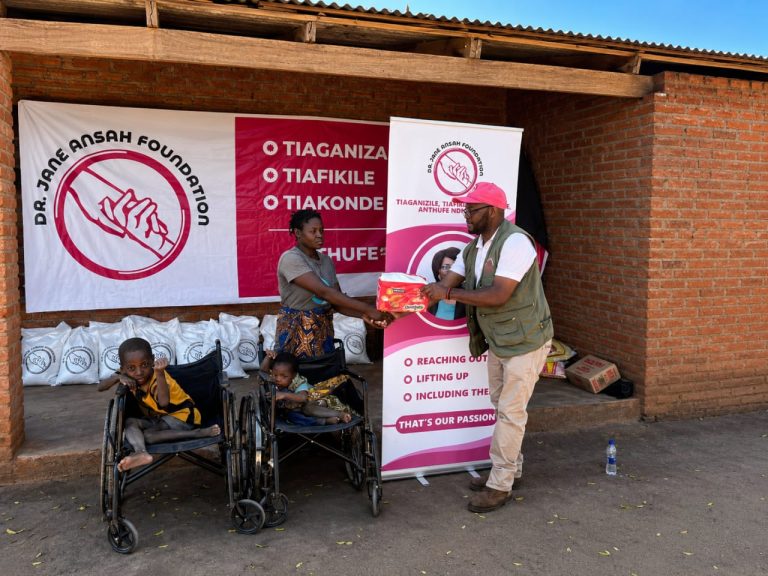
Dr Jane Ansah Foundation Provides Aid to Balaka Family Raising Children with Severe Disabilities
By Burnett Munthali BALAKA — On Saturday 13th June 2026, the Dr Jane Ansah Foundation visited…
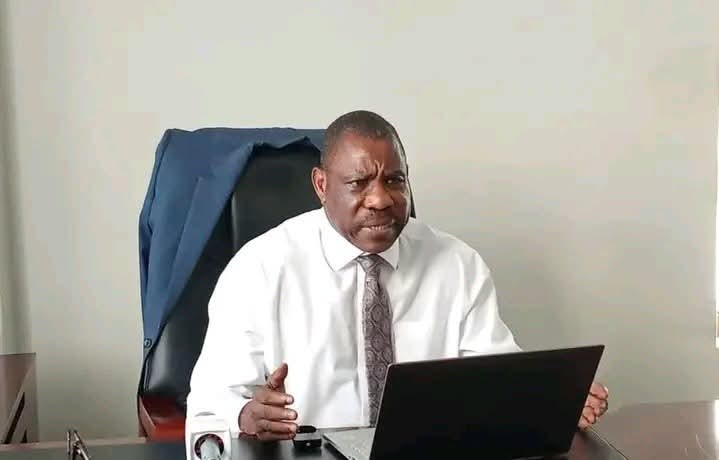
CAMA Warns of K20,000 Fuel Black Market as NOCMA Seeks 440,000 Tonnes of Fuel
By MFN News Desk TeamMalawi Freedom Network | 9 October 2026 Malawi’s persistent fuel shortage has…

Rhodrick Kalumpha Donates K6 Million to Chiwanja cha Ayao Cultural Ceremony
By MFN News Desk TeamOctober 10, 2026 | Malawi Malawian business strategist Rhodrick Junaid Kalumpha has…
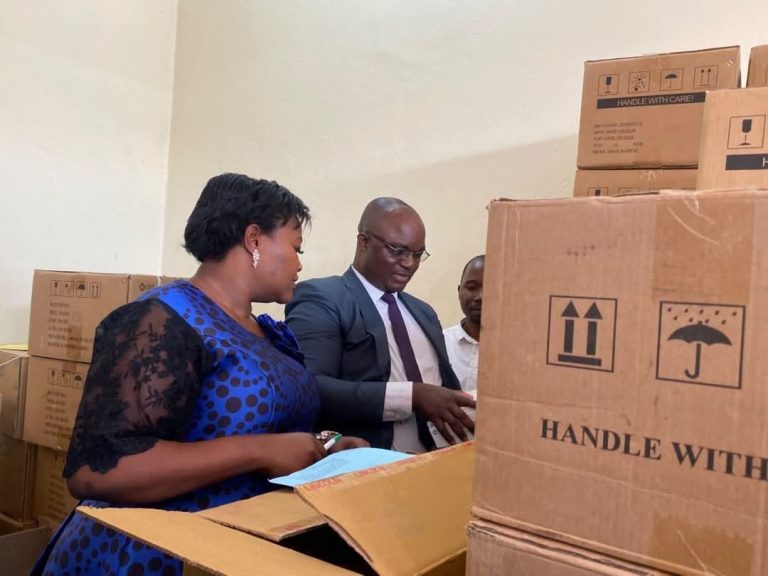
Health Minister Baloyi Threatens Permanent Ban on Drug Suppliers Who Misdeclare Stocks
By MFN News Desk TeamPublished: 9 October 2026 | 05:06 AM CAT Malawi’s Minister of Health…
You may also like
DPP Supporters Demand Immediate Firing of Presidential Adviser Luthar Mambala Over ‘Betrayal’ of Freedom Fighters
By Suleman Chitera Supporters of the Democratic Progressive Party and loyalists of former President Peter Mutharika…

MCP, Chakwera files lawsuit against DPP, Mutharika
By Vincent Gunde The Malawi Congress Party (MCP) and President Dr. Lazarus Chakwera have filed a…
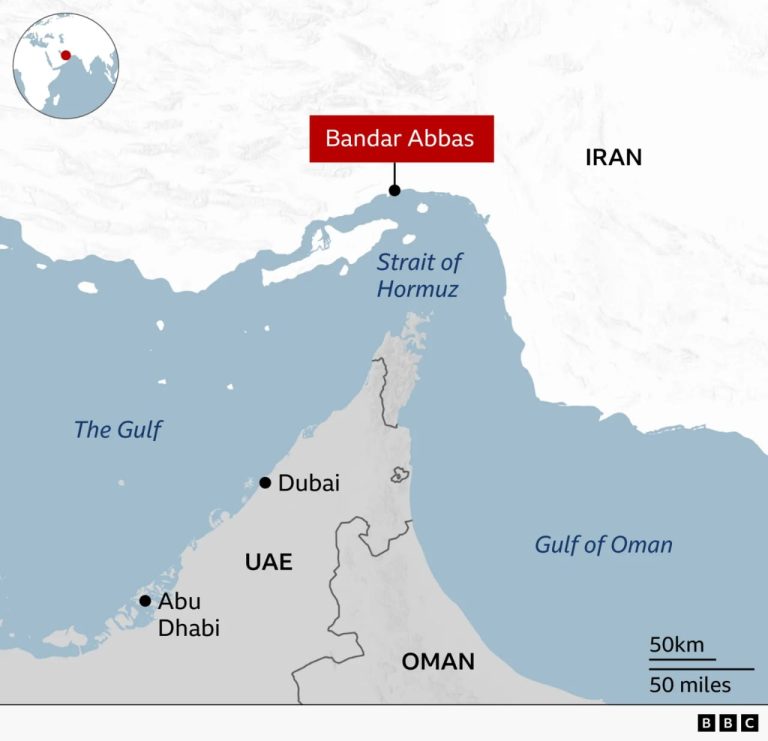
US Launches Fresh Strikes on Iran as Strait of Hormuz Crisis Deepens
By Suleman Chitera The United States has launched fresh military strikes on Iran for the second…
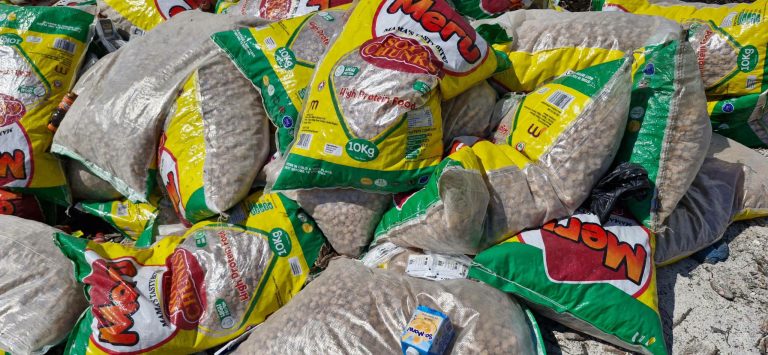
MBS Destroys 300 Bales of Expired Soya Chunks, Fines Blantyre Wholesaler K2 Million
By Suleman Chitera The Malawi Bureau of Standards (MBS) has destroyed approximately 300 bales of expired…

Magambi says severe funding shortages is forcing refugees to leave the camp
By Vincent Gunde Executive Director of Inua Advocacy, an organization that is working for the plight…

Refugees Community to appeal against High Court decision of sentencing Giremata to 40 years
By Vincent Gunde A member of the Refugees Community based at Dzaleka Refugee Camp in Dowa…