
 By Burnett Munthali
By Burnett Munthali
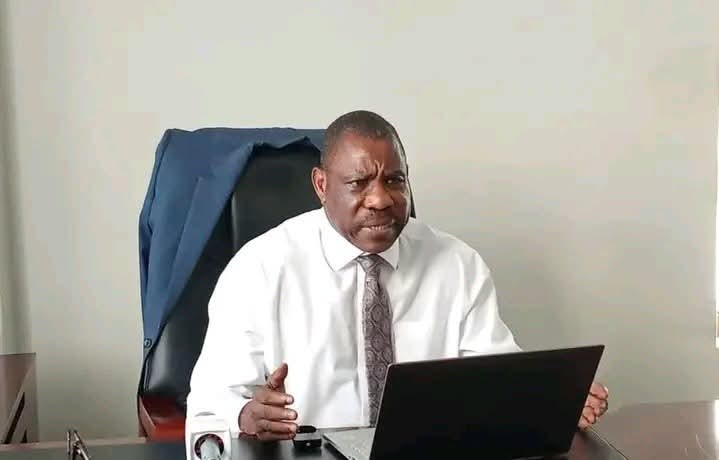
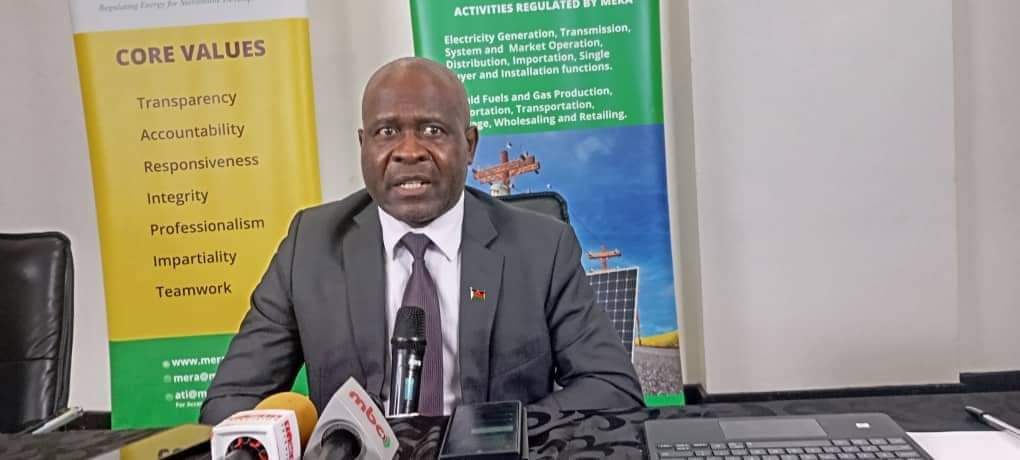
Henry Kachaje’s recent remarks regarding the ongoing fuel crisis in Malawi underscore the deep-seated challenges facing the nation’s energy sector. His apologies to the Malawian people, coupled with his acknowledgment of the historical roots of the crisis, highlight both the complexity of the situation and the urgent need for systemic reform.
Kachaje’s admission that the crisis has historical foundations points to a lack of long-term planning and investment in the energy sector. Fuel shortages are not new to Malawi; they have been a recurring issue, often exacerbated by external factors such as fluctuating global oil prices, forex shortages, and inefficiencies in local distribution networks. Kachaje’s failure to provide a specific timeline for resolution raises concerns about the effectiveness of MERA’s strategies and its capacity to address such a critical issue.
His statement, “We saw that it was possible for the fuel shortages to be resolved within the past week, but unfortunately, we fell short,” reflects a reactive approach rather than a proactive strategy. While it is commendable that MERA is willing to communicate openly about the challenges, the absence of a clear action plan or timeline leaves many Malawians in a state of uncertainty. Kachaje’s acknowledgment of the need to avoid repeating past mistakes indicates awareness of the systemic failures that have plagued the energy sector, yet it raises the question of what concrete measures will be implemented to ensure that history does not repeat itself.
Moreover, the commitment to providing updates on the status of fuel supply is a positive step, suggesting an intention to enhance transparency and accountability. However, this must be backed by actionable plans and visible progress. The Malawian public is understandably frustrated, as frequent fuel shortages disrupt daily life, economic activities, and overall stability.
In conclusion, while Kachaje’s statements reflect a recognition of the fuel crisis and its implications for the Malawian populace, they also expose the pressing need for comprehensive reforms in the energy sector. Moving forward, it is crucial for MERA and the government to engage in strategic planning, increase investments in infrastructure, and develop sustainable policies that can effectively tackle the underlying issues contributing to fuel shortages. Only then can the Malawian people begin to see tangible relief from the crisis that has long affected their livelihoods.
- Malawi, Japan Sign K4.4 Billion Road Equipment Grant
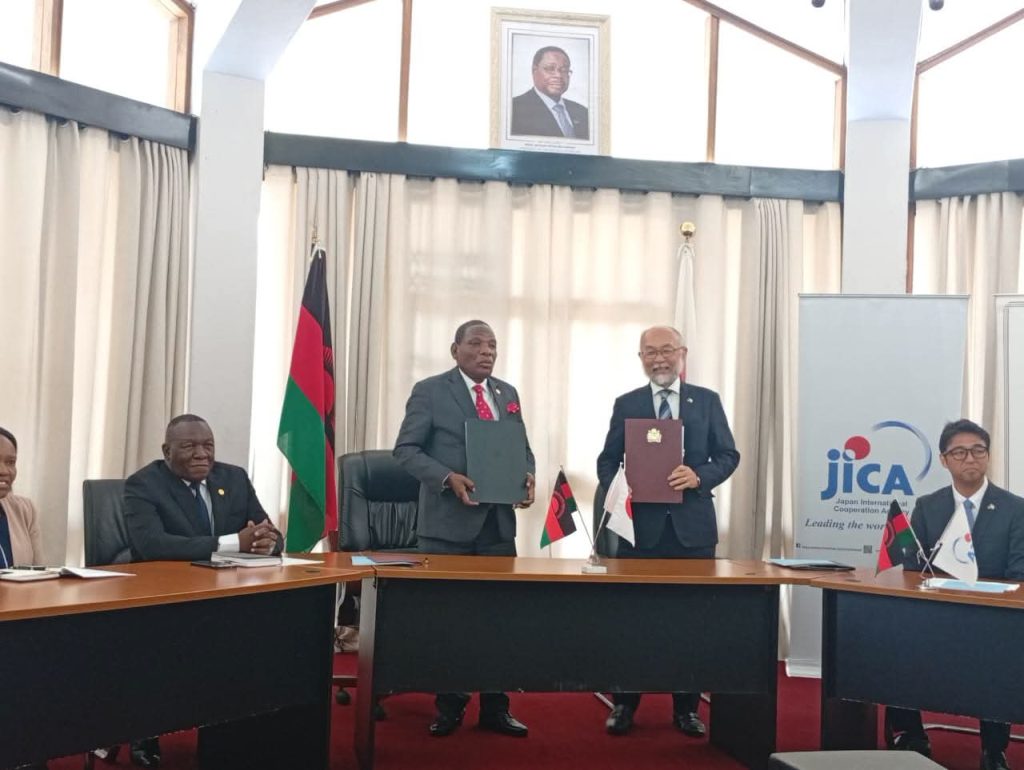 Share Listen to this article By Suleman Chitera Malawi has signed a K4.4 billion grant agreement with the Government of Japan to support road infrastructure development, with Lilongwe City Council set to benefit from road rehabilitation equipment. Speaking during the signing ceremony, Finance Minister Joseph Mwanamvekha said the grant demonstrates the strong bilateral relations between…
- Kalindo Takes Government to Task Over Fuel, Power and Water Crisis
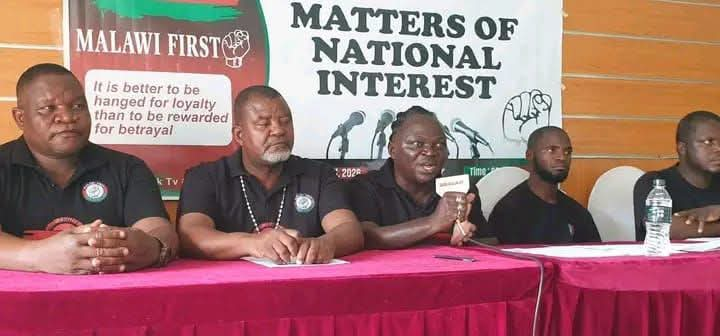 Share Listen to this article By Suleman Chitera, MFN Reporter Malawi First, People First leader Bon Kalindo has challenged the government and political leaders to explain what concrete measures they are taking to end the country’s worsening fuel shortages, electricity blackouts and water supply disruptions. Speaking at a press conference in Lilongwe, Kalindo expressed disappointment…
- Dowa CSO urges council to improve DEC, TWG governance
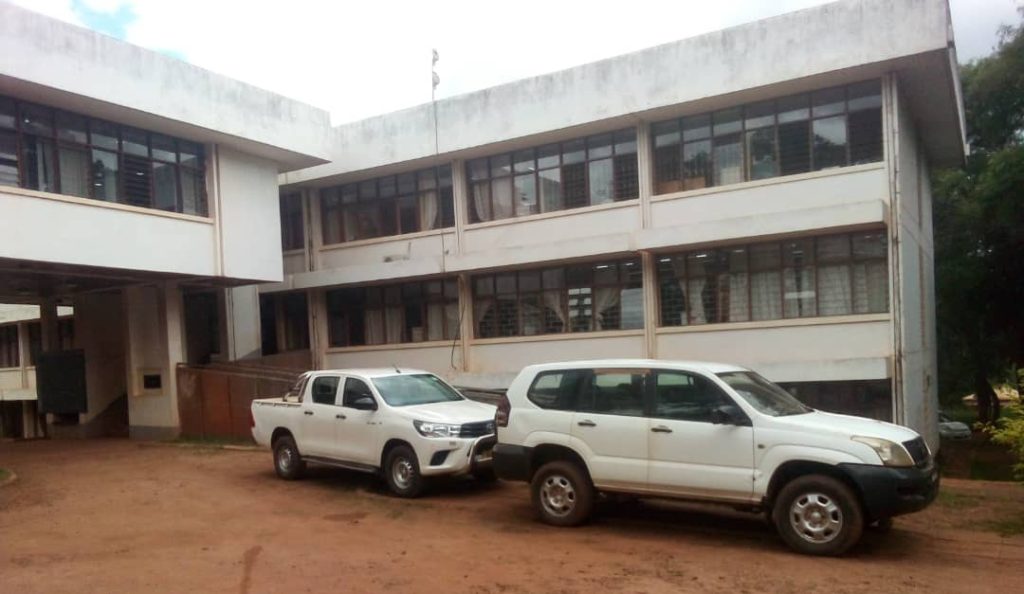 Share Listen to this article By Vincent Gunde The Dowa Civil Society Organizations (CSO) Network, says it is ready to support the council to improve governance especially in the District Executive Committee (DEC) and Technical Working Group (TWG). The Network said Dec meetings are important elements of the council management noting with a great concern…
- Chithyola Banda Challenges Mutharika Over Parliament Suspension
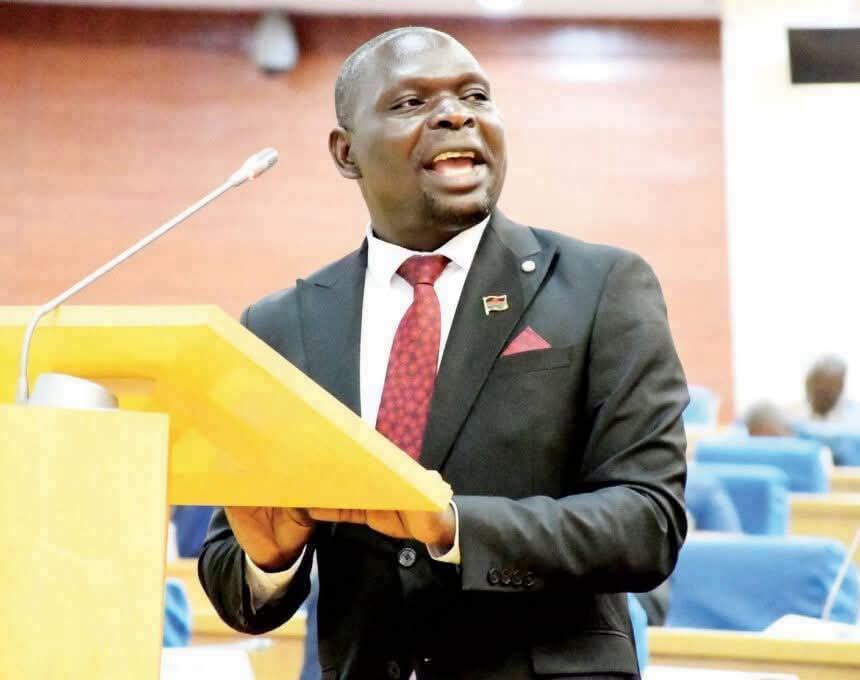 Share Listen to this article By Suleman Chitera, MFN Reporter Leader of Opposition Simplex Chithyola Banda has challenged President Peter Mutharika to reconsider his decision to suspend the November parliamentary meeting, warning that the move delays efforts to find solutions to Malawi’s mounting challenges. Banda said Parliament should have been allowed to meet to scrutinise…
- RBM Holds Malawi Policy Rate at 24%, Raises Lombard Rate to 26%
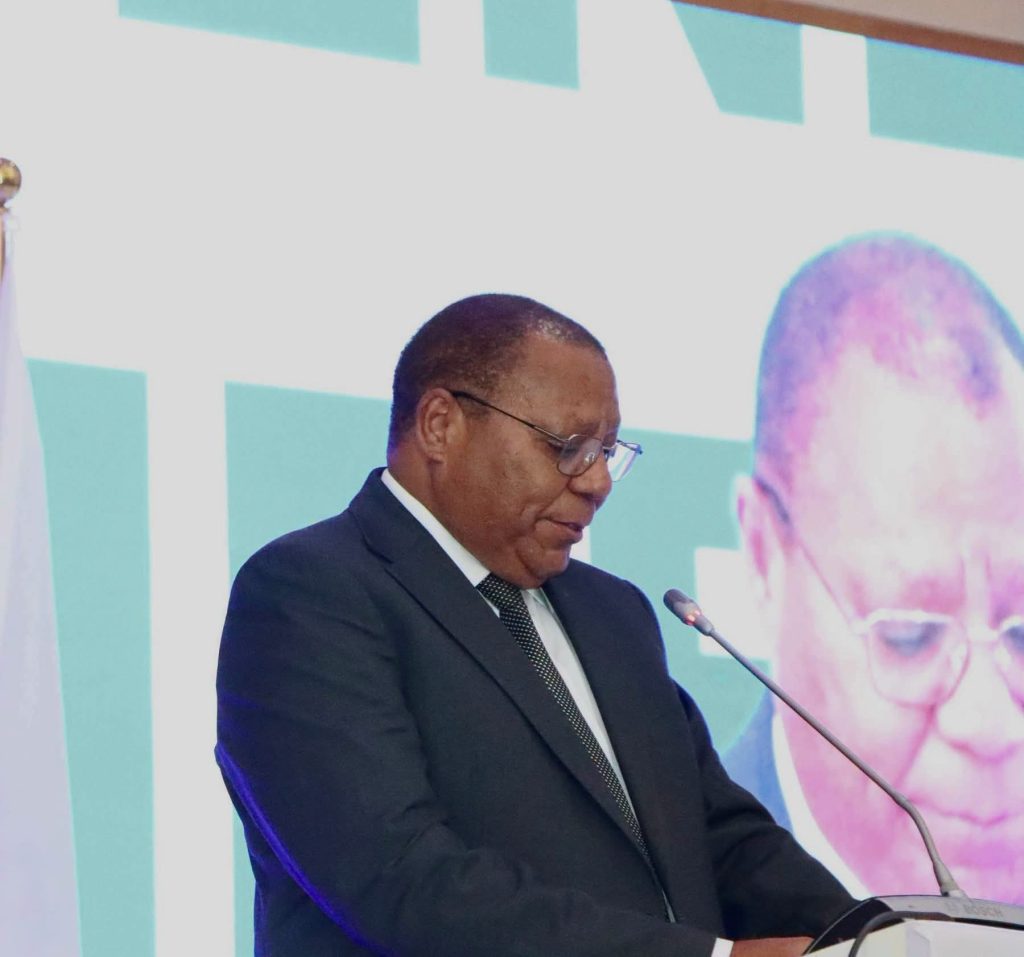 Share Listen to this article By Suleman Chitera, MFN Reporter The Reserve Bank of Malawi (RBM) has maintained its Policy Rate at 24 percent but increased the Lombard Rate to 26 percent from 24.2 percent, signalling continued efforts to control inflation despite persistent economic challenges. The decisions were reached during the Monetary Policy Committee (MPC)’s…