
 Malawi Freedom Network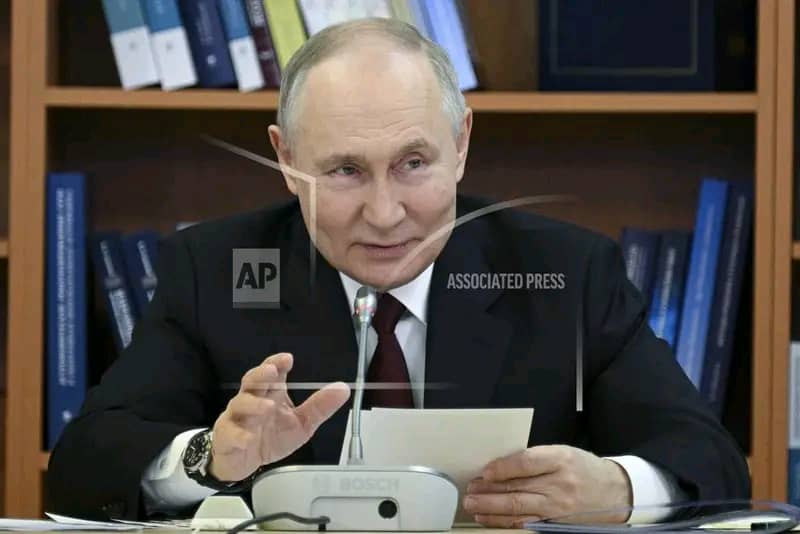
By Burnett Munthali
Russian President Vladimir Putin has made a bold claim that the ongoing war in Ukraine could have been averted if former U.S. President Donald Trump had not lost the 2020 presidential election. Speaking to Russian state media, Putin described the conflict, which began with Russia’s invasion of Ukraine in February 2022, as a “crisis” that might never have occurred under Trump’s leadership.
The Russian leader alleged that Trump was “robbed of the election” in 2020, a statement that aligns with Trump’s own unsubstantiated claims of widespread voter fraud during the election. Putin’s remarks reflect his belief that Trump’s presidency maintained a diplomatic dynamic with Russia that could have prevented the escalation of tensions that eventually led to the invasion.
Putin’s assessment centers on what he perceives as fundamental differences between Trump and his successor, Joe Biden. He pointed to Trump’s focus on America’s domestic priorities and his skepticism of NATO as factors that may have reduced pressure on Russia. Under Trump, NATO allies frequently criticized the U.S. president for his demands that member states contribute more to defense spending and for his reportedly lukewarm commitment to the alliance. According to Putin, this stance created a less antagonistic environment between Russia and the West, making the geopolitical situation less volatile.
The Kremlin has repeatedly justified the invasion of Ukraine as a response to Western encroachment on Russia’s borders, citing NATO’s eastward expansion as a key security threat. In Putin’s view, Biden’s administration, with its strong support for Ukraine and firm backing of NATO, played a direct role in creating the conditions for conflict. He argued that Trump’s presidency, characterized by a more isolationist foreign policy, would have taken a less confrontational approach toward Russia and Ukraine.
However, Putin’s comments are likely to deepen divisions in international discourse, as they align with narratives that question the legitimacy of Biden’s presidency and the broader U.S. electoral process. Critics may view these statements as an attempt by the Kremlin to exploit existing political fault lines in the United States, further fueling polarization within the country.
It is worth noting that Trump’s presidency was marked by controversies over his relationship with Russia. His administration faced scrutiny over alleged Russian interference in the 2016 U.S. election, and his reluctance to criticize Putin publicly was a frequent point of contention among his political opponents. These factors have contributed to a complex and contentious legacy regarding U.S.-Russia relations during Trump’s time in office.
Putin’s assertion raises broader questions about the interplay between U.S. leadership and global security. While Trump’s presidency saw relatively subdued U.S. involvement in European defense initiatives, Biden has overseen a resurgence of American engagement in NATO and significant military and economic support for Ukraine. The shift in U.S. foreign policy priorities under Biden has drawn both praise and criticism, with some lauding his firm stance against Russian aggression and others arguing that it has escalated tensions unnecessarily.
The war in Ukraine has devastated the region, with tens of thousands of lives lost and millions displaced since the conflict began. Western nations, including the United States, have imposed sweeping sanctions on Russia and provided substantial military aid to Ukraine, further straining relations between Moscow and the West.
Putin’s comments come at a time when Russia faces mounting challenges on the battlefield and growing international isolation. By attributing the war to the outcome of the 2020 U.S. election, Putin appears to be seeking to shift blame away from his own decisions and toward what he perceives as external factors.
As the conflict continues, the long-term implications of Putin’s claims remain to be seen. However, his remarks underscore the enduring impact of U.S. leadership on global stability and highlight the geopolitical ripple effects of domestic political developments in Washington. Whether Trump’s return to the political stage in 2024 could influence the trajectory of the war or broader U.S.-Russia relations remains an open question.
For now, the war in Ukraine serves as a grim reminder of the fragile nature of international peace and the far-reaching consequences of political decisions in an increasingly interconnected world.
- Malawi Set to Add 125MW of Electricity as ESCOM Signs Agreements for Salima and Mzimba Power Projects
- EU Pledges €260 Million to Support Malawi’s Agriculture, Education and Food Security
- NBM Plc impressed with Scorchers’ winning start to Olympic qualifiers

- FDH Bank Swipe to Mauritius winners cherish experience

- Umodzi Holdings Suspends CEO Kamlepo Kalua, Reasons Undisclosed
- Atupele Urges Malawians to Reflect on Decades of Underdevelopment, Calls for ‘Third Liberation’
- Malawi Strengthens Emergency Health Preparedness to Protect Women and Girls During Disasters

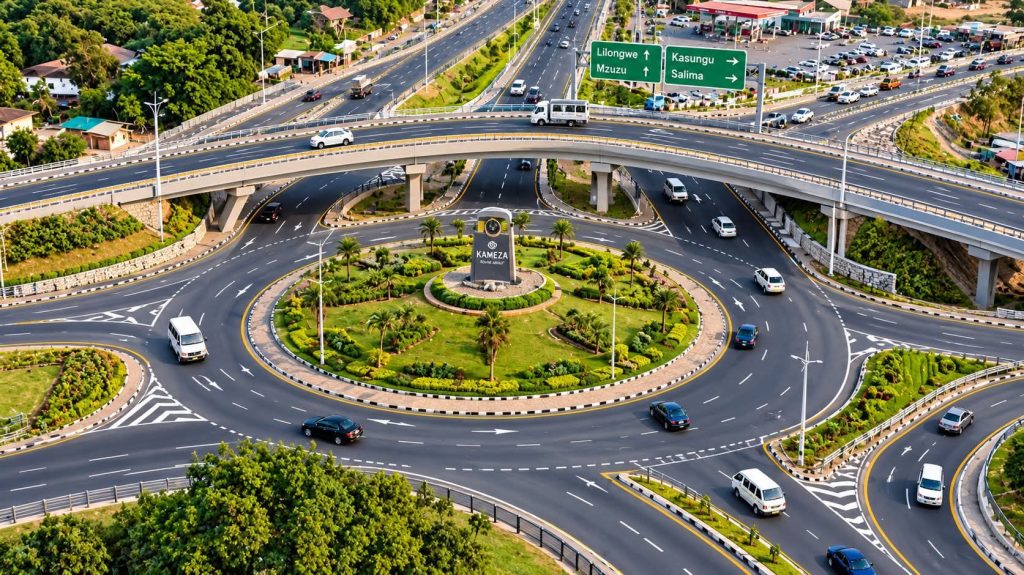
- A Vision for a World-Class Kameza Interchange
- Malawi Government Vows Action Against Corrupt Controlling Officers
- Comrade Jumbe Calls for National Referendum on Death Penalty After Jeniffer Mtambo Tragedy
- Dassu Presses Mutharika Government for Answers on IMF Deal, Fuel Crisis

- Ayuba James Hits Back at MCP Critics: ‘We Are Not Going Anywhere’

- Kabambe urges Malawians to link voting decisions to their future
- MCP Infighting Is Finishing the Party: Leadership Battles Threaten Political Comeback
- Global Oil Supply Disruptions Push Fuel Prices Higher in South Africa, Tanzania and UK
- Kukuye Amusement Park Announces Mother’s Day Special Offer in Malawi

- Corruption Suspicions Hit ADMARC Tarpaulin Deal: Who Approved K2.97 Billion for Just 100 Tarpaulins?
- Haiya Congratulates Malawi Beach Soccer Team After 6-2 Win Over Seychelles

- Rhodrick Kalumpha Donates K6 Million to 75 Girls in Salima to Support Education