

By Staff Reporter
Calls are growing for Malawi to introduce minimum academic qualifications for Cabinet Ministers and Members of Parliament (MPs), with governance experts arguing that such a move could improve the quality of leadership and parliamentary debate.
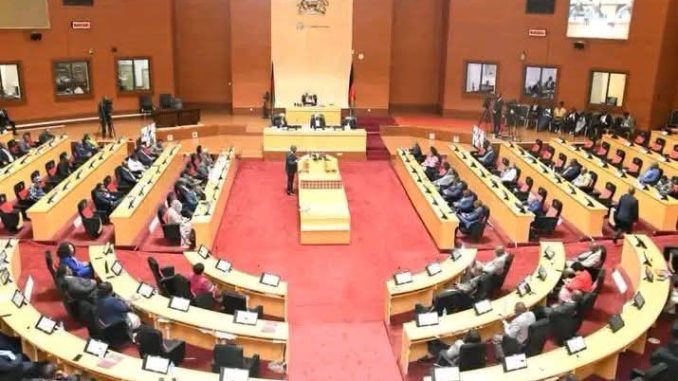
The discussion follows public reaction to the Minister of Youth’s performance during Question Time in Parliament, where he repeatedly responded with the word “noted” to questions raised by fellow legislators instead of providing detailed answers.
The incident has generated widespread debate, with many Malawians questioning whether holders of high public office should meet minimum educational standards to effectively discharge their duties.Parliamentary Probe Launched into Chikangawa Plane Crash
Currently, Malawi’s laws do not prescribe any specific academic qualification for an individual to be appointed as a Cabinet Minister or elected as a Member of Parliament. However, parliamentary procedures require legislators to have sufficient command of the English language to enable them to participate in debates and other proceedings of the National Assembly.
Governance commentator Latimu Matenje says the latest incident has reignited the conversation on whether the country should review the qualifications required for those serving in Parliament and Cabinet.
Matenje acknowledged that poor performance in Parliament cannot always be linked to educational background, noting that factors such as inadequate preparation, nervousness and lack of experience can also affect how ministers and MPs respond to questions.Delay in Farm Produce Prices Sparks Concern in Parliament
He, however, believes introducing minimum academic qualifications would help ensure public officials are better prepared to analyse legislation, explain government policies and effectively represent the interests of Malawians.
The proposal has drawn mixed reactions. Supporters argue that setting educational standards would strengthen governance, improve accountability and raise the quality of parliamentary deliberations. Critics, however, maintain that leadership is not defined solely by academic credentials, arguing that experience, integrity and the trust of the electorate should remain the key determinants for public office.Parliament Urged to Tackle University Fees, Data Costs and Xenophobic Attacks
As public debate continues, the issue is expected to remain at the centre of discussions on governance reforms and the future of leadership in Malawi.
Leave a Reply