 Malawi Freedom Network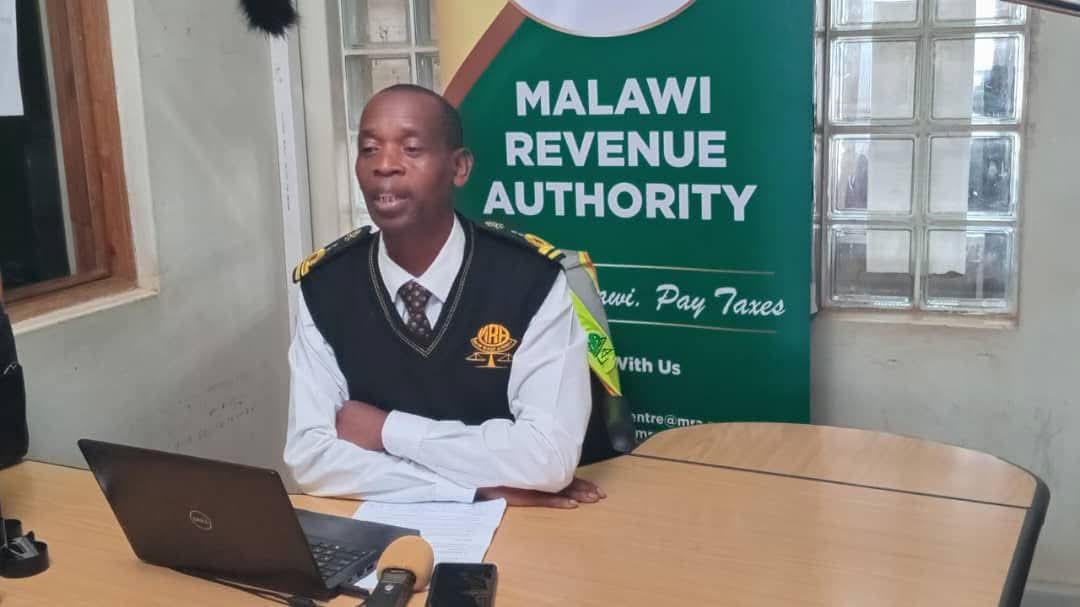
By Our Reporter
The Malawi Revenue Authority (MRA) says a backup power system installed at key revenue stations has become a game-changer, helping to keep operations running during electricity outages while improving revenue collection, trade facilitation and services to traders.
The impact is particularly evident at Liwonde MRA Station in Machinga, which recorded a 37 percent increase in revenue between January and March this year following improvements in operational efficiency linked to the uninterrupted power supply (UPS) system.
The UPS systems were installed in 2021 at Liwonde and Chiponde Border Post in Mangochi through the Southern Africa Trade and Connectivity Project (SATCP), a World Bank-funded initiative aimed at improving trade and connectivity.MRA Investigates 44 Employees Over Corruption
MRA officials say the systems have significantly reduced service interruptions, backlogs and congestion that were previously caused by frequent power outages.
37% Revenue Increase at Liwonde
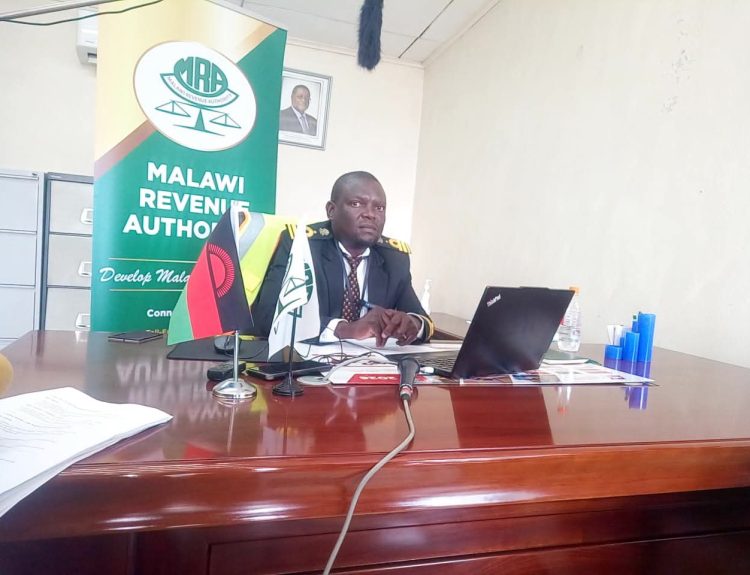
Liwonde MRA Station Manager Mathews Kalima said the UPS system has transformed operations at the station by ensuring that critical services continue even when the national electricity supply is interrupted.
According to Kalima, frequent power outages previously affected operations and created backlogs, forcing officers to deal with accumulated work once power was restored.
The backup system has helped eliminate much of that disruption by allowing the station to continue operating during outages.
The improvement comes at a time when revenue authorities are under increasing pressure to maximise domestic revenue collection and improve efficiency in the administration of taxes and customs.MCP – HRDC holds nationwide MRA shut down demonstrations
Liwonde recorded a 37 percent increase in revenue between January and March this year, highlighting the potential financial impact of reducing operational downtime.
Traders No Longer Want to Be Delayed
The improvement has also been welcomed by traders using the station.
Local trader Ishmael Hamidi said the reliability of the system has made traders more confident when using the MRA station because they are less likely to face delays caused by power interruptions.
Hamidi said traders are now more willing to go through the station knowing that their transactions can continue even when there are electricity problems.
For businesses involved in trade, such interruptions can result in lost time and additional costs, particularly when customs and revenue processes depend on electronic systems.
The reduction in downtime therefore benefits not only MRA but also businesses and individuals who rely on the authority’s services.
Chiponde Border Post Also Records Improvements
At Chiponde Border Post in Mangochi, MRA Team Leader Advice Mshali said the UPS system has similarly improved the delivery of services.
Mshali said the intervention has reduced service downtime during power outages, allowing border users to access services without having to wait for electricity to return.MRA Urges Malawians to Import Smaller Engine Vehicles as Carbon Tax Hikes Take Effect
He said the development has contributed to improved trade facilitation and compliance while helping reduce delays at the border.
Chiponde is an important point for cross-border movement, meaning interruptions to customs systems can have a direct impact on traders and the movement of goods.
With the UPS system providing backup power, critical operations can continue even when the main electricity supply is disrupted.
World Bank Project Delivers Practical Results
The improvements at Liwonde and Chiponde are part of the Southern Africa Trade and Connectivity Project, which is funded by the World Bank.
The project seeks to improve trade corridors and connectivity while reducing barriers that affect the movement of goods and people.
Reliable power is particularly important for modern customs operations because revenue collection and border management increasingly rely on electronic systems.
When electricity is interrupted, these systems can go offline, creating delays, congestion and backlogs.MRA Records Over 500 Tax Evasion Cases at Kamuzu International Airport in 2025
The UPS installations provide an immediate backup, allowing essential systems to remain operational until the main electricity supply is restored.
Less Downtime, Faster Services and More Revenue
The experience at the two MRA stations demonstrates how investment in basic infrastructure can have wider consequences for government revenue and the business environment.
For MRA, uninterrupted operations mean officers can continue processing transactions, collecting revenue and enforcing compliance.
For traders, it means fewer delays and greater predictability when clearing goods or accessing revenue services.
The 37 percent revenue increase recorded at Liwonde between January and March provides an important indication of the potential benefits of reducing operational disruptions.
MRA officials believe the UPS systems have therefore gone beyond simply providing backup electricity, helping to create more reliable revenue collection points and improving the overall experience for taxpayers and traders.
As Malawi continues efforts to strengthen domestic revenue mobilisation and facilitate trade, the developments at Liwonde and Chiponde show the importance of dependable infrastructure in keeping revenue-generating services operational.Malawi Freedom Network Mourns MBC Director General Brian Banda
The MRA says the UPS intervention has proved that ensuring continuity of operations can make a significant difference to service delivery, compliance and government revenue collection.