 Malawi Freedom Network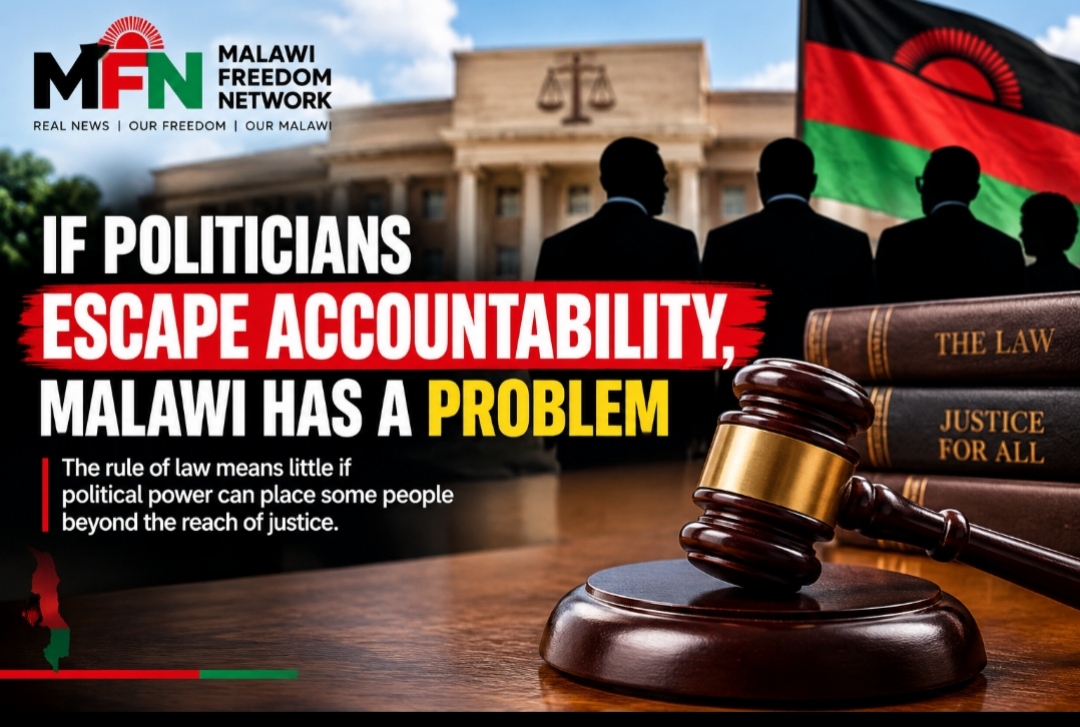
Malawi Freedom Network Reporter
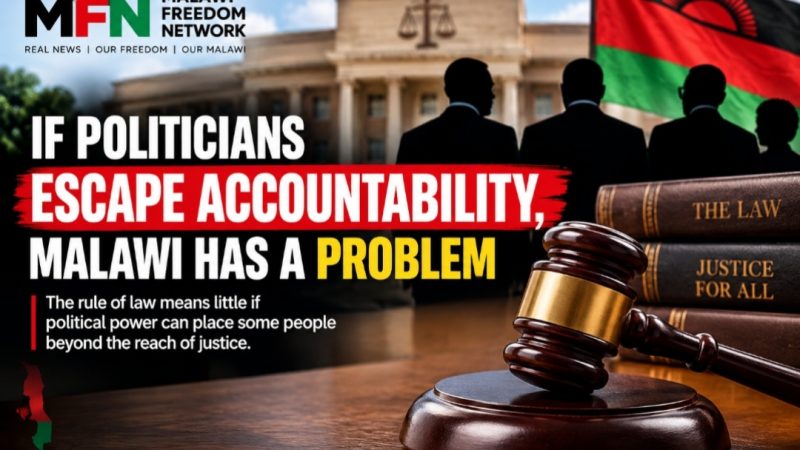
Malawi Freedom Network — The rule of law means little if political power can place some people beyond the reach of justice.
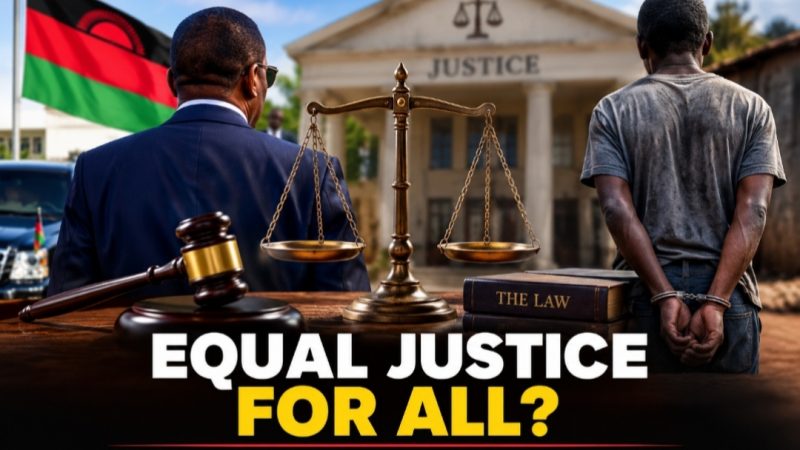
Questions are increasingly being raised over the handling of cases involving politicians accused of wrongdoing, with concerns growing over whether powerful figures are being subjected to the same legal standards as ordinary citizens.
The principle is simple: if there are credible allegations and sufficient grounds for prosecution, politicians should face the same legal process as anyone else.
Failure to do so risks weakening public confidence in the country’s justice system and creating the perception that political influence can provide protection from accountability.
“If politicians are not being brought before the law to answer for the charges against them, know that something is seriously wrong with the country,” critics have argued.
At the same time, allegations must not be confused with guilt. Every accused person has the right to due process and remains innocent until proven guilty by a competent court.
For Malawi, the bigger question is whether the law is being applied consistently—without fear, favour or political connections.
Because when accountability depends on who you are rather than what the law says, public trust is inevitably put at risk.
Read also: SA sent delegation to Zambia to take notes on how they are managing their economy
Read also: Kickboxing and mixed martial arts training launched in Malawi