 Malawi Freedom Network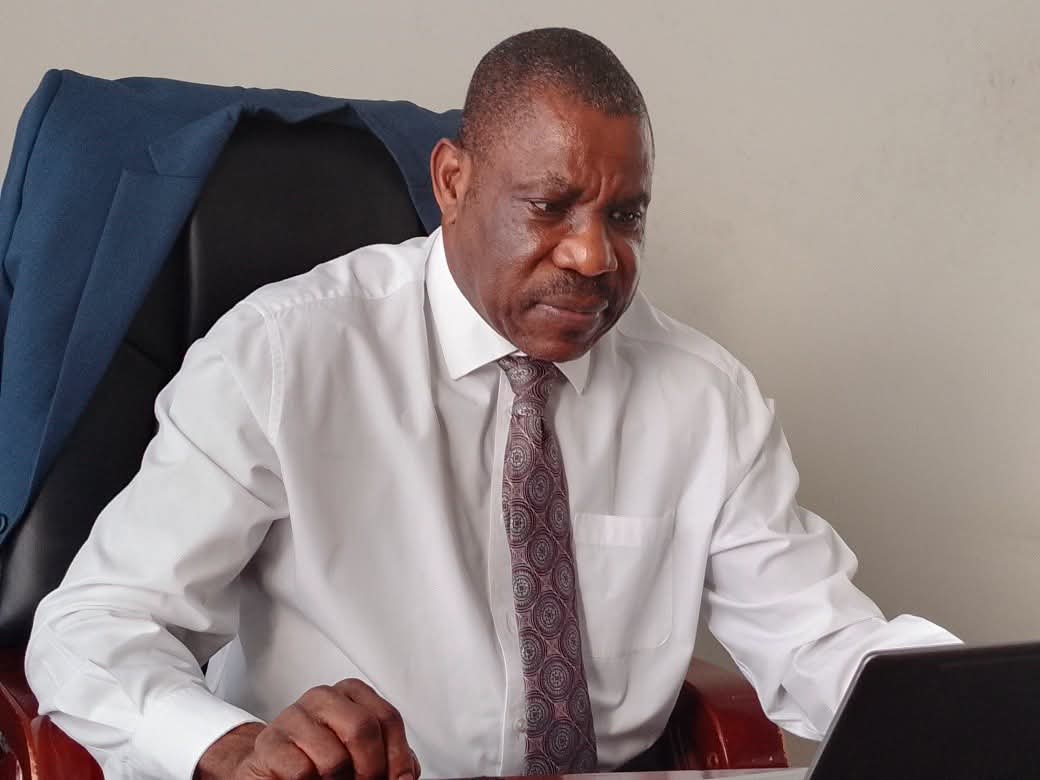
By Suleman Chitera | Malawi Freedom Network
The Consumer Association of Malawi (CAMA) has drawn a firm line against any proposal to further devalue the Malawi Kwacha, warning that another major currency adjustment could push already struggling households and businesses into even deeper economic hardship.
CAMA is calling on the Government, Parliament and the Reserve Bank of Malawi (RBM) to reject any proposal for further Kwacha devaluation as Malawi engages the International Monetary Fund (IMF) over a possible new economic programme.
In a statement released on Wednesday, September 24, 2026, CAMA executive director John Kapito said Malawi certainly needs economic reforms, but argued that weakening the Kwacha should not be treated as the answer to the country’s deeper economic problems.
Kapito said Malawi needs to improve the management and use of its financial resources while finding sustainable ways of increasing the country’s foreign-exchange earnings.
However, he warned that another devaluation could have a direct impact on ordinary Malawians through higher prices for essential goods and services.
The cost of another devaluation
CAMA argues that Malawi’s experience with previous currency adjustments should not be ignored.
The organisation says the Kwacha was devalued by 25 percent in May 2022 and again by 44 percent in November 2023.
The November 2023 exchange-rate adjustment was officially documented by the IMF, which said the RBM moved the selling rate from about K1,180.29 to K1,700 per US dollar with effect from November 9, 2023. The IMF said the adjustment was intended to address a major exchange-rate distortion and facilitate a more market-determined exchange rate.
But for CAMA, the debate cannot stop at exchange-rate policy.
The organisation says currency depreciation feeds into the cost of imported goods, a particularly serious issue for a country that relies heavily on imports for fuel, fertiliser, medicines, machinery and other essential products.
That means the consequences can eventually reach the household budget—from transport and food prices to farming inputs and medicines.
CAMA says another major adjustment would therefore risk increasing pressure on families, farmers, workers and businesses.
CAMA wants production, exports—not another currency shock
Kapito says Malawi should concentrate on fixing the underlying weaknesses that continue to create foreign-exchange shortages.
Among the measures proposed by CAMA are increased domestic production, expansion of exports and stronger systems to ensure foreign currency entering Malawi passes through formal banking channels.
The argument is straightforward: Malawi needs more dollars entering the economy, rather than repeatedly weakening the value of the Kwacha to respond to shortages.
The IMF itself has previously identified foreign-exchange shortages, fiscal pressures, debt problems and macroeconomic imbalances among the challenges facing Malawi. When the IMF approved the country’s 48-month ECF arrangement in November 2023, it said years of unsustainable borrowing and external shocks had contributed to serious economic imbalances.
The IMF programme that did not deliver its full cycle
The controversy comes as Malawi continues to face the difficult task of rebuilding economic stability while engaging international financial institutions.
The IMF approved a four-year Extended Credit Facility arrangement for Malawi in November 2023 worth SDR131.86 million, equivalent to approximately US$175 million at the time.
However, the programme did not complete its scheduled reviews.
The IMF says the arrangement automatically terminated on May 14, 2025, after no programme review had been completed for 18 months. The Fund cited difficulties including fiscal pressures, insufficient revenue mobilisation and failure to achieve macroeconomic stability.
This history makes the current economic discussions particularly important.
For CAMA, any new programme should not simply focus on measures that can stabilise economic indicators while transferring the immediate cost to ordinary citizens.
A difficult choice for Malawi
The Kwacha debate goes beyond numbers on a foreign-exchange board.
For an ordinary Malawian, a weaker currency can mean higher costs for imported fuel, farm inputs, medicines, spare parts and machinery. For businesses, it can increase operating costs. For farmers, higher fertiliser and fuel prices can make production more expensive.
At the same time, Malawi cannot ignore its chronic foreign-exchange shortages and wider balance-of-payments problems.
The challenge, therefore, is how to restore foreign-exchange availability and economic stability without creating another wave of hardship for citizens.
CAMA’s position is that Malawi should pursue deeper structural reforms—boosting production, increasing exports, improving public financial management and strengthening the formal foreign-exchange system—rather than relying primarily on another sharp fall in the value of the Kwacha.
The organisation is now putting the Government, Parliament and RBM on notice: any decision affecting the value of the national currency must be judged not only by its potential to satisfy economic programme requirements, but also by its consequences for the millions of Malawians who ultimately pay the price through higher living costs.
Read also: Speaker of National Assembly questions DPP MP Sameer Suleman’s visit to SFFRFM